
Agoma trimenii
Agoma trimenii
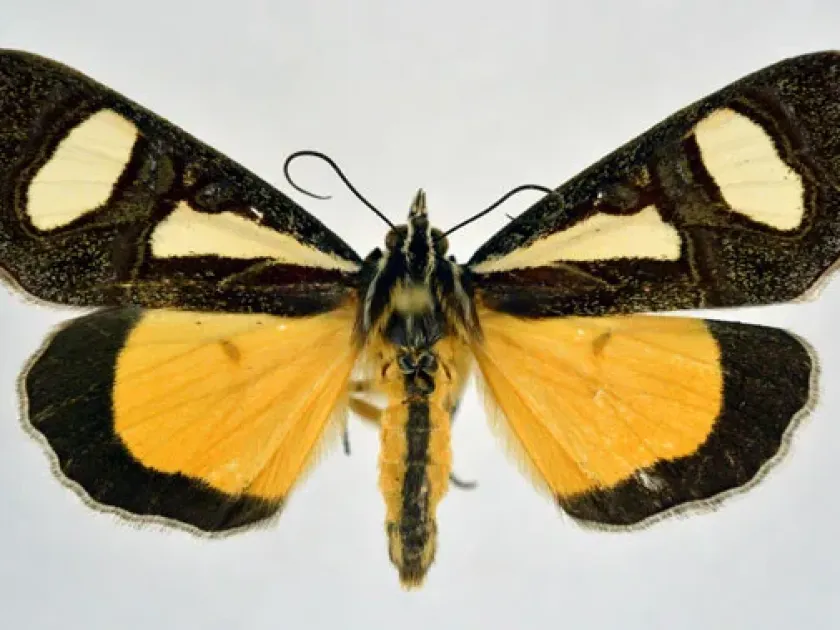
Description
How to identify
Agoma trimenii is a species of moth belonging to the Noctuidae family, characterized by specific morphological features. Adult individuals typically have a wingspan of 40–50 mm, with patterns that allow them to blend into bark or leaf litter, making them difficult to spot during the day.
The larvae (caterpillars) of this species undergo several developmental stages, often changing color and patterning as they mature. Their bodies are frequently covered in hair or possess bright warning colors, which is a common trait among many Noctuidae species feeding on woody vegetation.
Systematically, this pest is classified within the order Lepidoptera and the family Noctuidae. Detailed analysis of genital structures and wing patterns allows entomologists to accurately distinguish this species from other closely related taxa prevalent in the African region.
The insect's life cycle is closely linked to local climate patterns. Embryonic development occurs in eggs, which the female typically deposits on the underside of host plant leaves to provide protection and immediate food access for emerging larvae.
For agricultural monitoring, it is essential to note that adults are most active during twilight and nighttime. Therefore, visual inspections or the use of light traps are recommended to assess population density in infested areas.
What it damages
The primary damage is caused by the caterpillars, which are highly voracious and capable of defoliating entire host plants in a short period. This extensive feeding disrupts the plant's photosynthetic capacity and weakens its overall systemic health.
In its natural habitat, the pest primarily targets plants of the Salvadoraceae family, particularly species within the Salvadora genus. Agricultural risks increase significantly when these host plants are found in or near crop plantations.
Feeding damage typically begins at the leaf margins and progresses across the entire leaf surface, often leaving only the rigid, tough vascular veins intact. Heavy infestations can lead to total defoliation of bushes, severely impacting plant vigor and harvest yields.
Beyond direct tissue consumption, damaged foliage creates entry points for secondary pathogens, including various fungal and bacterial infections that thrive in the open wounds left by the insect's feeding activity.
Severe damage is particularly dangerous in nurseries and young plantations, where the loss of foliage during critical growth phases may result in the death of saplings due to their inability to store sufficient energy reserves.
Signs of infestation
A primary indicator of Agoma trimenii presence is the accumulation of frass (excrement) on leaf surfaces located directly below feeding sites. The granular shape of the droppings is a distinct marker for early diagnostic identification.
Characteristic symptoms include "skeletonized" leaves, where soft tissue has been consumed, leaving only the primary vascular veins. This pattern is indicative of the late-stage larval feeding, which accounts for the largest volume of foliage destruction.
Observing the caterpillars themselves, particularly on the undersides of leaves during early morning hours, provides definitive proof of an active infestation. They often display defensive behaviors, such as curling into a ring when disturbed.
The webbing or curling of young shoots, used by caterpillars to create sheltered environments or protect themselves from predators, serves as an additional visual alert for field technicians and agronomists.
Premature leaf drop and the drying of apical shoots are indirect signs of severe infestation intensity, necessitating an immediate and thorough inspection of the affected plantation blocks.
Control measures
Biological control is the preferred management strategy, utilizing products based on Bacillus thuringiensis, which target young larvae effectively while maintaining safety for beneficial insect populations and the surrounding environment.
Manual removal of caterpillars is a practical, low-cost solution for small-scale operations or home gardens. This simple physical intervention is highly effective at suppressing local populations when outbreak spots are identified early.
In cases of large-scale outbreaks, the application of systemic insecticides with contact and stomach action may be required. It is vital to adhere to strictly regulated application windows and pre-harvest intervals to protect pollinators and minimize toxic residues.
Integrated pest management includes the regular removal of weeds belonging to the Salvadoraceae family in the vicinity of crops, as these serve as vital reservoirs for the pest throughout the growing season.
The use of pheromone traps for monitoring allows agronomists to determine the exact peak of adult moth flights, enabling the optimization of chemical or biological treatments and significantly reducing unnecessary chemical inputs.
Taxonomy
- Latin name
- Agoma trimenii
- Order
- Lepidoptera (butterflies)
- Family
- Noctuidae
- EPPO code
- AGOMTR
Discussion
No discussions yet — be the first.