
Agoma
Agoma
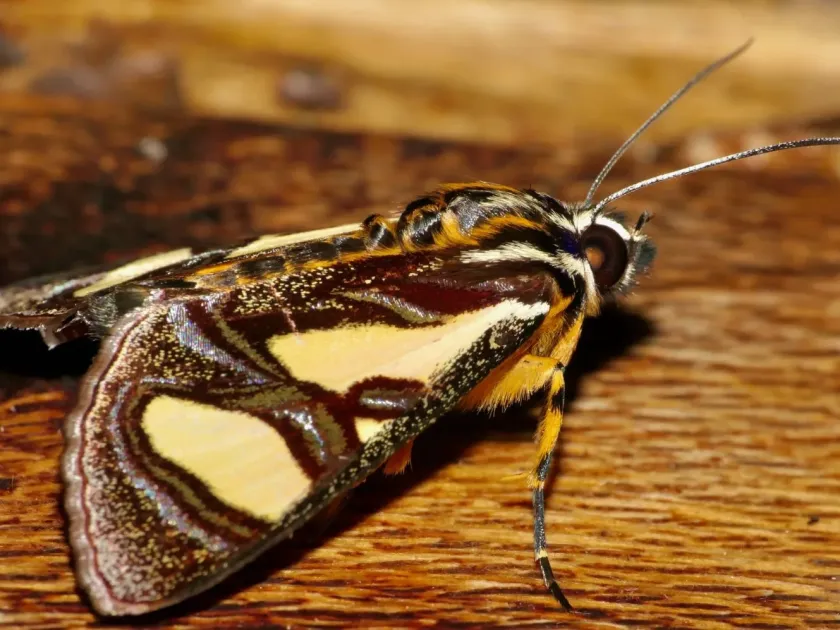
Description
How to identify
Agoma is a genus of insects belonging to the family Noctuidae, order Lepidoptera. These moths possess standard morphological traits of the family, including functional proboscis and specialized wing venation patterns adapted for nocturnal flight.
Adult moths of the Agoma genus are predominantly nocturnal. They often exhibit cryptic coloration, which provides excellent camouflage against tree bark, soil, or leaf litter, making them very difficult to spot during daylight hours.
The larval stage, or caterpillar, is the most destructive phase in the insect's life cycle. Caterpillars typically go through several instars, increasing significantly in size and requiring large amounts of plant tissue to sustain their rapid growth.
Eggs are usually deposited in clusters on the underside of leaves or on woody stems. The female secretes a protective substance over the clutch, which serves as a shield against desiccation and environmental temperature fluctuations.
Pupation generally occurs either in the soil or within sheltered areas like bark crevices. During this stage, the insect undergoes a complete metamorphosis, protected by a silken cocoon that ensures its survival through unfavorable environmental conditions.
What it damages
This pest affects a wide range of woody plants and various agricultural crops. In areas with high population density, Agoma can cause severe defoliation, which negatively impacts the overall vigor and yield potential of the plants.
The primary damage is caused by the caterpillars' chewing mouthparts. They consume leaf tissue, often starting from the edges or creating irregular holes, which eventually leads to complete skeletonization of the foliage if left uncontrolled.
Beyond leaf consumption, heavy infestations may result in the destruction of developing buds and young shoots. This hinders the plant's ability to produce new growth and can permanently stunt the development of affected branches.
The resulting wounds serve as entry points for various phytopathogens, including fungi and bacteria. Consequently, plant health declines not only due to direct feeding but also due to secondary infections that exploit the stressed plant tissues.
Economic damage is reflected in reduced harvests, lower quality of produce, and the increased costs associated with implementing necessary control measures to protect the crops from further loss.
When it appears
The seasonal appearance of Agoma is closely linked to local climate conditions and the phenological development of host plants. Their activity levels generally peak during warm, humid periods when plant growth is most vigorous.
Adult moths become active during the night, with flight periods occurring throughout the warmer months. This phase is critical for mating and egg deposition, signaling the start of the next generation.
The duration of each generation depends heavily on ambient temperature. Warmer climates may support multiple generations within a single season, significantly increasing the pressure on local agricultural and horticultural systems.
Effective monitoring must align with the emergence of larvae. Detecting the small caterpillars of early instars is crucial for timely intervention, as they are often more susceptible to biological control agents and pesticides.
Understanding the seasonal progression allows agronomists to predict the peak damage periods. This knowledge is essential for optimizing the timing of applications to ensure maximum efficacy of crop protection programs.
Signs of infestation
The presence of Agoma is often first signaled by visible changes in the canopy. The accumulation of frass (caterpillar excrement) on leaves or the ground beneath the plant is a reliable indicator of active feeding activity above.
Irregular patterns of missing leaf tissue are classic signs of feeding. In advanced stages of infestation, leaves may appear shredded or skeletonized, with only the harder leaf veins remaining intact.
Some larvae exhibit behavioral traits such as silk spinning, which they use to bind leaves together. These leaf nests provide shelter and are easily observable during regular field inspections of the foliage.
General signs of plant distress, such as wilting of terminal shoots or yellowing of leaves, may indicate that the plant is suffering from chronic damage. A thorough inspection of the underside of leaves will often reveal the presence of egg masses.
- Accumulation of frass on lower leaves.
- Irregular feeding holes or leaf edges.
- Presence of leaf-tying or silken webbing.
- Visible egg clusters on the underside of foliage.
Control measures
Successful management of Agoma requires an Integrated Pest Management (IPM) approach. This combines mechanical, biological, and chemical methods to suppress populations while minimizing the impact on the environment.
Mechanical control focuses on the removal of heavily infested branches and the sanitation of plant debris where pupae may overwinter. Keeping orchards and fields clean is a vital step in reducing the population base for the next season.
Biological controls utilize natural enemies, such as parasitic wasps or predatory insects, to suppress larval populations. Biopesticides based on specific bacteria or viruses are also effective tools that target the pest while sparing beneficial pollinators.
Chemical control is applied when monitoring data indicates that the population has exceeded the economic threshold. It is essential to use selective insecticides and rotate chemical modes of action to prevent the development of pesticide resistance.
Regular scouting and accurate recording of pest activity are the cornerstones of an effective control program. By timing interventions correctly, farmers can achieve high protection levels while maintaining sustainable farming practices.
Taxonomy
- Latin name
- Agoma
- Order
- Lepidoptera (butterflies)
- Family
- Noctuidae
- EPPO code
- AGOMSP
Discussion
No discussions yet — be the first.