
Acontia selenaria
Acontia selenaria
Description
How to identify
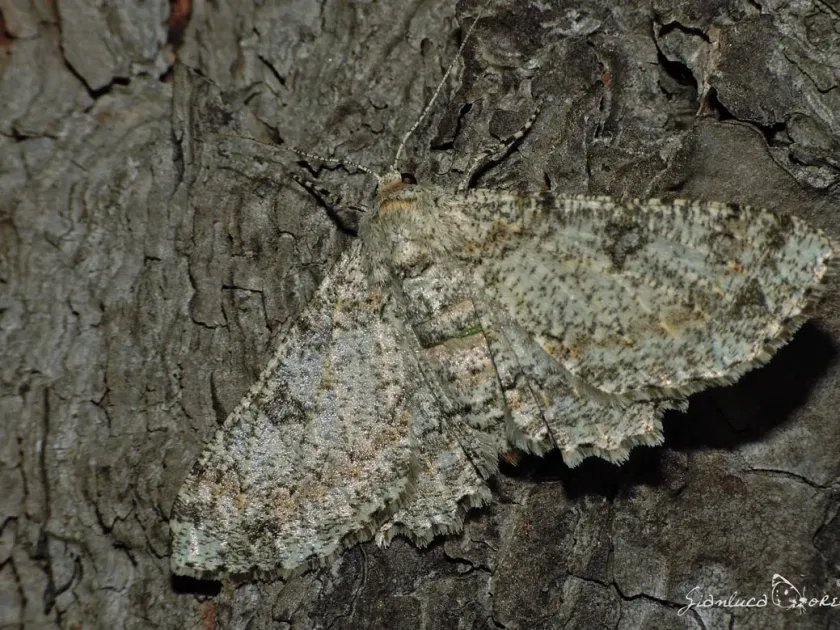
Acontia selenaria is a species of moth belonging to the family Erebidae. The adult moth features a distinct wing pattern that resembles a lunar crescent, which is the primary characteristic used by agronomists and entomologists for field identification.
The larvae, or caterpillars, are typically well-camouflaged, matching the color of their host plants' leaves. This adaptation provides them with significant protection against visual predators and makes detection during field inspections more challenging.
The life cycle encompasses four distinct stages: egg, larva, pupa, and adult. The pupal stage is the most critical for overwintering, occurring within the soil or debris, which allows the species to survive low temperatures and emerge the following season.
Adult moths are primarily nocturnal, displaying peak activity during dusk and nighttime hours. This behavior dictates the timing of monitoring efforts, which are often supplemented by using light or pheromone traps to track population density.
Environmental conditions play a major role in population dynamics. Warm and dry seasons generally facilitate faster development and higher survival rates of generations, potentially leading to outbreaks in vulnerable crop fields.
What it damages
Acontia selenaria primarily targets plants within the Malvaceae family, with cotton being the most economically significant host. The larvae cause damage by feeding on foliage, which directly impacts the plant's photosynthetic capacity.
Beyond leaf consumption, high larval populations may also attack reproductive structures such as flower buds and fruit. This results in premature shedding of squares and bolls, leading to direct yield losses.
The mechanical damage inflicted by the larvae creates entry points for secondary infections, including various fungal and bacterial pathogens. This often exacerbates the overall damage to the crop, making it look sickly or stunted.
Young plants are particularly vulnerable; severe defoliation during the early growth stages can significantly delay development and, in extreme cases, lead to the complete destruction of individual plants.
Yield reduction is the primary economic concern. Monitoring larval presence is essential to evaluate the risk and determine if the infestation levels exceed the established economic threshold for treatment.
Signs of infestation
Early symptoms of an Acontia selenaria infestation include small, irregular holes in the leaf surface. As the larvae mature, these holes expand, often leaving the main leaf veins intact while consuming the soft tissue.
The presence of larval frass on the leaves or stems serves as a reliable field indicator. These deposits are often visible before the larvae themselves are detected, signaling the need for more detailed scouting.
A careful inspection of the lower leaf surfaces is recommended, as the larvae prefer to stay protected from direct sunlight. Curled or deformed leaves can also be a sign of feeding activity occurring within the canopy.
Plants affected by a significant outbreak may exhibit reduced vigor and premature leaf drop. The overall appearance of the field may become ragged, with uneven plant growth patterns across the affected area.
Scouting should focus on field margins and areas with known histories of infestation, as these locations often harbor the first signs of larval activity in the spring.
Control measures
Cultural control practices, such as deep plowing after harvest, are highly effective in disrupting the pupal stage. By burying the pupae at depth, growers can significantly reduce the adult emergence rate for the following season.
Weed management is a crucial preventive strategy. Removing Malvaceae weeds from around fields and irrigation channels eliminates alternative food sources, limiting the population that can transition to the main crop.
Biological control agents, including parasitic wasps such as Trichogramma species, can be released to target moth eggs. Additionally, microbial insecticides based on Bacillus thuringiensis provide an environmentally friendly alternative to chemicals.
Chemical control should be implemented only when scouting confirms that pest populations exceed the economic threshold. Rotating insecticides with different modes of action is vital to prevent the development of resistant populations.
Regular field monitoring, combined with the use of pheromone traps, ensures that control measures are applied at the most vulnerable stage of the pest's development, thereby maximizing the efficacy of the chosen intervention.
Taxonomy
- Latin name
- Acontia selenaria
- Order
- Lepidoptera (butterflies)
- Family
- Noctuidae
- EPPO code
- ACONSE
Discussion
No discussions yet — be the first.