
Acontia
Acontia
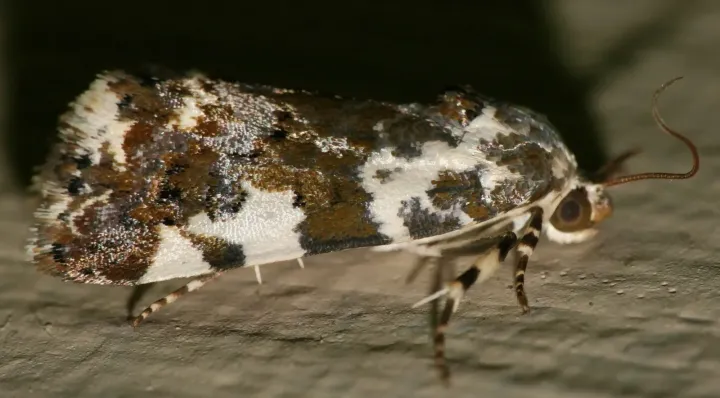
Description
How to identify
Acontia is a genus of moths belonging to the family Erebidae, formerly classified within the Noctuidae family. These insects are recognized by their distinct wing patterns, which often provide excellent camouflage against foliage.
The adult moths possess a stout body covered in dense hairs and a well-developed proboscis. Depending on the specific species within the genus, the wingspan typically ranges between 20 and 35 millimeters.
The larvae, or caterpillars, are characterized by a cylindrical body and a distinct head capsule. They often exhibit green or mottled color patterns that match the host plants, making them difficult to detect during daylight hours.
The life cycle of Acontia follows a complete metamorphosis: egg, larva, pupa, and adult. Most species produce multiple generations per year, leading to overlapping developmental stages during the growing season.
Overwintering usually occurs in the pupal stage. The pupae remain protected in the upper soil layers or within plant debris, allowing them to survive winter temperatures and emerge as adults in the spring.
##damage##The genus Acontia is primarily known to infest plants within the Malvaceae family, including cotton. Their host range is often dictated by the availability of these specific plants in the surrounding environment.
The primary damage is caused by the larvae, which have strong chewing mouthparts. They consume the leaves, often starting by creating small holes or windows and eventually leading to complete defoliation.
High levels of infestation can significantly impact crop vitality. By consuming leaf tissue, the larvae reduce the plant's photosynthetic capacity, which directly results in diminished growth and lower yield quality.
In addition to foliage damage, larvae may feed on young buds and fruits. This direct attack on reproductive organs can lead to fruit abortion and substantial financial losses for commercial growers.
Weakened plants are not only less productive but are also more susceptible to secondary stressors, including opportunistic pathogens and environmental fluctuations that further hinder crop development.
Signs of infestation
The most immediate indicator of an Acontia infestation is the presence of irregular holes in the foliage. Early-stage larvae often leave the leaf veins intact, creating a skeletonized appearance.
The presence of frass, or larval excrement, on the soil or lower leaves provides clear evidence of ongoing feeding activity. These dark pellets are easily identified during routine field inspections.
Adult females deposit eggs on the underside of leaves. Finding these eggs, which are often laid singly or in small clusters, is a key diagnostic step in predicting future larval emergence.
As the larval population increases, significant leaf loss becomes apparent. The plants may appear stunted, and the development of new shoots is often stunted or deformed due to the loss of nutrients.
In severe cases, plants may show signs of premature wilting. This is often the result of the plant's inability to maintain physiological functions due to massive foliage consumption by the caterpillar population.
Control measures
Cultural control practices, such as deep plowing in the autumn, are essential for managing Acontia. This process disrupts the pupation sites in the soil, exposing pupae to harsh weather and natural predators.
Effective weed management is crucial for minimizing host plant availability. By eliminating wild Malvaceae species near the fields, farmers can prevent the initial build-up of the pest population.
Biological control using microbial insecticides, such as products containing Bacillus thuringiensis, offers an effective way to manage larvae while preserving the natural balance of beneficial insects.
Chemical intervention should be reserved for scenarios where pest numbers exceed the economic threshold. Applying targeted, selective insecticides helps minimize the impact on pollinators and beneficial arthropods.
- Implementing rigorous crop rotation strategies.
- Utilizing pheromone traps for monitoring moth population dynamics.
- Removing crop residues immediately after harvest to reduce overwintering sites.
- Encouraging natural biological enemies in the agroecosystem.
Taxonomy
- Latin name
- Acontia
- Order
- Lepidoptera (butterflies)
- Family
- Noctuidae
- EPPO code
- ACONSP
Discussion
No discussions yet — be the first.