
Acanthoplusia
Acanthoplusia
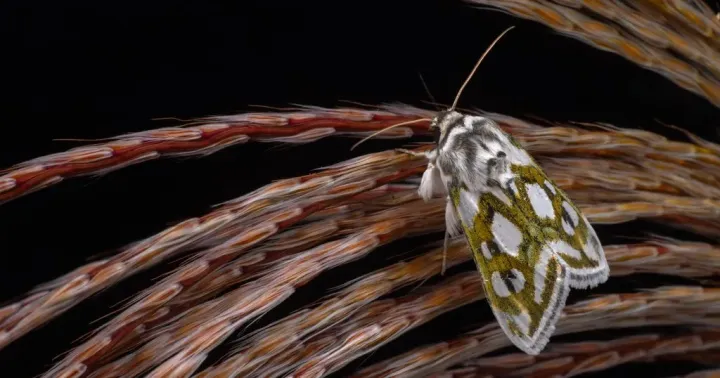
Description
How to identify
Acanthoplusia is a genus of moths belonging to the family Noctuidae within the order Lepidoptera. These moths are typically nocturnal, featuring cryptic coloration that allows them to blend perfectly with plant stems and debris.
The primary concern for agronomists is the larval stage, characterized by a well-developed chewing mouthpart designed for rapid consumption of plant tissues.
Larvae often exhibit distinct bristles or appendages on their bodies, which are characteristic of this genus and play a role in their identification process.
The life cycle involves complete metamorphosis, progressing through egg, larval, pupal, and adult stages. Understanding this transition is essential for timing intervention strategies.
Adult moths are capable fliers, which facilitates their movement across vast agricultural landscapes, making them difficult to localize without systematic monitoring.
What it damages
This pest is known to affect a variety of crops, including oilseeds, legumes, and several vegetable species, causing significant economic losses.
Larvae feed primarily on foliage, rapidly skeletonizing leaves and significantly reducing the plant's capacity for photosynthesis, which stunts growth.
Under heavy infestations, caterpillars can strip entire leaves, severely compromising the plant’s health and reducing the overall vigor of the crop stand.
Damage to developing reproductive parts, such as buds or flowers, is particularly harmful, as it directly impacts final yields and product marketability.
Secondary infections often follow pest damage, as the chewed leaf tissue becomes vulnerable to pathogens that further weaken the host plant.
When it appears
The pest is most active during the warmer months of the year, with peak populations frequently observed during the middle of the growing season.
Environmental factors, such as moderate temperatures and consistent humidity, provide ideal conditions for rapid larval development and multiple generations per year.
Monitoring should intensify during the active flowering and fruit-setting stages of the crop, as this is when the plants are most susceptible to pest pressure.
By late summer and early autumn, the pest enters the pupal stage, often overwintering in the soil, which marks the end of the immediate field threat.
The appearance of multiple overlapping generations can lead to a prolonged period of pest presence, necessitating extended surveillance and control efforts.
Signs of infestation
The most visible sign of an infestation is the presence of irregular, ragged-edged holes appearing across the leaves of the host plants.
Dark, granular frass (insect waste) found on the foliage or near the base of the plant indicates the presence of actively feeding larvae.
In some cases, the presence of silken webbing or leaf rolling suggests where the larvae are hiding during the daytime to avoid heat and predators.
Infested plants may exhibit slowed growth or wilting, and in severe cases, significant portions of the foliage may appear stripped, leaving only the primary veins.
Direct inspection of the undersides of leaves, especially in the early morning or evening hours, often reveals the presence of larvae or early signs of grazing.
Control measures
Implementing a robust crop rotation schedule is a primary cultural practice that helps break the pest life cycle and reduces soil-borne pupal populations.
Deep plowing or mechanical cultivation after harvest serves to disrupt pupation sites in the soil, significantly lowering the potential overwintering population.
Biological control, such as the use of specific Bacillus thuringiensis strains or natural enemies, provides a targeted and sustainable approach to managing larval numbers.
Chemical control measures should be initiated only when monitoring confirms that population levels have exceeded the economic threshold for the specific crop.
Integrated Pest Management (IPM) practices, including the use of pheromone traps, are essential for determining the precise timing for insecticide application to maximize efficiency.
Discussion
No discussions yet — be the first.