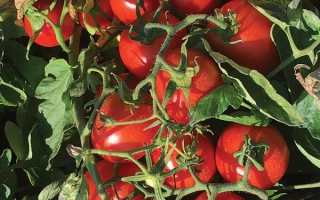
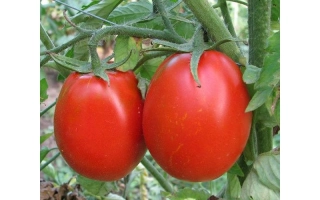
Tomato Yellow River F1 is an early-maturing determinate hybrid, distinguished by its uniform fruit ripening, occurring approximately 63–105 days after sowing, depending on growing conditions. The plants are low-growing and do not require staking, simplifying plant care. The plant is resistant to temperature fluctuations and various diseases, and is also not demanding in terms of soil type, making it suitable for cultivation in open ground on sunny areas with loose, nutrient-rich soil.
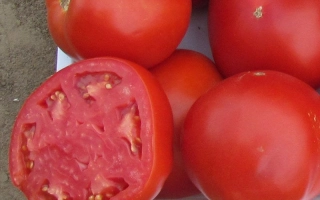
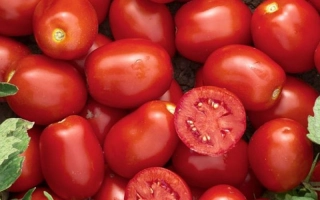
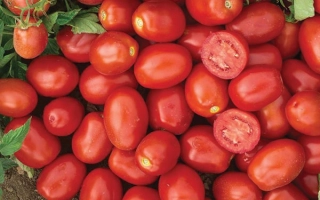
The fruits of tomato Yellow River have an attractive lemon-yellow color and a elongated-oval, plum-like shape. The weight of one fruit ranges from 60 to 100 grams, with flesh that is juicy and sweet. Due to their commercial qualities, the fruits retain their appearance well in the field and during transport without loss of quality. Yellow tomatoes of this variety are considered less allergenic and lower in calories compared to red varieties, making them especially beneficial for individuals with high stomach acidity.
Tomato Yellow River is widely used fresh, in salads, for making juices, sauces, and pasta, as well as suitable for whole-fruit canning. For successful cultivation, it is recommended to sow seeds in February, followed by transplanting seedlings into open ground in April–May, when the plants have formed 5–6 true leaves. At planting, maintain a spacing of about 50 cm between plants and regularly pinch off suckers to promote healthy and productive growth.