


Reference · Nutrition and composition
Biostimulants
Biostimulants are a diverse group of substances or microorganisms that, when applied to plants or the rhizosphere, enhance nutritional efficiency and abiotic stress tolerance.
7
items
What the section contains
Marketplace
Products in this section · 12


Fertigrain Start
AgriTecno Fertilizantes SL, Spain
Fertilizers
0
0
·
1.2K
6 offers
22.53 €per 1 kg
Buy


STIMAX
ТОВ «КВІМІКАС МЕРІСТЕМ» (QUÍMICAS MERISTEM, S.L.), Іспанія
Fertilizers
0
0
·
191
10 offers
20.66 €per 1 kg
Buy

Katalyst Plus
IMSK IMPORT EXPORT AND LOGISTICS, LLC
Fertilizers
0
0
·
118
3 offers
7.67 €per 1 kg
Buy

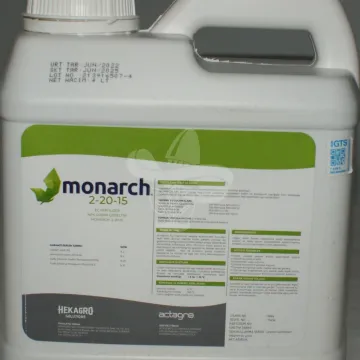
Monarch 2-20-15
IMSK IMPORT EXPORT AND LOGISTICS, LLC
Fertilizers
0
0
·
104
2 offers
6.35 €per 1 kg
Buy


Biostimulants
Unlike conventional fertilizers, these products do not provide nutrients directly but act as activators of plant physiological and metabolic processes.
Key categories of biostimulants include humic and fulvic acids, protein hydrolysates (amino acids), botanical extracts, and specific beneficial microbes.
They work by modulating plant gene expression, improving root architecture, and increasing the uptake and translocation of essential soil nutrients.
By optimizing these biological pathways, biostimulants help crops maintain productivity even under suboptimal growing conditions.
The primary target is mitigating the negative impacts of abiotic stressors such as drought, salinity, and extreme temperature fluctuations.
These substances are vital for improving germination rates and establishing strong, healthy root systems early in the plant life cycle.
Biostimulants are also used to enhance post-harvest quality and sensory attributes of crops, including nutritional value and shelf life.
They play a crucial role in crop recovery following chemical stress induced by the application of herbicides or fungicides.
Furthermore, they help plants overcome transplant shock and physical damage caused by adverse weather events.
The timing of application is critical and should be aligned with key phenological growth stages or expected environmental pressure.
Specific application rates must be strictly followed according to the manufacturer’s labels to ensure efficacy and avoid toxicity.
Methods of application include seed treatment, foliar spraying, and injection into irrigation systems (fertigation).
Regular monitoring of plant physiological status helps determine the necessity and frequency of subsequent applications.
- Seed coating for early vigor.
- Foliar application during peak growth phases.
- Drip irrigation delivery for consistent uptake.
Biostimulants are not a substitute for fertilizers; they should be viewed as a complementary tool in an integrated plant nutrition program.
Over-application can lead to physiological imbalances, where the plant redirects energy away from reproductive growth to excessive vegetative growth.
They should not be used on plants suffering from severe biotic stress (diseases or pests) unless the underlying cause is addressed first.
Care must be taken when mixing biostimulants with other agricultural chemicals to ensure chemical compatibility and avoid phytotoxicity.
Product stability can be affected by improper storage conditions, such as exposure to direct sunlight or extreme temperatures.