
Why Australian tea tree oil could be banned in Europe
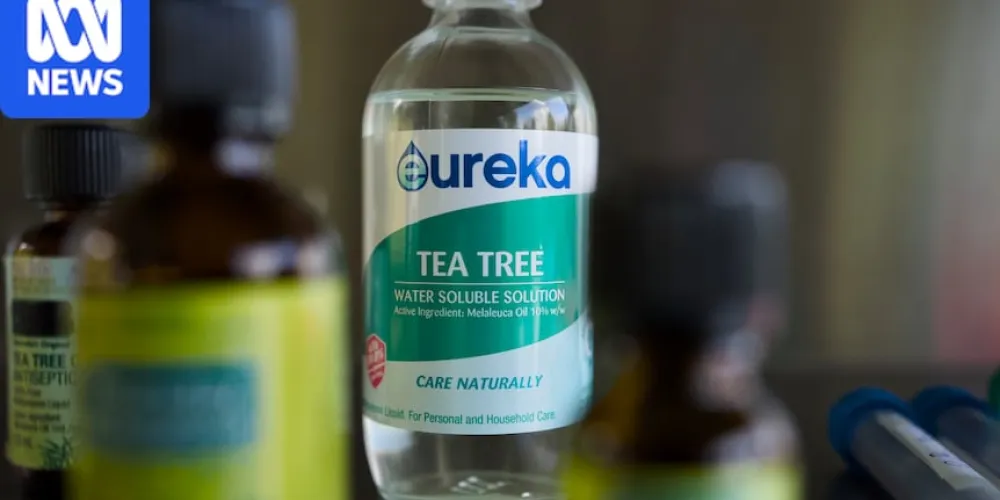
Australia's tea tree oil industry is facing a high-stakes regulatory challenge as the European Union considers legislation that would reclassify the essential oil as a Category 1B reproductive toxin. The EU suspects the product could interfere with fertility. Industry representatives say that if the reclassification goes ahead, tea tree oil would effectively lose its commercial viability in Europe.
The stakes are substantial because Europe is not a marginal outlet. The industry says the EU accounts for roughly 30% of Australian tea tree oil exports, while about 90% of total production is sold overseas. For growers in northern New South Wales and south-eastern Queensland, where tea tree farming has supported families for generations, the industry says such a move would directly threaten regional livelihoods and export revenue.
The regulatory pressure followed a study that assessed tea tree oil for use as an agricultural pesticide by force-feeding rats large quantities of the oil. Dee-Ann Seccombe, chief executive of DownUnder Enterprises and a third-generation producer, said the industry strongly disputes the relevance of that methodology because tea tree oil is intended for topical use rather than ingestion. She also argued that tea tree oil is among the most extensively researched essential oils, with wide use in acne products, wound care, medicinal applications, household cleaning and pet care.
The Australian Tea Tree Industry Association, or ATTIA, says the EU is prioritising hazard over risk. Tim Valentiner, who is leading ATTIA's response globally, said the European approach is materially different from the framework used in major markets such as the United States. He warned that the resulting label requirements in the EU would be so severe that consumers would simply stop buying the product, regardless of how it is actually used.
Industry concern extends beyond the immediate loss of European shelf space. Seccombe said that if the legislation passes, tea tree oil would have to be removed from EU markets within 18 months. She also warned of a broader domino effect, with other countries potentially using the EU decision as a signal that the product is unsafe. For an industry that exports most of its output, that kind of spillover would be far more damaging than a single-market loss.
To counter that risk, the industry is now pushing for more targeted scientific evidence focused on normal human use. Valentiner said studies based on regular dermal exposure and real product applications could help create a new dossier for submission through an EU member state and support a more appropriate reclassification. For now, however, the timing of any EU decision remains unknown, leaving producers to manage both commercial uncertainty and the emotional strain of defending one of Australia's established essential-oil export sectors.
Not yet comments. Be the first!
Comments