
Tiryaki Syria and Syrian Sovereign Fund launch agricultural processing cooperation
Tiryaki Syria and the Syrian Sovereign Fund say a new cooperation plan will build processing capacity for soybeans and sunflower seeds and support food security and local employment.
Tiryaki Syria, which operates under Tiryaki Anadolu, and the Syrian Sovereign Fund announced a strategic cooperation agreement aimed at strengthening Syria's agricultural processing industry and supporting food security. The arrangement was disclosed in a June 12 company announcement distributed by PR Newswire.
According to the release, the planned facility is expected to become a key industrial hub for Syria's edible oil, food, feed, poultry and livestock sectors. Under the cooperation framework, the site is designed to process about 300,000 tonnes of soybeans and 100,000 tonnes of sunflower seeds per year, with an estimated annual product processing value of around 500 million dollars.
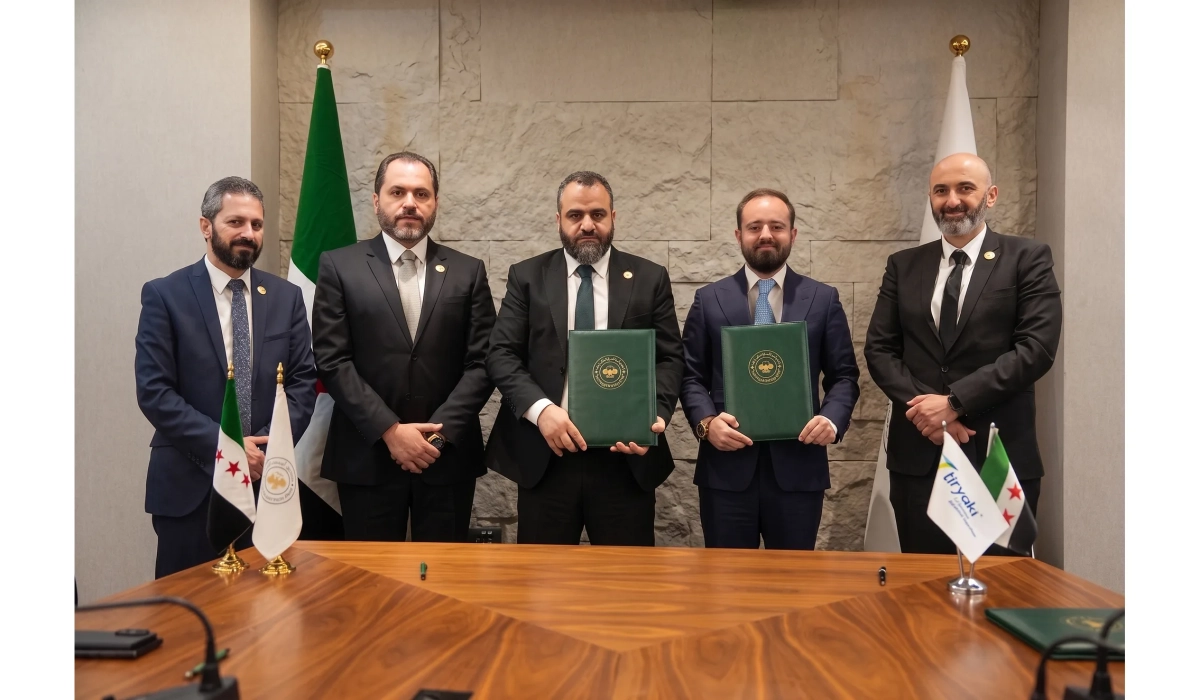
The partners said the production capacity should help reinforce Syria's food security, expand domestic agricultural production and support integrated value chains. Tiryaki Agro said it would contribute technical expertise and operational know-how built over more than 60 years in logistics, sourcing, operations management and agricultural value chain development.
Human capital development is presented as a central part of the project. Syrian nationals are expected to account for at least 75 percent of the workforce, including technical and managerial roles. Tiryaki said it would run structured training and capacity-building programs so local professionals can eventually operate, manage and commercialize the facility's output on their own.
The agreement covers a 10-year operating period. In the same release, Tiryaki Agro said it currently runs 30 production, processing and storage facilities across 11 locations on four continents, sources agricultural products from 40 countries and delivers about 6 million tons of products annually to customers in 50 countries. That background suggests the Syrian project is being positioned as both an industrial investment and a transfer of operational capability.