
Sudanese farmers face a new supply shock ahead of planting season
Rising fuel and fertilizer costs linked to the Middle East conflict are adding fresh pressure to Sudanese farms already weakened by war and hunger.
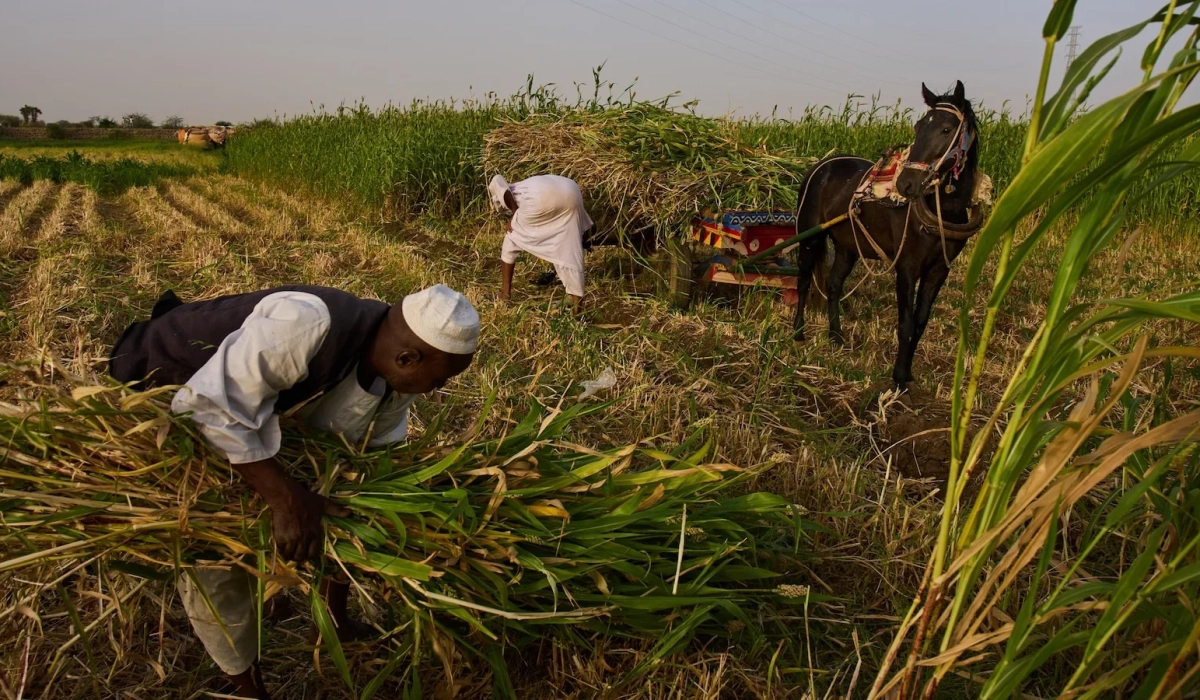
Sudanese farmers are entering the next planting season under severe new cost pressure after the conflict in the Middle East disrupted supply chains for fuel and fertilizer. The added burden comes on top of three years of war inside Sudan, where millions of people were already struggling with hunger and farm production had been badly damaged.
One farmer, Omer al-Hassan, returned to his land two years after being forced away by the war and is now trying to rebuild. But he told the Associated Press that the new cost surge is pushing his farm back toward loss and insecurity. He and the 10 workers on his land grow onions, potatoes and tomatoes, yet they now say they cannot manage agricultural costs without government support. Another farmer, Mohammed al-Badri, said he could only afford to plant half of his farm.
The problem is tied directly to import dependence and transport disruption. Countries in the Gulf supply more than half of Sudan's fertilizer imported by sea, while fuel prices have jumped by around 30 per cent. Farmer Abdoun Berqawi from Gezira, one of Sudan's main food-producing areas, said a 50-kilogram bag of urea now costs about US$50, compared with US$11 in the same period last year. Tractor fuel, he said, has risen from US$2.50 to US$8 per gallon.
That leaves key Sudanese crops at risk, including sorghum, millet and sesame. Farmers said they are cutting planted area or considering not planting at all because fertilizer, gasoline for equipment and diesel for irrigation pumps have become too expensive. Some are switching to cheaper crops that need less fertilizer, while borrowers who financed production with bank loans face the risk of jail if weak harvests leave them unable to repay.
The wider food security picture is also worsening. The UN World Food Programme estimates that 19 million people in Sudan are facing acute hunger, with many families close to famine. Last year famine was declared in parts of Darfur and Kordofan. WFP also said Sudan-bound food assistance shipments now have to travel about 9,000 kilometres farther than usual because vessels are avoiding dangerous routes, including the Bab el-Mandeb area.
The cost shock is already spreading beyond the farm gate. Vegetables and dairy products in Sudanese urban areas have risen by about 40 per cent because of higher fuel prices. For Sudan's farm economy, that means an exceptionally expensive planting campaign, weaker incentives to produce and a growing risk that lower output will deepen an already critical food security crisis.