
Screwworm returns to Texas and puts the US cattle sector on alert
Texas has confirmed New World screwworm in a calf for the first time since 1966. Federal and state authorities are using quarantine, wound management and mass sterile fly releases to protect the largest cattle producing state in the US.
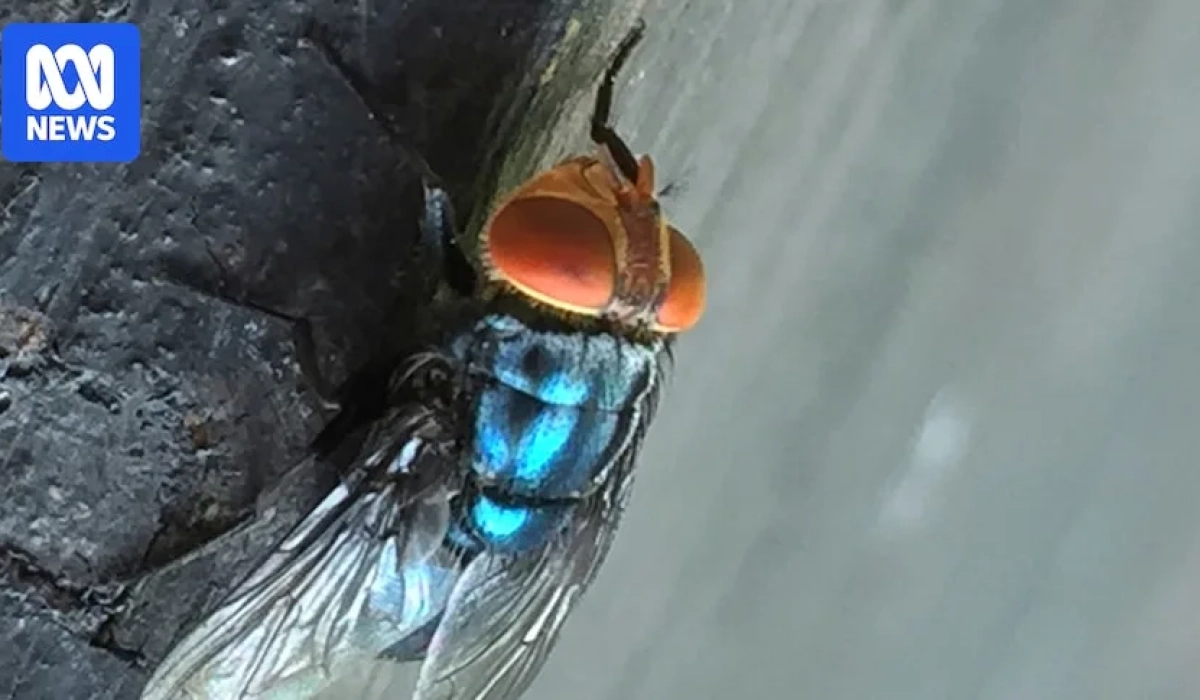
The return of the New World screwworm to Texas has become one of the most serious biosecurity alarms for US livestock in decades. ABC reported that the flesh eating parasite was confirmed in a single three week old calf near La Pryor in south Texas. The location is about 161 kilometres south west of San Antonio and around 80 kilometres from the US Mexico border.
The US Department of Agriculture said this was the first Texas case since 1966. The stakes are high because the parasite is threatening a US cattle industry valued at about US$113 billion, while Texas alone accounts for roughly US$17 billion worth of the national herd. The pest is dangerous because its larvae feed on live flesh and fluids rather than dead tissue, making active wounds a direct route to infestation.
Female flies lay eggs in open wounds and mucous membranes, so any warm blooded animal can be affected, including wildlife, pets and occasionally humans. Livestock are especially exposed during ordinary handling, from ear tagging and movement through corrals to birthing. Industry representatives told the outlet that even a wound as small as a tick bite can create an entry point, and untreated infestations can kill animals.
The current threat has been building since the parasite re-established farther south. The article says the flies were detected in Mexico in late 2024 after years of containment at the southern end of Panama. As of June 2, the US Centers for Disease Control and Prevention said more than 171,700 animals and 2,000 people had been sickened across Central America and Mexico, with 10 human deaths recorded.
Texas authorities responded by imposing a 20 kilometre quarantine zone covering most of Zavala County and part of neighbouring Uvalde County. Animals cannot leave the zone without inspection. The USDA has also been releasing sterile flies in south Texas since February and is now dropping 4 million flies twice a week while placing another 4 million pupae per week to break the breeding cycle.
The outbreak also carries trade and market implications. The United States shut border entries to live cattle from Mexico in May 2025, and officials say that move delayed the pest's arrival in Texas by about a year. Authorities stress that screwworm does not infest food directly and may not disrupt beef output on its own, but the case still raises costs for surveillance, treatment, quarantine and biosecurity across the country's most important cattle state.