
San Diego farmland has shrunk by nearly a quarter in a decade, and FarmLink is trying to keep farmers on the land
Commercial farmland in San Diego County had fallen to a little more than 207,000 acres by 2024, down nearly 23% from a decade earlier. Against that backdrop, California FarmLink is expanding its Land Access program in the region, linking landowners with farmers looking for leased ground. For the local farm economy, the effort is aimed at keeping acreage in agricultural use and giving smaller producers a practical route into land access.
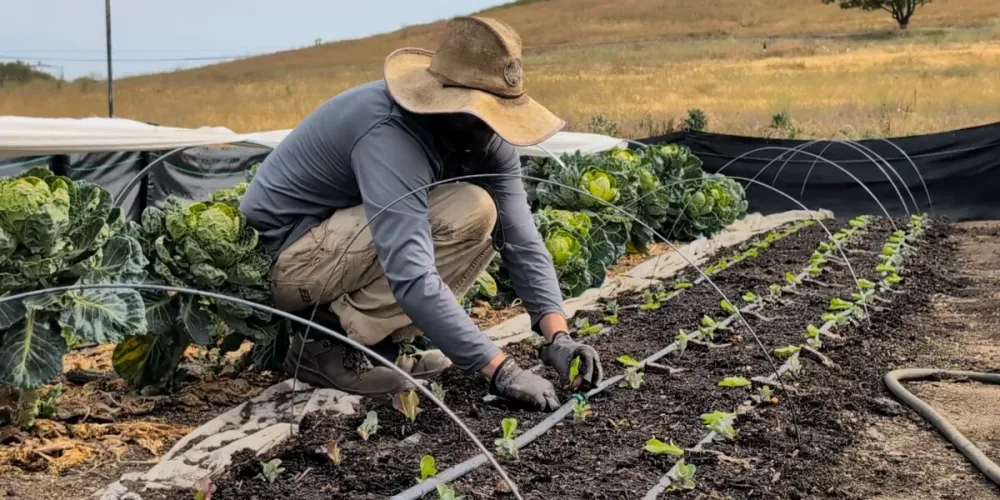
The model works as a matchmaking service for both sides. That is how farmer Andy Williamson, who had spent about three years growing at a community garden in the Tijuana River Valley and wanted to scale up, found a property in Ramona through FarmLink. The land was owned by Katie Shilts, her husband and friends, who were looking for a tenant farmer with regenerative farming knowledge and an interest in environmental stewardship.
FarmLink says it was founded in 1999 and helps farmers, ranchers and fishers with access to land, knowledge and capital. A core part of the program is pro bono assistance with land contracts, negotiations and lease finalisation. That matters because, for many landowners and tenant farmers, the arrangement is their first formal lease, and the legal structure can be a major barrier to getting new farms established.
The program is responding to a region under mounting pressure. KPBS reported that San Diego County is losing around two farms a week to development and other factors, while land prices are among the highest in the country. For some owners, keeping property in farming becomes an alternative to suburban housing. Shanley Miller and her business partner bought a 25-acre parcel next to her avocado farm in Hidden Valley because they did not want to see five houses built there.
Through FarmLink, they found their first tenants, a small family that wanted more room to grow vegetables than their yard allowed. For Miller, the arrangement helps preserve the rural character of the area while opening space for new growers to test and build a business. For Williamson, the lease has already become more than a short-term fix: after three years farming in Ramona, he has renewed the agreement and is considering adding an orange orchard, a sign that better land access can turn into longer-term farm tenure.
Not yet comments. Be the first!
Comments · 0