
Philippine ube growers face climate pressure as demand rises and resilient root crops gain attention
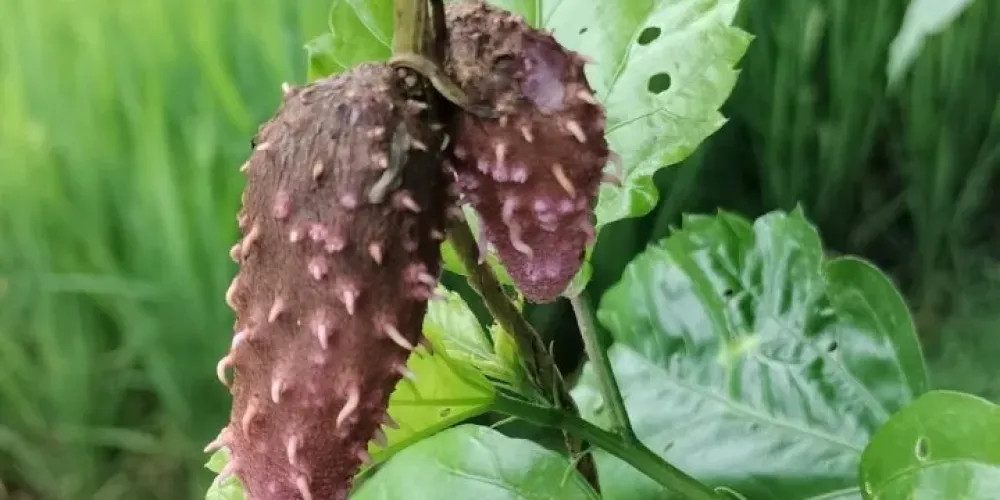
Philippine purple yam, or ube, has moved from a local staple into a recognisable export product, but the demand story is now colliding with mounting climate risk in production areas. Channel News Asia reported that the Philippines exported more than US$3 million worth of ube products last year to markets including the United States, the United Kingdom and Italy. Growers in Eastern Visayas, one of the country’s main ube regions, are trying to keep up with that demand under increasingly unstable weather conditions.
Leyte farmer Endalecia Canares said the crop requires close management. She described how leaves have to be lifted off the ground because heavy rain encourages fungal pressure when foliage stays in contact with wet soil. That kind of field care becomes more demanding as farmers also contend with erratic rainfall, higher temperatures and stronger typhoons, all of which are making production riskier.
Smallholders are also dealing with low productivity and unstable prices. The report points to the Fatima Multipurpose Cooperative as one response: it pools harvests, handles processing and buys produce from members, giving farmers a more dependable income stream. That arrangement reduces the need for each grower to secure buyers on their own and can soften the commercial shock when weather disrupts output.
At the Philippine Root Crops Research and Training Center in Leyte, scientists are testing more resilient options. Alongside improved ube lines, the centre is studying cassava, sweet potato and taro as crops that can handle harsher conditions. The issue is closely tied to food security as well. In Guiuan, Eastern Samar, an area devastated by Super Typhoon Yolanda in 2013, farmers are again promoting palawan, a wetland taro that tolerates waterlogged soils and salt intrusion.
Local officials want wider palawan planting as part of disaster preparedness, while specialists are calling for greater investment in indigenous crops and sustainable practices, including organic production. Organic agriculture specialist Graciel Gacutan said growers are drawn to organic methods not only because they can earn more, but also because organic fertiliser can produce fleshier ube. For the Philippine farm sector, that means future growth in export demand will increasingly depend on climate adaptation and on how quickly growers can shift toward more resilient production systems.
Not yet comments. Be the first!
Comments · 0