
New biosecurity advice for egg producers as bird flu testing continues
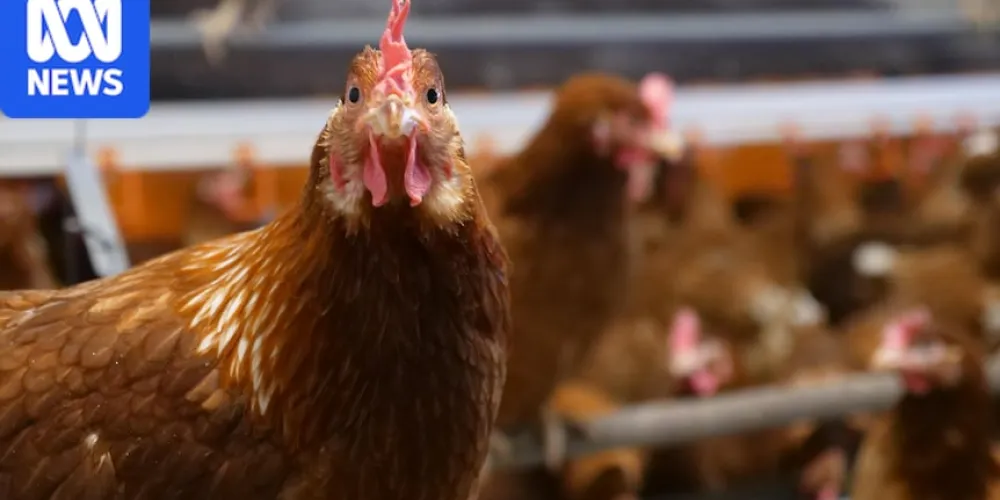
The Consultative Committee on Emergency Animal Diseases (CCEAD) has issued new guidance for Australian free-range egg producers. Amid ongoing surveillance regarding the spread of H5N1 bird flu, the committee is urging farmers to move their birds into indoor environments where practical. This measure, described as a time-limited approach, is designed to reduce contact between commercial flocks and wild birds, which are identified as potential carriers of the virus.
Currently, there are six confirmed cases of H5 avian influenza across Australia: four in Western Australia, one in South Australia, and one confirmed in New South Wales. Authorities continue to investigate further suspected cases, including a giant petrel found in Western Australia. Experts at CSIRO are conducting laboratory testing on samples from the bird to determine if the avian influenza virus is present, with further results expected to clarify the situation.
Experts stress that H5N1 bird flu poses a significant threat not only to commercial poultry operations but also to native wildlife. Jennifer Manyweathers, a veterinary epidemiologist at Charles Sturt University, notes that many native Australian species lack prior exposure to this virus, leaving them with little immunity and at risk of mass mortality events. Even if current testing in New South Wales returns negative results, specialists advise producers against complacency and emphasize the importance of having robust mitigation plans in place.
While the risk to human health remains low, public vigilance is advised. The virus has demonstrated the ability to cross species barriers, including into domestic animals like dogs and cats. Dr. Manyweathers recommends that dog owners keep their pets on leashes and prevent them from interacting with dead or sick wildlife. If members of the public encounter a sick bird, they are instructed not to touch or disturb the animal and to report the finding to relevant biosecurity authorities immediately.
The CCEAD advice will be reviewed in two weeks, depending on the evolving epidemiological data. Agronomists and farm owners are reminded that maintaining strict on-farm biosecurity protocols remains the most effective defense for protecting flocks during this period. The industry continues to monitor the situation closely, using each new detection as a guide for refining national disease control strategies and protecting both the agricultural sector and biodiversity.
Not yet comments. Be the first!
Comments · 0