
Iran war drives oil above $100/bbl, threatens higher food costs via energy and logistics shocks
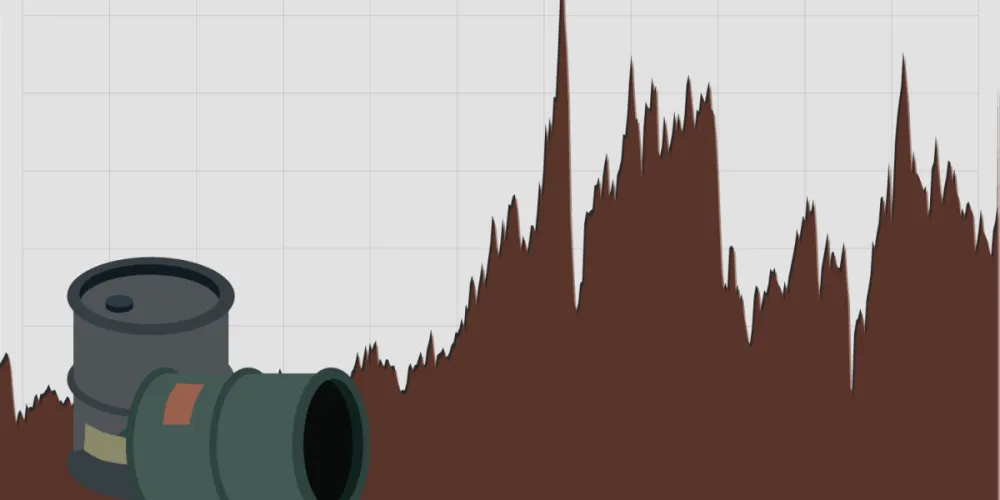
Oil prices climbed above $100 per barrel for the first time since Russia’s 2022 invasion of Ukraine after the US and Israel’s war on Iran began on February 28, creating renewed energy market uncertainty.
About 20% of global oil production originates in the Gulf region, and most of those exports transit the Strait of Hormuz, which narrows to 21 nautical miles at its tightest point. More than 20 million barrels per day pass through the strait, roughly one-fifth of oil traded by sea.
The US Energy Information Administration reports that 79.8 million barrels per day move by sea through global chokepoints. During the Iran war, vessel attacks and interference with navigation caused marine traffic through the Strait of Hormuz to nearly halt, restricting flows and disrupting global supply chains.
Some Gulf exporters can use alternative pipelines, but capacity is limited. The East–West and Habshan–Fujairah pipelines together total about 4.7 million barrels per day, and the Kirkuk–Ceyhan line is constrained to northern Iraq production. Estimates indicated rerouting might add up to 3.5 million barrels per day, leaving a potential shortfall near 15 million barrels per day if Hormuz traffic remained suspended.
Historical price shocks show the sensitivity of markets: Brent crude previously reached $147.50 per barrel and WTI $147.27 per barrel in 2008. Oil is refined into fuels — a barrel yields about 73 litres of petrol — and into feedstocks for plastics, synthetic fabrics, cosmetics, detergents and paints.
Energy costs are tightly linked to agriculture. Global fertiliser production depends on natural gas feedstocks, so higher energy prices push up fertiliser costs. Transport and distribution, which rely on oil-derived fuels, are fundamental to moving grain, perishables and inputs along supply chains.
Rising oil and energy prices therefore translate into higher costs across farming and food systems, from more expensive fertilisers to increased transport and processing expenses. These pressures can raise consumer food prices and increase the risk of food shortages in low-income countries that spend large shares of income on food and import fertilisers and grain.
Not yet comments. Be the first!
Comments