
Iran conflict threatens Gulf oil and gas hubs — implications for agriculture
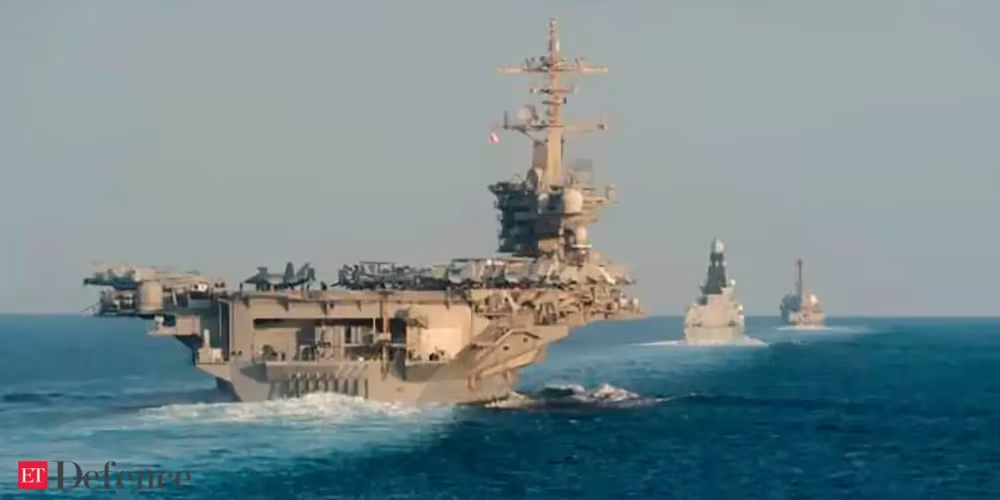
The Iran conflict (updated March 9, 2026) has disrupted key oil and gas infrastructure across the Persian Gulf, with immediate implications for agriculture. Damage and shutdowns at terminals, refineries and fields reduce availability of fuel, LNG and oil-derived feedstocks used in fertilizer manufacture, transport and farm machinery.
Qatar’s Ras Laffan LNG terminal — the world’s largest LNG export complex — was shut by state-owned QatarEnergy after a drone strike; the company declared force majeure. Ras Laffan sources gas from the world’s largest single field to liquefy and send to Asia and Europe. Its halt tightens global LNG supplies, which can affect industrial gas availability for fertilizer plants and energy-intensive agricultural processors.
Saudi Arabia’s Ras Tanura port and refinery, Aramco’s largest refinery, temporarily stopped after a drone impact caused a fire. Reduced refining capacity limits supplies of diesel and jet fuel used in farm operations and aerial crop services, and can disrupt supply chains for agricultural inputs.
The Saudi East–West pipeline, linking the Aqaiq processing centre near the Gulf to Yanbu on the Red Sea to bypass the Strait of Hormuz, remains a strategic route when shipping corridors are threatened. Disruptions to pipelines or ports complicate fuel logistics for farms and rural transport.
Fujairah terminal in the UAE, a major VLCC loading point that enables exports without transiting the Strait of Hormuz, has been disrupted according to Rystad Energy. Interruptions there risk diesel and fuel shortages critical during planting and harvest seasons and for refrigerated transport of food.
Iran’s Kharg Island terminal, which handled about 1.6 million barrels per day prewar, has an unclear operational status after reports of accelerated shipments before the conflict. The unpredictability of export flows increases market volatility and complicates fuel procurement planning for agribusinesses.
Israel’s offshore Leviathan gas field was shut on orders from the Energy Ministry for security; it supplies gas to Egypt. Reduced gas flows can affect feedstock availability for fertilizer production and energy supply for agro‑industry.
Southern Iraqi fields such as Rumaila and West Qurna cut output by roughly 1.5 million barrels per day amid storage limits. Al Basra Oil Terminal exports about 80% of Iraq’s annual oil; curtailed exports add pressure to global fuel markets that agriculture depends on.
Bahrain’s Bapco refinery on Sitra Island halted operations after a missile strike, disrupting supplies of jet fuel, diesel and other products. For agriculture this elevates risks of fuel shortages, higher operating costs, and delays in transport and storage services.
Brent crude has risen from about $72.97 before the war to nearly $103 on a recent Monday. Analysts warn that even if shipping routes reopen soon, restarting production at affected fields will take weeks to months. That implies a prolonged period of elevated costs for fuel, fertilizers and logistics across farming sectors.
Overall, the disruption to Gulf pipelines, terminals and refineries threatens energy availability and raises input costs for farming, processing and food distribution worldwide, with potential impacts on planting schedules, harvest logistics and farm profitability.
Not yet comments. Be the first!
Comments