
India urged to replace fertilizer subsidies with direct farmer support
Agricultural economist Ashok Gulati says India’s fertilizer subsidy regime has become fiscally unsustainable, environmentally damaging and too dependent on imports.
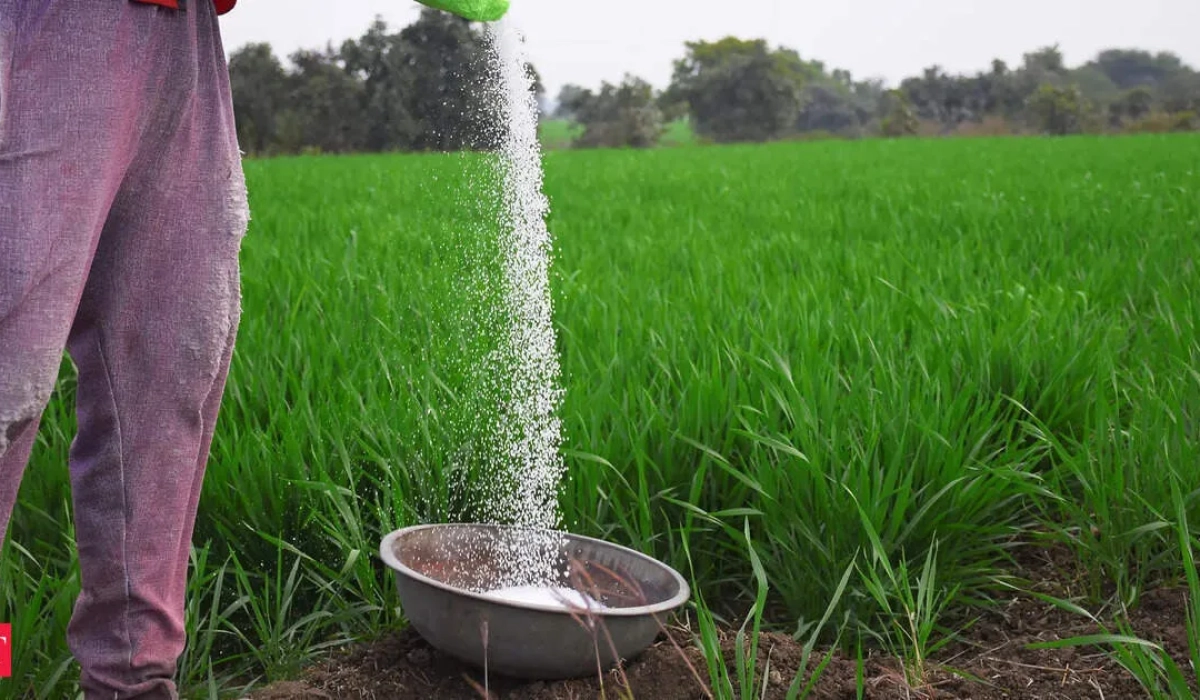
India’s fertilizer subsidy regime is back under scrutiny as policymakers weigh the risks of a weak monsoon, possible El Nino effects, geopolitical tension in West Asia and rising farm input costs. In an interview with The Economic Times, agricultural economist Ashok Gulati argued that the current model is fiscally burdensome, import-dependent and environmentally damaging. In his view, the case for deep reform is becoming harder to postpone.
India budgeted around Rs 1.71 lakh crore for fertilizer subsidies, but Gulati warned that the total could climb above Rs 3 lakh crore if international fertilizer and energy prices stay elevated. He pointed to recent import tenders as evidence of how exposed the system remains. In April, Indian Potash Limited settled a 2.5 million tonne urea tender at $935-959 per tonne, and on May 27 National Fertilizers Limited floated another tender for 1.7 million tonnes. India’s subsidy bill had previously peaked at Rs 2.5 lakh crore in FY23 after the shock from the Russia-Ukraine war.
More recently, prices softened. In NFL’s latest tender, bids came in at $445-449 per tonne after China resumed urea exports. But Gulati says that does not fix the structural problem. The actual cost of a 45-kg bag of urea is now around Rs 4,000, while farmers still buy it for roughly Rs 270. That price gap encourages overuse of nitrogen and undermines balanced application of phosphatic and potassic nutrients.
The environmental consequences are a central part of his argument. Gulati said plants absorb only 35-40% of the nitrogen applied, with the rest contributing to soil degradation, groundwater pollution and nitrous oxide emissions. Cheap fertilizer also creates incentives for diversion into non-agricultural uses and illegal cross-border trade. He further linked the current subsidy design to crop-pattern distortions, especially the continued preference for water-intensive rice and wheat in states such as Punjab and Haryana.
His preferred alternative is to shift from price subsidization to direct income support or direct benefit transfers for farmers. Under that approach, fertilizer prices would be deregulated while compensation would go straight to farmers based on landholding and cropping patterns. Gulati argues that this would reduce leakages, discourage misuse and let market prices push growers toward more efficient nutrient use. He also sees scope to encourage a move from paddy to pulses and oilseeds, which require less irrigation and can improve nutrient balance.
At the same time, Gulati does not see natural farming as a complete substitute for conventional fertilizers. He said research points to significant yield losses in staples such as wheat and rice when chemical inputs are removed entirely. His conclusion is that India must either impose stronger limits on fertilizer use or undertake a comprehensive reform that combines direct farmer support, better matching of purchases to crop needs, and wider use of more efficient specialty and water-soluble fertilizers.