
India told to raise oilseed yields or face rising edible-oil imports
India needs to sharply improve oilseed yields and tap alternative oil sources if it wants to cut edible-oil imports over the rest of the decade, according to the Solvent Extractors’ Association of India.
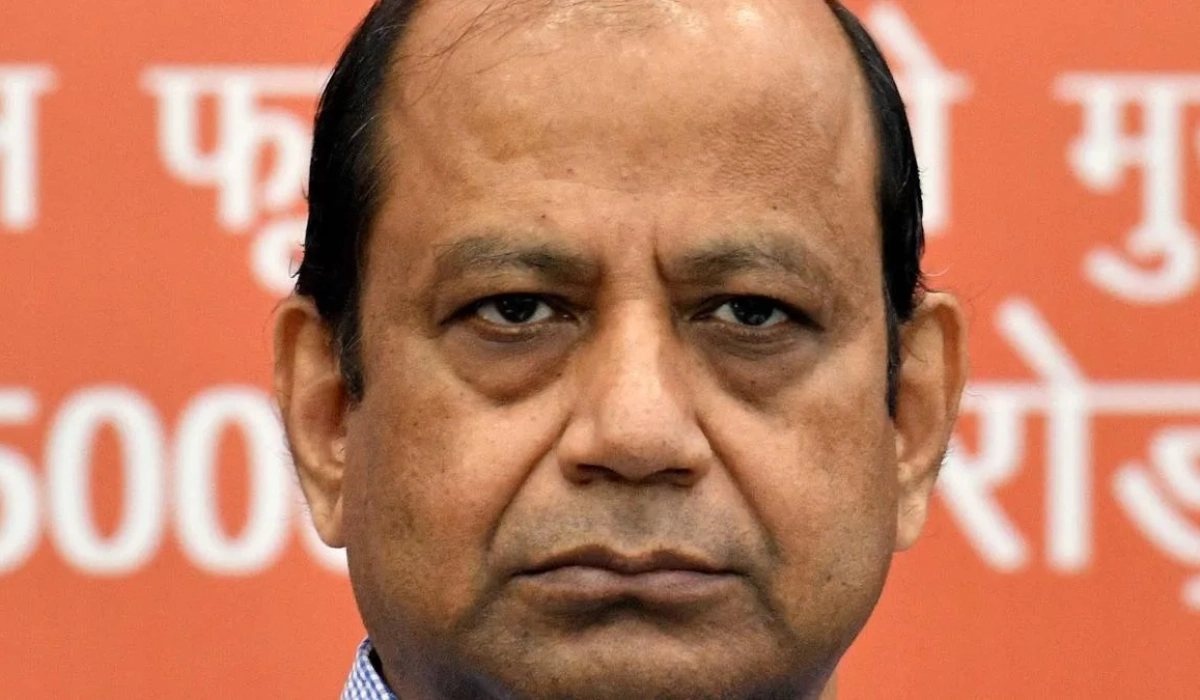
India needs to significantly improve oilseed yields and make better use of alternative oil sources such as cottonseed oil and rice bran oil if it wants to reduce edible-oil imports in the coming years. That message came from Sanjeev Asthana, president of the Solvent Extractors’ Association of India, in a monthly note to members reported by BusinessLine.
Asthana said India is expected to produce a record 43.06 million tonnes of oilseeds in 2025-26, led by rapeseed-mustard, groundnut and soybean. Even with that record crop, however, the country still imports nearly 60% of its edible-oil requirement. Demand continues to expand with population growth, rising incomes and changing consumption patterns, making edible oils a persistent strategic deficit in the farm economy.
He warned that import dependence will not fall unless domestic production and productivity improve much faster. According to his estimate, if India wants to cut edible-oil imports to about 9.5-10 million tonnes by 2030, it must raise yields while also tapping underused sources such as cottonseed oil and rice bran oil. Otherwise, the current edible-oil import bill of $18-19 billion is likely to keep increasing.
SEA has already submitted recommendations on rabi price policy to A. Ganesh Kumar, chairman of the Commission for Agricultural Costs and Prices. The proposals call for a focused National Oilseeds Mission, faster crop diversification, minimum support price policies aligned with productivity and diversification goals, and stronger investment in technology.
Asthana pointed to the SEA-Solidaridad project involving 3,000 model mustard farms as evidence that measurable and scalable productivity gains are possible. In his view, India now needs to replicate such models nationwide if it is serious about improving self-reliance in oilseeds.
He also linked the issue to trade and logistics. Geopolitical tensions, higher freight costs and supply-chain disruptions hurt oilmeal exports during the year, although new openings appeared at the same time. China became the largest buyer of Indian rapeseed meal, while South Korea strengthened its role as an importer of castor, rapeseed and soybean meals. Exports to Bangladesh declined, but Kenya, Germany, Nepal and France increased purchases.
Asthana added that debates over biotechnology and genetically modified crops will continue, but all sides share the goal of boosting domestic production without undermining sustainability, farmer welfare or consumer confidence. Weather remains another risk: with monsoon rainfall projected at around 90% of the long-period average, August and September will be critical for flowering and pod formation in oilseeds, and any disruption could affect both the kharif crop and the following rabi season.