
The U.S. H-2A Visa Program Is Growing Rapidly, but Everyone Is Unhappy
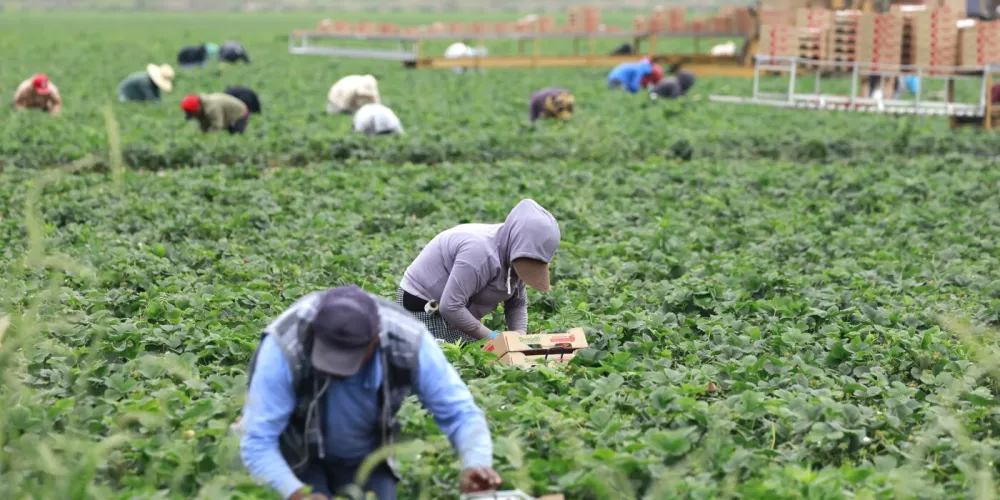
The H-2A visa program, which allows agricultural employers to hire foreign workers for seasonal tasks, has become a focal point of U.S. political debate. Despite the program's usage surging by more than 500% since 2012—rising from 62,743 to nearly 400,000 by 2025—employers, labor advocates, and both political parties agree that it is fundamentally flawed. Farmers, including berry producers and dairy operators, are actively lobbying in Washington for reforms to expand access to foreign labor.
House Agriculture Committee Chairman Glenn "GT" Thompson has introduced a bill aimed at easing access to H-2A visas. Thompson acknowledges that while immigration falls under the jurisdiction of the House Judiciary Committee, the interests of American farmers and ranchers demand urgent attention. Currently, the program is restricted to seasonal and temporary work, but farmers are pushing to include year-round operations, such as dairies, which have historically been excluded from the program.
The situation is complicated by the Trump administration’s strict focus on immigration enforcement and mass deportations. According to the U.S. Department of Agriculture, approximately half of all crop farmworkers currently lack legal authorization to work. Growers warn that without a legal path for labor, increased border enforcement will result in supply chain disruptions and food shortages, a threat previously highlighted by the Department of Labor.
The policy differences are profound. Conservatives remain skeptical of any expansion that could facilitate the legalization of those currently working in the U.S. illegally, while labor organizations continue to criticize the H-2A program for potential workplace abuses. Meanwhile, organizations like the U.S. Chamber of Commerce emphasize the economic necessity of adapting to a shrinking working-age population, as forecast by the Congressional Budget Office.
Florida remains the top state for H-2A visa certifications, followed by Georgia, California, Washington, and North Carolina. Mike Joyner, president of the Florida Fruit and Vegetable Association, notes that farmers rely on the program not because it functions well, but because they have no viable alternatives. Amid rising program costs and increasing wage requirements, growers are demanding reforms that would allow them to maintain competitiveness and ensure the nation's food security.
Not yet comments. Be the first!
Comments · 0