
Greece presses EU for producer support as input costs rise
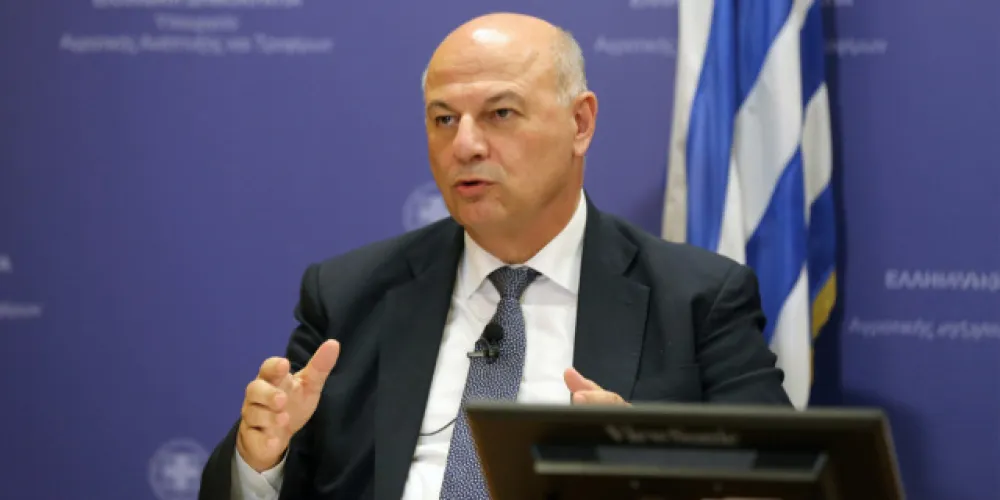
Greek agriculture minister Kostas Tsiaras has called for immediate European Union decisions to support producers facing higher costs as geopolitical tensions feed through to farm economics. Speaking at the meeting of EU agriculture and fisheries ministers in Brussels, he said the primary sector had entered another period of complex pressure and could not absorb the latest shocks alone.
Tsiaras linked the problem directly to developments in the Middle East, saying international instability was already increasing the real cost of production for European farmers. In his remarks, reported by ProtoThema English, he argued that support measures must be taken at EU level because the burden is hitting the sector as a whole rather than isolated national markets.
He also used the discussion to stress the importance of protecting products with geographical indication and designation of origin as the bloc pursues new major trade agreements. Greece has 121 products with recognised identity in those categories, he noted, so any future market opening needs strong mechanisms that protect producers' names and value in international trade.
The minister said the fisheries sector faces a parallel pressure point because higher energy costs are threatening the sustainability and competitiveness of European fishing. He added that zoonotic disease risks also require coordinated European action and broader planning that will strengthen the resilience of the primary sector as the EU moves toward a new programming period.
The issue was echoed at a morning meeting of European People's Party ministers chaired jointly by Tsiaras and Finnish minister Sari Essayah. According to the report, participants said that Middle East tensions were disrupting supply chains, especially through higher fertilizer prices, and that the EU urgently needs to cut administrative burdens while delivering practical and enforceable support for agricultural production.
Not yet comments. Be the first!
Comments · 0