
Bird flu spreads in Kathmandu Valley, confirmed at 82 sites across 11 districts
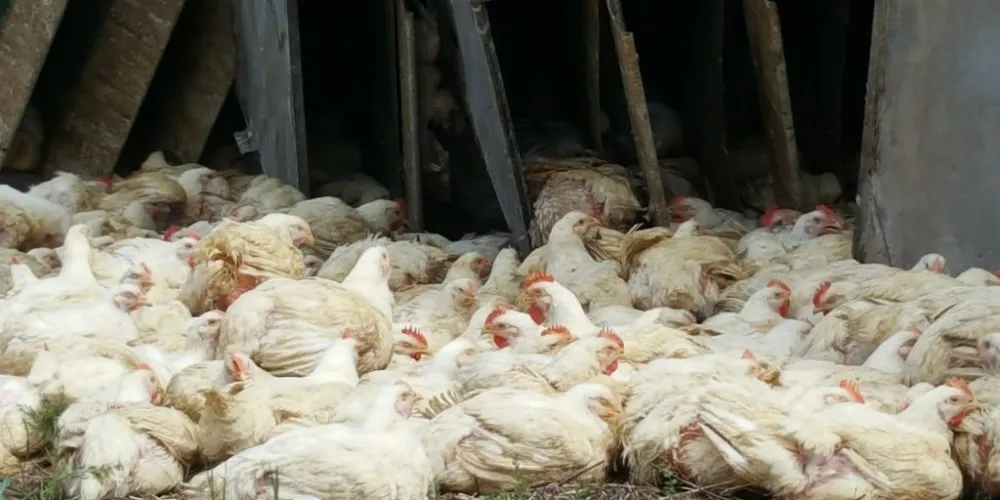
The spread of bird flu in Nepal has reached critical levels, with health and veterinary authorities reporting outbreaks confirmed at 82 distinct locations across 11 districts. According to the Department of Livestock Services, the highly pathogenic H5N1 strain of avian influenza has been spreading rapidly over the past three months, with the most significant risks currently focused on the Kathmandu Valley, specifically within the Kathmandu, Lalitpur, Bhaktapur, and Kavrepalanchok districts.
The initial detection of the outbreak occurred in March 2026 in the Morang district. Since then, the virus has moved through various regions, affecting Jhapa, Sunsari, Mahottari, Bara, Chitwan, and Nawalparasi. This rapid geographical spread has prompted the government to intensify surveillance and implement comprehensive disease control measures to prevent further economic and agricultural damage.
Dr. Umesh Dahal, Director General of the Department of Livestock Services, stated that authorities have taken drastic containment actions, including the culling of 569,858 birds. Furthermore, the containment efforts necessitated the destruction of 989,313 eggs and 1,954.85 quintals of poultry feed to eliminate any sources of potential re-infection. These actions are being carried out in coordination with federal, provincial, and local government bodies.
While officials report that the outbreak has been brought under control in districts such as Bara, Mahottari, Chitwan, Nawalparasi, Jhapa, Morang, and Sunsari, vigilance remains heightened within the Kathmandu Valley. The Department has established a specialized Bird Flu Disease Control Room, led by the Deputy Director General, to manage technical teams and provide real-time responses to newly identified cases in the affected regions.
To further strengthen monitoring and scientific understanding of the virus, the Department has initiated a collaborative effort with the National Public Health Laboratory. Scientists are currently performing gene sequencing on the circulating H5N1 strain to identify any potential genetic mutations. This scientific insight is crucial for developing updated strategies to combat the virus, which continues to pose a challenge to Nepal's poultry industry and public safety.
Not yet comments. Be the first!
Comments · 0