
10 Tips for Growing Better Blueberries
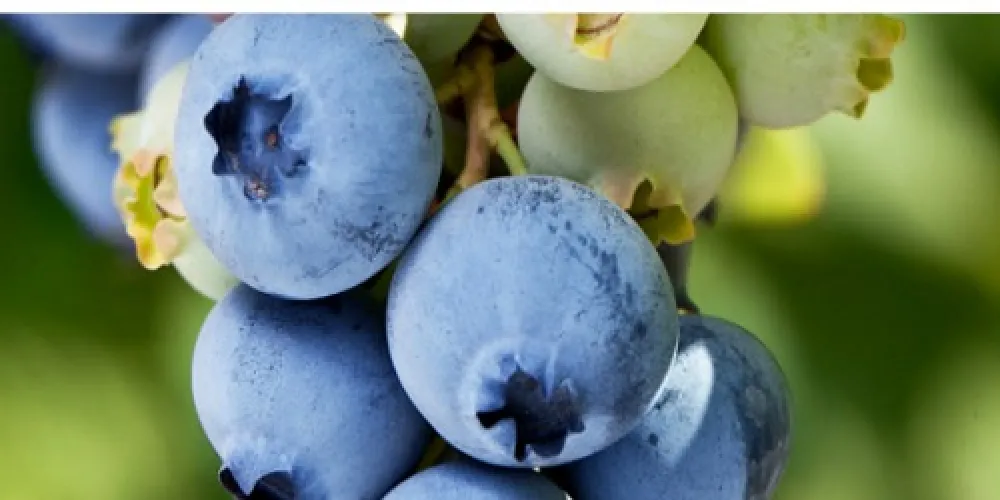
Blueberries are known for being a bit particular when it comes to their growing environment. To ensure success, you must provide acidic soil with a pH of 5.0 that drains exceptionally well. When planting multiple bushes, it is highly recommended to create raised mounds about 1 to 1.5 feet high, with a 3-foot radius for each, which significantly improves drainage. Integrating some organic matter, such as compost or manure, can further enhance soil health.
Because blueberry bushes have shallow root systems, they are highly sensitive to moisture loss. Proper watering is essential; instead of light surface sprinkling, ensure you give the plants a deep soaking so moisture penetrates to the lower soil levels. Mulching is your most effective tool for moisture management. A 2-to-4-inch layer of organic mulch, such as pine needles, wood chips, or shredded bark, keeps the roots cool during summer heat and helps maintain the necessary soil acidity as it breaks down.
Strategic pruning is key to long-term productivity. For the first three years, it is advisable to remove developing flower buds to allow the plant to focus its energy on growing strong branches and roots. By the fourth year, focus on removing dead, weak, or crowded branches. This practice improves airflow throughout the canopy, which is a vital step in preventing fungal diseases and promoting healthy berry growth.
Protecting your crop from pests is another necessary task. Birds, squirrels, and other wildlife are just as eager as you are to enjoy fresh berries. Utilizing protective barriers, such as crop cages or DIY huts, can save your harvest. Furthermore, maintaining a clean garden by removing weeds and yard debris is essential. Always dispose of any diseased berries or leaves away from your compost pile to prevent spreading pathogens across your garden.
Finally, consider the benefits of biodiversity. While some varieties are self-pollinating, cross-pollination between two or three different varieties that bloom simultaneously often results in larger, juicier fruit. By selecting a mix of early-season and mid-season varieties, you can not only improve the quality of your crop but also extend your harvest window, allowing you to enjoy fresh, homegrown blueberries for several weeks throughout the summer season.
Not yet comments. Be the first!
Comments