
Zoophthora
Zoophthora
Description
Pathogen
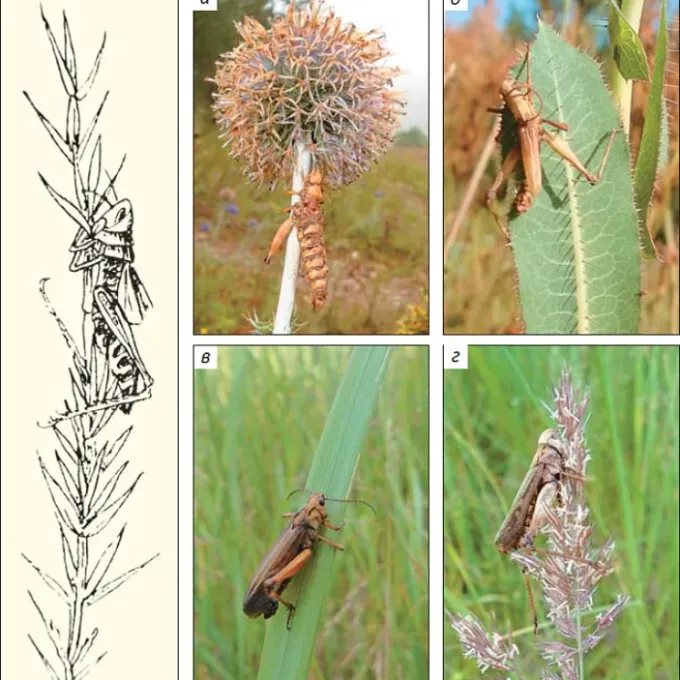
Zoophthora is a genus of fungi belonging to the order Entomophthorales. These fungi are specialized entomopathogens that primarily infect insects rather than attacking plants.
They act as obligate parasites, meaning they require a living insect host to complete their life cycle. Infection usually occurs through the insect's cuticle, where spores germinate and penetrate the host's body.
In agronomy, these fungi are valued for their role in natural pest population suppression. They are capable of causing widespread epizootics among pest populations in various agroecosystems.
Once inside the host, the fungal mycelium grows rapidly, consuming nutrients and destroying internal tissues. After the host dies, the fungus produces conidiophores to release spores for further spread.
The taxonomy of this genus is complex, as many species were previously classified under the genus Entomophthora. Modern mycological classification focuses on their specific spore structures and developmental traits.
Conditions for development
The development and spread of Zoophthora species are strictly dependent on environmental conditions, particularly high humidity. Relative humidity levels of 80–90% or higher are required for spore germination.
Temperature plays a crucial role in the infection rate. The optimal range for most species is between 15°C and 25°C; extreme heat or freezing temperatures significantly inhibit their growth.
High host density is a major factor in triggering an epizootic. When insect populations are dense, the transmission of spores between individuals occurs rapidly, leading to mass mortality.
UV radiation from direct sunlight is harmful to spores exposed on plant surfaces. Consequently, transmission and infection cycles are more common during overcast conditions or at night.
Agricultural practices that maintain a humid microclimate within the crop canopy or near the soil surface can promote the natural spread of these fungi among insect pests.
Why it matters
The fungi of the genus Zoophthora do not cause diseases in agricultural crops. They are not phytopathogens and do not extract nutrients from plant tissues.
Potential harm is limited to the unintended infection of beneficial insects, such as biological control agents in greenhouses or predatory insects in the field, which can reduce the effectiveness of integrated pest management.
In the context of crop production, the presence of these fungi is generally beneficial, as they reduce the numbers of plant-feeding insects without the need for synthetic chemicals.
There are no known risks to human health, livestock, or soil quality. These fungi are harmless to organisms outside of their specific insect host range.
In conclusion, the fungi do not pose a threat to plant health, and their presence in the field is a sign of a healthy, naturally balanced ecosystem.
Protection
Active control measures against Zoophthora are rarely necessary, as they act as natural allies in the biological control of insect pests.
In situations where these fungi threaten beneficial insect rearing (e.g., in insectaries), controlling humidity through ventilation is the most effective preventative measure.
Standard sanitation practices and quarantine measures for incoming biological agents help prevent the introduction or spread of fungal diseases within insect colonies.
Chemical fungicides applied to manage crop diseases may suppress Zoophthora populations. This should be considered when designing an integrated pest management program.
Future agricultural applications may involve the use of these fungi as bio-insecticides, though industrial production of such products is currently in the experimental stage.
Discussion
No discussions yet — be the first.