
Zasmidium
Zasmidium
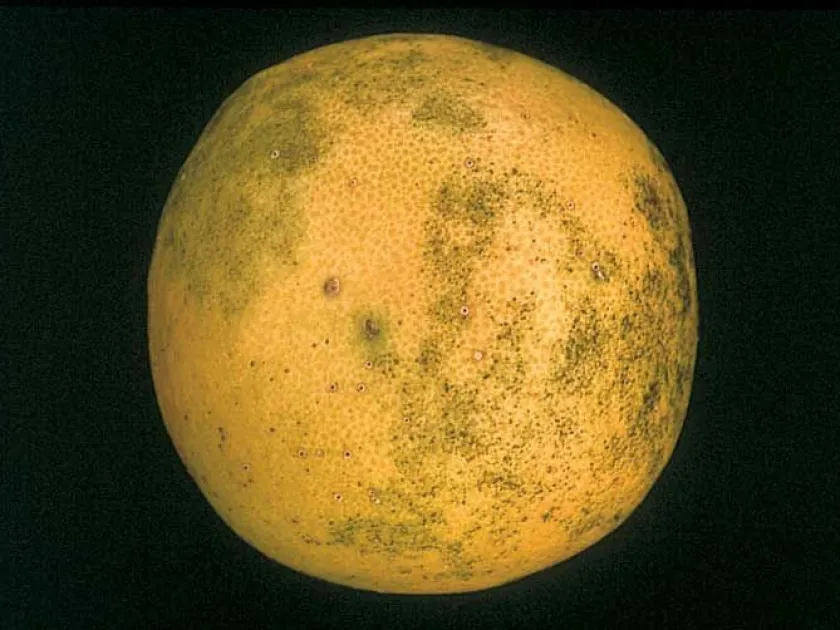
Description
Symptoms
The primary symptom of a Zasmidium infection is the appearance of leaf spots. Initially, these appear as small, chlorotic lesions, which eventually darken to brown, gray, or black as the tissue necrosis progresses.
In many cases, a fine, dust-like coating can be observed on the underside of the leaves. This coating consists of the fungus's reproductive structures, specifically conidiophores and masses of conidia, which become visible under high humidity.
As the infection advances, individual spots may coalesce, covering a large portion of the leaf surface. This loss of healthy tissue leads to premature yellowing, leaf curling, and eventual defoliation.
In some susceptible crops, the infection also affects petioles and young shoots, leading to stunted development and physical deformation of the plant organs, which significantly reduces the growth rate.
Chronic infections in trees and shrubs often lead to early leaf drop. This premature senescence impairs the plant's ability to store energy for the following season, resulting in decreased overall vigor and productivity.
Pathogen
Zasmidium is a genus of fungi belonging to the class Dothideomycetes. These pathogens are known to cause various types of foliar diseases, primarily manifesting as leaf spots, which impair the plant's physiological health.
The fungus spreads primarily through conidia, which are dispersed by wind currents or water splashes during rainy weather. It can persist in plant debris for extended periods, overwintering as mycelium or specialized structures waiting for favorable conditions.
Biologically, Zasmidium often acts as a pathogen that weakens the host plant's vigor. It is frequently observed colonizing tissues that have been previously compromised by other environmental stressors or pest damage, serving as a secondary invader.
The taxonomy of this genus is closely linked to fungi previously classified under the genera Pseudocercospora or Cercospora. Modern molecular analysis has helped to clarify its distinct morphology and specific niche in plant pathology.
Laboratory diagnosis usually involves the microscopic examination of conidiophores and spores. The specific shape and attachment patterns of the conidia are key indicators used by agronomists to differentiate Zasmidium from other similar fungal leaf spot pathogens.
Conditions for development
The development of Zasmidium is strongly favored by high humidity and prolonged leaf wetness. Rain, heavy fog, and dew are critical environmental triggers that facilitate spore germination and infection.
Optimal temperatures for the rapid spread of the pathogen generally range from +18 to +25 degrees Celsius. Within this thermal window, the incubation period is significantly reduced, potentially leading to widespread outbreaks.
Poor ventilation in dense plantings or thick tree canopies provides an ideal microclimate for the fungus. Stagnant air allows moisture to persist on the foliage for longer periods, which is essential for successful fungal colonization.
Agricultural practices that promote high humidity, such as overhead irrigation or dense spacing, significantly increase the risk of disease. Lack of sanitation, such as failing to remove infected leaves, allows the inoculum to accumulate.
The fungus survives the winter primarily in fallen leaves and on infected woody parts. If these remnants are not removed or destroyed, the disease cycle will continue to repeat itself in subsequent growing seasons.
Why it matters
The primary harm caused by Zasmidium is the reduction of the leaf surface area available for photosynthesis. This decline in metabolic activity directly translates to lower nutrient production and stunted plant development.
Harvested products from infected plants often show reduced size, lower weight, and poor quality, which can lead to significant economic losses for growers. In some cases, the aesthetic damage to ornamental crops makes them unsellable.
Infected plants exhibit reduced resistance to environmental stressors. Susceptibility to winter cold damage and summer drought is increased, often leading to plant mortality in severely affected crops.
In nurseries, Zasmidium can result in mass losses of seedlings, complicating the propagation process and affecting the availability of healthy planting stock for commercial agricultural use.
Prolonged infection drains the resources of perennial crops, reducing their long-term productive lifespan. This leads to the necessity of early replanting, which represents a major capital investment for agricultural enterprises.
Protection
Integrated pest management (IPM) is the most effective approach for controlling Zasmidium. This begins with rigorous sanitation: the removal and destruction of all infected plant material and debris at the end of the season.
Cultural practices such as maintaining optimal plant spacing and regular pruning are essential to improve air circulation within the canopy. This reduces humidity and prevents the environment from becoming favorable to fungal growth.
Chemical control involving fungicides is recommended during periods of high disease pressure. Copper-based compounds, as well as systemic fungicides like triazoles and strobilurins, are frequently used to manage the infection.
Selecting disease-resistant varieties and maintaining a crop rotation program can further minimize the impact of the disease. Healthy soil management and balanced fertilization help the plants build their natural defenses.
- Apply preventative fungicide sprays before the symptoms become widespread.
- Ensure adequate nutrient levels, especially potassium, to boost plant immunity.
- Monitor the crop frequently during wet weather to detect the first signs of infection.
Discussion
No discussions yet — be the first.