
Xylobolus
Xylobolus
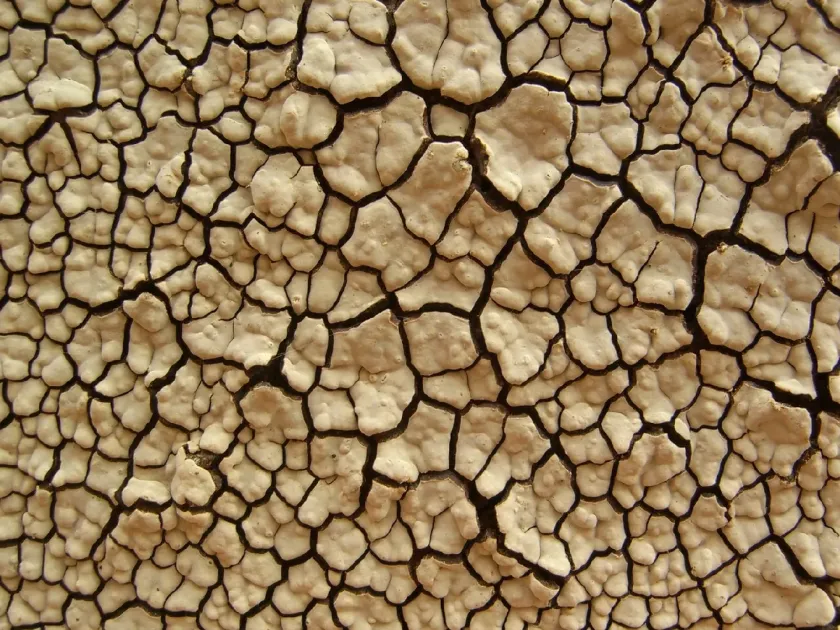
Description
Symptoms
The most visible symptom is the presence of hard, layered, leathery fruiting bodies growing directly from the bark of branches or the main trunk.
Internally, the wood appears bleached or light-colored, becomes soft and spongy, and loses its structural integrity, often showing white mycelial mats in cracks.
External foliage symptoms include wilting, chlorosis, and the gradual dieback of specific branches as the transport system of the plant is compromised by the decay.
In advanced stages of infection, trees often exhibit structural instability, making them prone to snapping during windstorms or heavy snow accumulation.
- Leathery, shelf-like fungal growths on bark.
- Bleached, fibrous, and soft wood texture.
- Gradual crown thinning and branch dieback.
- Structural instability and cavity formation.
Pathogen
Xylobolus is a genus of basidiomycete fungi belonging to the Stereaceae family, known primarily as wood-decaying organisms that cause white rot in various plant species.
The pathogen initiates infection through spores that land on wounded bark, pruning cuts, or frost cracks, allowing the mycelium to penetrate the inner layers of the tree.
Once established, the mycelium secretes enzymes that break down lignin and cellulose, which are the main structural components of wood tissue.
The fungus produces perennial, leathery, and often shelf-like fruiting bodies on the surface of the infected bark, which serve as the primary sources of new spores.
As a parasitic fungus, it can survive by consuming living tissue but often transitions to a saprotrophic phase as the host wood dies and decays further.
Conditions for development
Xylobolus thrives in environments with high humidity and moderate temperatures, typically found in poorly ventilated wooded areas or dense orchards.
The presence of physical injuries, such as broken branches or improper pruning cuts, creates the necessary entry points for fungal spores to colonize the plant.
Extended periods of rain or mist facilitate the germination of spores and the development of the fungal mycelium deep within the host's woody structure.
Trees suffering from physiological stress due to drought, nutrient deficiency, or poor site conditions are significantly more susceptible to successful colonization.
Lack of proper canopy management can lead to pockets of stagnant air, which promote the growth of the fungus during favorable weather seasons.
Why it matters
The primary harm caused by Xylobolus is the progressive destruction of internal wood, which leads to a total loss of mechanical strength in the affected parts.
The decay disrupts the vascular system, effectively preventing the movement of water and nutrients, leading to the starvation and eventual death of the tree.
In forest and landscape settings, the presence of the fungus increases the risk of tree failure, creating potential safety hazards for people and property.
Because the fungus is a perennial pathogen, it remains an active source of infection for many years, threatening adjacent healthy trees in the vicinity.
Economic losses arise from the devaluation of timber and the necessity of expensive removal operations for infected trees that pose a safety risk.
Protection
Effective control starts with proper wound management; any damage to the bark or branches should be treated immediately with antiseptic sealants.
Regular sanitation programs are essential, involving the removal and destruction of all wood displaying fruiting bodies or signs of significant internal decay.
Tools used for pruning infected trees must be thoroughly disinfected with alcohol or bleach solutions before being used on healthy specimens to avoid cross-contamination.
Improving the overall vigor of trees through balanced fertilization and appropriate irrigation helps them develop better defensive responses against fungal pathogens.
In severe cases where structural integrity is compromised, complete removal of the tree, including the stump, is often the only way to eliminate the infection source.
Discussion
No discussions yet — be the first.