
Xylariomycetidae
Xylariomycetidae
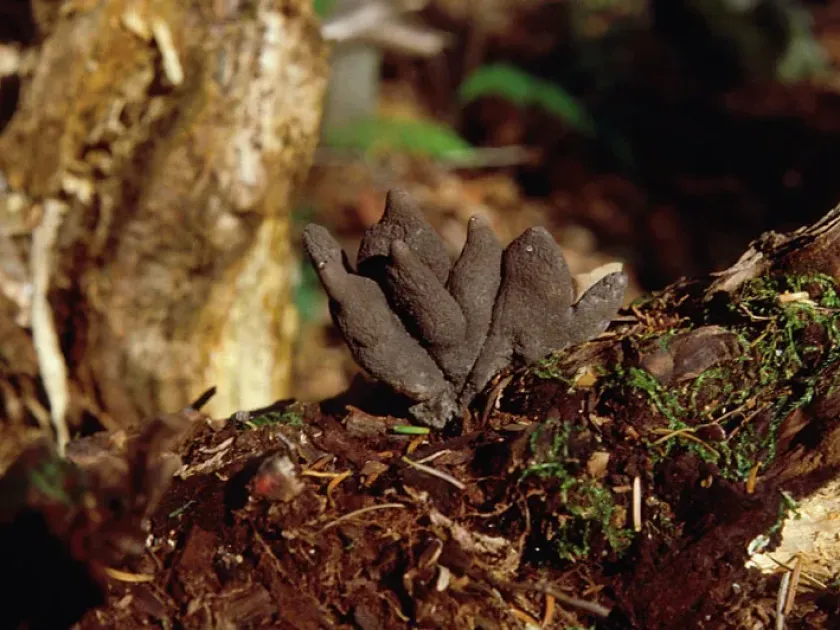
Description
Symptoms
The most distinctive signs are the visible fruiting bodies (stromata) appearing on the bark or near the base of the trunk, often resembling dark, burnt fingers.
Internal wood tissue shows distinct white or cream-colored mycelial mats beneath the bark, spreading through the vascular system.
Wood texture becomes soft, brittle, and sponge-like, as the fungus continuously strips away the structural components of the timber.
Foliage symptoms include chlorosis, wilting, and premature leaf drop, as the tree’s water transport capacity is gradually severely diminished.
In advanced cases, structural failure of the tree is common, leading to dangerous limb breakage or total trunk collapse during high wind events.
Pathogen
Xylariomycetidae are a subclass of fungi within the Sordariomycetes class. These organisms are primarily saprotrophic, playing a role in the decomposition of wood, yet some species act as opportunistic pathogens.
Commonly known for species like Xylaria polymorpha (Dead Man's Fingers), these fungi colonize trees through wounds, pruning cuts, or damaged bark areas.
The fungus secretes specific enzymes that degrade lignin and cellulose, leading to white rot which structurally compromises the integrity of the host plant.
This is classified as a wood-decaying disease. The life cycle involves the production of spores, which are disseminated by wind, rain splashes, and sometimes insects.
As a facultative parasite, the pathogen can persist on dead woody debris, making it a constant threat to nearby living trees that show signs of physical stress.
Conditions for development
Development is most favorable in environments with high humidity and stagnant air, which promotes spore germination and mycelial spread.
Trees with prior damage, such as frost cracks, sunburn, or poorly executed pruning cuts, are significantly more susceptible to infection.
Crowded plantings without adequate sunlight or ventilation create the microclimate necessary for these fungi to thrive on bark surfaces.
Poor soil drainage can stress the root system, indirectly lowering the tree's overall defense mechanisms against wood-decaying pathogens.
The presence of decomposing stumps or fallen branches in the immediate vicinity serves as a primary inoculum source for the spread of the fungus.
Why it matters
The primary harm is the destruction of the wood core, which permanently renders the tree weak and prone to falling, posing a safety risk.
In commercial orchards, infestation leads to significant yield loss and the eventual necessity to remove and replace entire fruit-bearing trees.
The disease value impact is high as it reduces the commercial timber quality and ruins the aesthetic value of ornamental garden trees.
Once established, the pathogen is nearly impossible to eradicate from within the wood, necessitating the removal of the entire affected plant.
The rapid spread of spores means that one untreated tree can effectively contaminate an entire area, leading to progressive degradation of the orchard.
Protection
Strict sanitation measures, including the removal and destruction of stumps and decaying wood, are essential to minimize the infection risk.
Proper pruning techniques are crucial; ensure all cuts are clean and immediately sealed with a protective wound dressing or copper-based paste.
Regular disinfection of pruning tools with ethanol or bleach is mandatory to prevent cross-contamination between healthy and infected trees.
Promoting tree health through balanced fertilization and proper irrigation helps maintain the plant’s natural resistance against fungal infections.
Annual preventive spraying with fungicides during the dormant season helps eliminate surface spores and prevents new colonization of the bark.
Discussion
No discussions yet — be the first.