
Xylariales fungi
Xylariales
Description
Symptoms
Common signs include the appearance of hardened, charcoal-like stroma or crusts on the outer surface of the bark, which vary in shape depending on the species.
Affected bark often shows symptoms of cankers, deep vertical cracking, and localized patches of dark, necrotic tissue around the entry points.
Foliage on infected branches may exhibit chlorosis, wilting, and premature drop as the vascular system becomes compromised by the fungal growth.
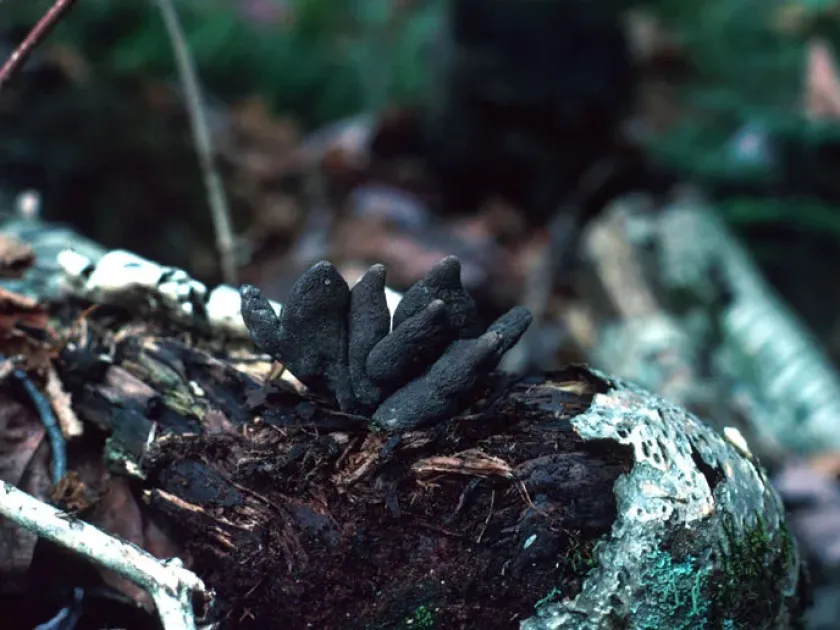
Small, club-shaped or finger-like fruiting bodies may emerge from the wood, providing a visual indicator of an advanced internal infection.
Peeling away the bark often reveals discolored wood, sometimes marked with distinctive black "zone lines" which are a characteristic feature of many Xylariales.
Pathogen
Xylariales is an order of ascomycete fungi that includes many species known for causing wood decay, stem cankers, and dieback in various woody plants.
These fungi are specialized decomposers that break down lignin and cellulose, effectively softening the wood structure of both living and dead trees.
The infection process typically begins when fungal spores enter through wounds, pruning cuts, or stress-related cracks in the tree bark.
Within the host tissue, the fungus develops a complex mycelial network that systematically colonizes the sapwood and heartwood of the plant.
Reproductive structures, such as perithecia, form on the surface of the bark, releasing thousands of spores that spread the infection to neighboring plants.
Conditions for development
High humidity and prolonged periods of wet weather create ideal conditions for the germination and successful colonization of these fungal spores.
Trees that are physically stressed by drought, poor soil quality, or mechanical injury are significantly more prone to attack by Xylariales.
Poor orchard management, such as neglecting to seal large pruning wounds, leaves the tree vulnerable to airborne spore entry.
Inadequate airflow within the tree canopy maintains a humid microclimate, promoting the spread of the fungus throughout the tree structure.
Temperature fluctuations, particularly those leading to frost damage in the spring, often result in cracks that serve as easy pathways for infection.
Why it matters
The primary damage caused by these fungi is the degradation of the tree's structural integrity, which leads to branch breakage and potential tree failure.
Infection results in a severe decline in tree health, eventually causing dieback and, in many cases, the total death of the host plant.
Fruit yield is drastically reduced as the tree's ability to transport water and nutrients is severely impaired by the internal decay process.
In forest and orchard settings, infected trees act as reservoirs for spores, spreading the pathogen to healthy trees throughout the area.
The economic impact is substantial, particularly in timber production and professional fruit growing, where wood quality and tree longevity are crucial.
Protection
Proactive prevention involves maintaining optimal tree vigor through proper fertilization, watering, and regular monitoring for early signs of decay.
Strict sanitation practices, including the prompt removal and disposal of dead or infected wood, are essential to reduce the overall spore load.
Pruning should be performed using sharp, sanitized tools, and all major wounds must be treated immediately with wound sealants to prevent infection.
Preventative fungicide applications on exposed wood surfaces can provide a protective barrier against spore colonization in high-risk environments.
- Maintain appropriate spacing to promote good air circulation.
- Regularly sanitize pruning equipment between trees.
- Remove infected debris from the orchard floor promptly.
Discussion
No discussions yet — be the first.