
Xylariaceae fungi
Xylariaceae
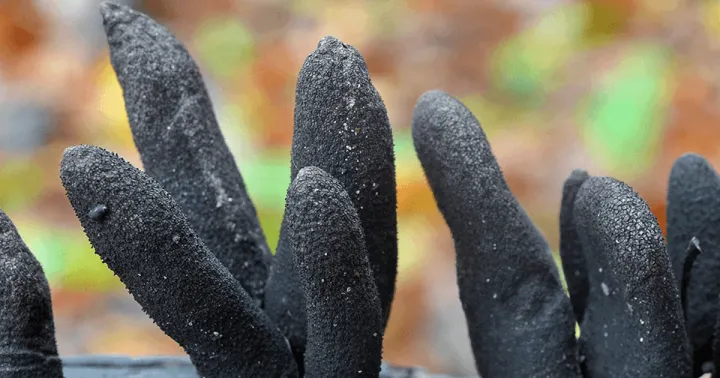
Description
Symptoms
The most recognizable sign of infestation is the emergence of black, club-shaped or finger-like fruiting bodies protruding from the bark or wood.
Initially, these structures may appear white or gray due to the production of conidia before darkening and hardening into their characteristic charcoal-like form.
Affected wood displays classic symptoms of white rot, becoming bleached, soft, and fibrous as the structural integrity of the timber is stripped away.
Dark, distinct zone lines may appear within the infected wood, representing chemical barriers created as the fungus competes with other decay-causing organisms.
Visible decline in the tree’s overall health, such as leaf yellowing, branch dieback, and reduced annual growth, often indicates a deeper internal infection.
Pathogen
Xylariaceae is a large family of ascomycetous fungi that primarily act as saprotrophs or weak parasites on various woody plant species.
The most famous genus, Xylaria, commonly known as "dead man's fingers," causes white rot by decomposing lignin and cellulose within the wood structure.
The fungus produces hard, carbonaceous stromata (fruiting bodies) that release spores, facilitating the spread of the disease through wind and water droplets.
Xylariaceae fungi typically enter trees through existing wounds, broken branches, or exposed heartwood, where the tree's natural defenses are compromised.
These fungi are highly efficient at colonizing necrotic tissue, slowly spreading into the healthy parts of the tree and causing progressive structural decay.
Conditions for development
Xylariaceae development is heavily favored by high humidity and moderate temperatures, often coinciding with late summer or autumn rainfall patterns.
Trees weakened by environmental stresses, such as drought, frost cracks, or improper pruning, are significantly more susceptible to infection.
Shaded, poorly ventilated areas in a garden or forest allow the spores to thrive and remain moist, increasing the likelihood of successful colonization.
Proximity to decaying organic matter, such as old logs, stumps, or fallen leaves, serves as a primary reservoir for the fungal inoculum.
A lack of adequate mineral nutrition and overall poor vigor reduces the tree's capability to seal wounds and defend against fungal entry.
Why it matters
The primary damage caused by Xylariaceae is the widespread degradation of internal woody tissues, which drastically reduces the mechanical strength of the tree.
This structural weakness poses a significant safety hazard, as infected trees or large limbs may fail unpredictably, especially during high winds.
By disrupting vascular function within the tree, the fungal infection eventually leads to systemic decline, resulting in branch death or whole-tree mortality.
Economic damage in orchards is significant, as the lifespan of infected trees is greatly shortened, necessitating early removal and replacement.
Once established in a tree or woody debris, the fungus can easily transmit to neighboring healthy plants if sanitary measures are ignored.
Protection
Sanitation is the most effective management strategy; this involves pruning out infected parts and removing dead wood that could harbor the fungus.
Wounds created during pruning should be protected with appropriate wound sealants or protective paints to prevent spore germination at the site of injury.
Promoting tree health through correct fertilization, irrigation, and pest control helps maintain the natural defensive barriers of the plant.
All infected wood removed from the site should be destroyed, preferably by burning or deep burial, to eliminate the local inoculum source.
- Regular inspection of trunks and major branches for fruiting bodies.
- Sterilization of pruning tools to prevent cross-contamination.
- Removal of stumps to reduce fungal habitat in the orchard.
Discussion
No discussions yet — be the first.