
Velvet bolete
Xerocomellus pruinatus
Description
Symptoms
The Velvet bolete (Xerocomellus pruinatus) is an edible mushroom species, not a disease affecting agricultural or horticultural crops.
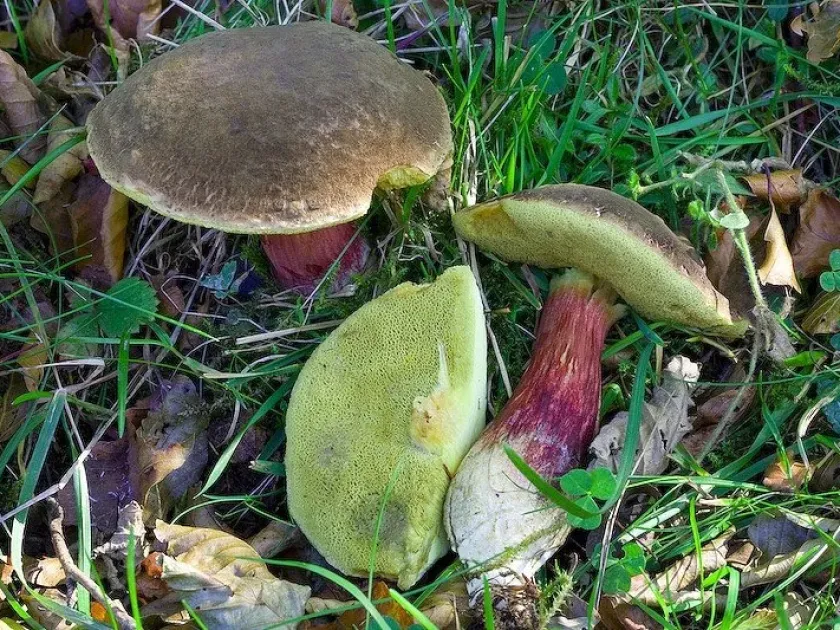
It is characterized by a dark brown or reddish-brown cap with a velvet-like texture that often appears matte or dusted.
The pores under the cap are bright yellow and remain largely unchanged when bruised, distinguishing it from other similar species.
The stem is sturdy and yellowish, usually lacking the distinct net-like pattern often found in other related bolete mushrooms.
The presence of mycelium in the soil around trees indicates a mycorrhizal relationship, which is beneficial to plant life.
Pathogen
This fungus is not a pathogen; it is a macromycete that exists in a symbiotic relationship with trees, such as oaks and conifers.
Its biological cycle is strictly mycorrhizal, meaning it supports nutrient uptake for its host tree rather than attacking it.
The fungus does not possess mechanisms to penetrate or destroy plant tissues, nor does it release toxins harmful to crops.
It reproduces through spores that germinate in organic matter, forming a complex underground network known as mycelium.
Labeling this species as a plant disease is a botanical error, as it is a natural and beneficial part of woodland ecosystems.
Conditions for development
Fruit bodies typically emerge in late summer and autumn, triggered by increased rainfall and moderate air temperatures.
The Velvet bolete thrives in acidic or neutral soils rich in organic matter, often found at the edges of forests or in mature gardens.
An optimal temperature range for fungal activity is between 15 and 22 degrees Celsius, providing the right conditions for growth.
Adequate soil moisture is essential for the formation of the mushroom's reproductive organs, known as fruit bodies.
The species prefers environments where the soil structure remains stable and undisturbed by intensive agricultural tilling.
Why it matters
The Velvet bolete poses no threat to vegetable, fruit, or ornamental crops and does not contribute to plant mortality.
There is no economic damage or reduction in yield associated with the presence of this mushroom in a garden or farm.
It does not compete with crops for resources; instead, it aids the host trees by extending the reach of their root systems.
No agricultural studies have ever classified this species as a pest or a causative agent of any necrotic plant diseases.
Gardeners should view the presence of these fungi as an indicator of a healthy, biologically active soil environment.
Protection
No control measures are necessary, as this fungus is an ecological asset rather than a problem to be managed.
If mushroom presence is undesirable for aesthetic reasons, simple manual removal of the fruit bodies is sufficient.
The use of fungicides to treat or prevent the growth of mycorrhizal fungi is strictly advised against as it kills beneficial soil biota.
Maintaining proper drainage and preventing stagnant water in the garden can naturally limit the proliferation of all fungal species.
Education is the best tool, as distinguishing between pathogenic and symbiotic fungi prevents unnecessary and harmful chemical use.
Discussion
No discussions yet — be the first.