
Xenosphaeropsis
Xenosphaeropsis
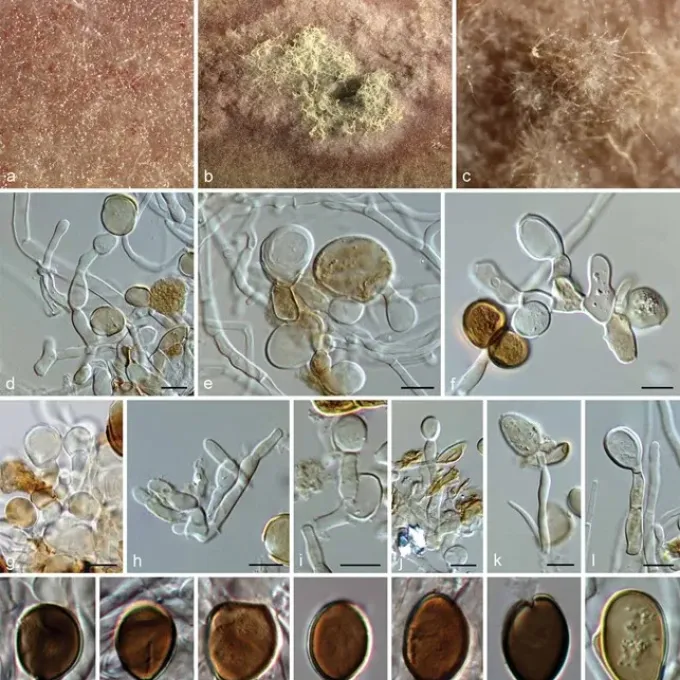
Description
Symptoms
The first signs of infection typically manifest as chlorotic spots on the leaves. These spots eventually enlarge and progress into necrotic lesions, often surrounded by a distinct yellowish halo representing the host's stress response.
Under conditions of high humidity, tiny black dots appear within the necrotic areas, representing the pycnidia of Xenosphaeropsis. This is the most definitive diagnostic feature used by agronomists to identify the infection in the field.
As the disease advances, lesions can coalesce, leading to severe leaf blight and premature senescence. This reduction in active green leaf area significantly impairs the plant's ability to produce energy through photosynthesis.
In cases where the stems are affected, elongated lesions may develop, potentially causing stem breakage or restricted sap flow. This physical damage weakens the plant's structural integrity and impacts nutrient transport.
Late-stage symptoms include deformed growth and compromised quality of fruit or seeds. Plants suffering from severe infection display stunted development, wilted foliage, and a generally distressed appearance.
Pathogen
The disease is caused by the microscopic fungus Xenosphaeropsis, which belongs to the class of deuteromycetes. The pathogen reproduces primarily through asexual spores formed in specialized fruiting bodies known as pycnidia.
The fungus survives the dormant season as mycelium or spores within crop residues. When favorable environmental conditions return, the pathogen initiates the infection process, penetrating plant tissues through natural openings like stomata.
As a specialized parasite, Xenosphaeropsis thrives by extracting nutrients from the host, gradually debilitating the plant's physiological functions. Its biological strategy relies on rapid colonization followed by the production of numerous conidia for further dissemination.
Spore dispersal is highly efficient, facilitated by rainfall splashes, wind currents, and mechanical contact. This allows the pathogen to spread across fields rapidly once the initial infection establishes a foothold.
The genetic adaptability of the fungus poses a challenge for crop breeders, as resistant varieties may eventually be overcome by evolving strains. Continuous monitoring and integrated management are essential to maintain crop health.
Conditions for development
High relative humidity, typically exceeding 75%, is the primary environmental trigger for the development of the disease. Prolonged periods of rainfall, heavy dew, or mist create an ideal microclimate for spore germination and colonization.
The fungus shows optimal growth at temperatures between +20°C and +26°C. These moderate to warm temperatures, combined with moisture, create perfect conditions for rapid outbreaks during the active growing season.
Poorly ventilated or overly dense crop canopies trap moisture and create stagnant conditions that promote fungal activity. Proper spacing and canopy management are vital to reduce the risk of localized epidemics.
Plants under nutrient stress, particularly those lacking potassium or phosphorus, exhibit lower resistance to Xenosphaeropsis. Adequate fertilization is necessary to ensure the plant's natural defense systems remain robust.
Existing crop debris from previous cycles serves as the main reservoir for the pathogen. Fields where hygiene standards are not maintained face a higher risk of recurring infections year after year.
Why it matters
The primary economic impact of the disease is the significant loss of yield caused by reduced photosynthetic capacity. Premature leaf death deprives the plant of the resources needed for grain or fruit filling.
In addition to quantity losses, the infection leads to lower quality standards, resulting in shriveled seeds or discolored fruit. Such produce often fails to meet market requirements, leading to reduced value.
Infected seeds can act as long-distance vectors for the disease, potentially spreading the pathogen to unaffected areas. This necessitates rigorous seed treatment and certification programs in commercial farming.
Weakened plants are far more susceptible to secondary infections and environmental stresses, such as drought or heat. This cumulative impact often results in complete failure of crop sections in heavily infested fields.
Control costs represent a significant burden, as multiple fungicide applications may be required to curb the spread. If left unchecked, the pathogen can cause localized epidemics that demand expensive interventions.
Protection
Crop rotation is the most effective cultural control method, disrupting the life cycle of the fungus by ensuring that host crops are not planted in the same field for several consecutive seasons.
Deep tillage helps bury infected plant residues, accelerating their decomposition and reducing the initial inoculum pressure in the soil. Using high-quality, treated seed is also a critical step in prevention.
- Application of systemic fungicides at the onset of symptoms.
- Balanced soil fertilization to enhance plant vigor and resistance.
- Selection of resistant cultivars through breeding programs.
- Rigorous field monitoring to identify and isolate infection foci.
- Removal of weeds that serve as alternative hosts for the pathogen.
Integrated Pest Management (IPM) strategies, which combine cultural, biological, and chemical methods, provide the most sustainable path for controlling the disease. Monitoring threshold levels helps avoid unnecessary pesticide use.
Maintaining high agronomic standards, such as optimal plant density and timely weed management, creates a competitive environment that limits the pathogen's ability to establish itself within the crop.
Discussion
No discussions yet — be the first.