
Xenosperma
Xenosperma
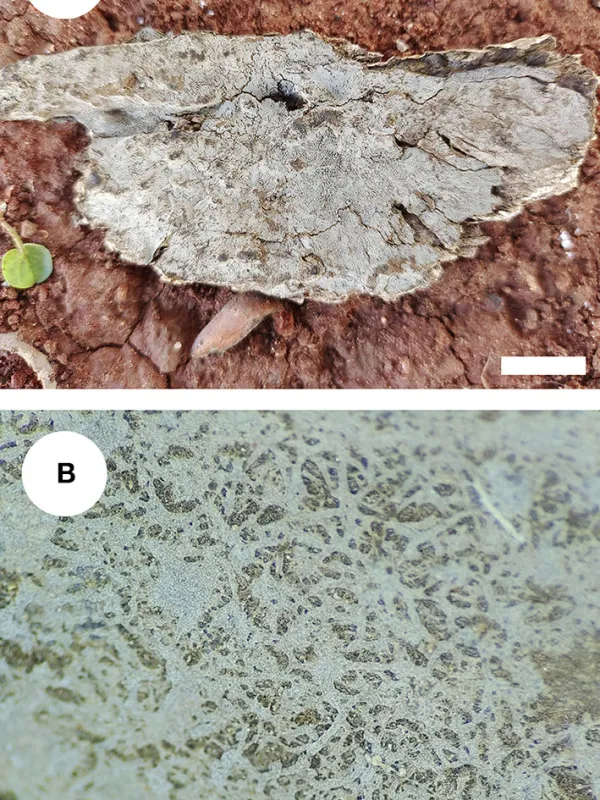
Description
Symptoms
The main sign of infestation is the appearance of thin, flat, or slightly membranous fungal fruit bodies on the tree bark. They often have a whitish or yellowish tint and a specific waxy texture, which stands out noticeably against healthy bark.
In areas where the mycelium develops, there is a change in the color of the wood—it acquires atypical shades, often becoming softer and fibrous. In advanced stages, tissue delamination occurs, leading to a disruption of normal sap flow.
The plant begins to show signs of general decline: premature yellowing and leaf drop, dieback, and reduced annual shoot growth. As the disease progresses, the crown becomes sparse, indicating severe disturbances in the tree's nutrient transport.
A characteristic symptom is the death of individual branches where fungal growths are visible. In the affected area, the bark often cracks, exposing damaged wood, which serves as an entry point for secondary infections.
When cutting the bark in the affected zone, one can detect thin white mycelial threads penetrating the tissues beneath the surface layer. These threads actively absorb nutrients, depriving the plant of vitality and promoting necrosis.
Pathogen
Xenosperma is a genus of fungi belonging to the Basidiomycota, causing specific types of damage to woody tissues. These microscopic organisms are characterized by the formation of resupinate fruit bodies that adhere tightly to the substrate, making early identification difficult.
The pathogen belongs to the group of wood-decay fungi capable of decomposing lignin and cellulose within plant cell walls. Unlike many other pathogens, Xenosperma often develops as a saprotroph but can switch to a parasitic lifestyle under specific conditions, suppressing the host's immune system.
The biological cycle includes a spore formation stage, where spores are dispersed by wind or insects to damaged areas of bark. Upon germination, the fungal hyphae penetrate deep into the plant's vascular system, producing enzymes that degrade the wood structure.
The fungus prefers moist and shaded habitats, making it dangerous for weakened forest stands and ornamental plants in park areas. High plasticity of the mycelium allows the pathogen to remain viable in adverse environmental conditions for several seasons.
An important biological feature is the slow development of colonies, which means external signs of the disease often appear only when internal tissues are already significantly damaged. This hinders timely diagnosis and requires regular inspection of plantings.
Conditions for development
The primary factor promoting infection development is excessive humidity in the air and soil. The Xenosperma fungus spreads rapidly during prolonged rains, fogs, or when irrigation practices in nurseries are neglected.
Mechanical damage—frost cracks, branch breakage after wind, or traces of pest activity—serves as ideal entry points for fungal spores. Healthy tree tissues are much more resistant to mycelium penetration.
High planting density is also critical, as it limits air circulation and increases humidity within the canopy. Poor aeration creates a favorable microclimate for the germination of pathogen spores on the bark.
Weakening of trees due to micronutrient deficiency or adverse soil conditions makes them vulnerable to infection. A plant with a high metabolic rate is capable of isolating an infection focus, whereas a weakened organism loses this ability.
Temperature serves as a regulator of mycelium development speed. The most active fungal growth occurs in warm seasons, although the pathogen's ability to withstand temperature fluctuations ensures survival in almost all climatic zones.
Why it matters
The main danger of Xenosperma is the destruction of the structural integrity of the trunk and branches. This leads to the loss of the plant's ornamental value, and in the case of large trees, a risk of sudden falling.
Disruption of the conductive system results in the plant's death from physiological dehydration, as the tree cannot effectively transport moisture from roots to leaves. The result can be total stand loss within 2-4 seasons if control measures are not implemented.
The disease negatively affects the productivity of forest management and wood quality, rendering it unsuitable for construction. Infected trees become centers for the spread of fungal spores to neighboring healthy specimens.
The presence of the fungus significantly lowers the plant's immunity, paving the way for colonization by stem pests such as bark beetles. The combined effect of the fungus and pests accelerates the degradation of the stands.
In urban settings, affected trees pose a safety threat to pedestrians and infrastructure due to reduced wood strength. Preventive removal of diseased trees becomes the only way to prevent widespread infestation of park zones.
Protection
The primary control method is conducting sanitary thinning with the mandatory removal and destruction of affected tree parts. All pruned branches showing signs of mycelium must be removed from the site and burned.
When treating individual valuable specimens, damaged bark areas are cleaned down to healthy tissue. The resulting wounds must be disinfected with copper sulfate solutions or specialized fungicidal pastes.
Prevention involves maintaining optimal humidity levels in planting areas and timely pruning of branches to improve canopy ventilation. Using high-quality fertilizers helps strengthen the plant's natural defenses.
To prevent spore spread, it is recommended to perform preventive treatments with broad-spectrum fungicides during periods of high humidity. It is important to monitor the cleanliness of gardening tools, which can transport fungal spores.
- Regular monitoring of tree bark condition.
- Adherence to care practices for weakened trees.
- Use of disinfectants during pruning.
- Timely isolation of infection foci in forest stands.
- Maintenance of high-level agrotechnical standards.
Discussion
No discussions yet — be the first.