
Yellow-green algae
Xanthophyceae
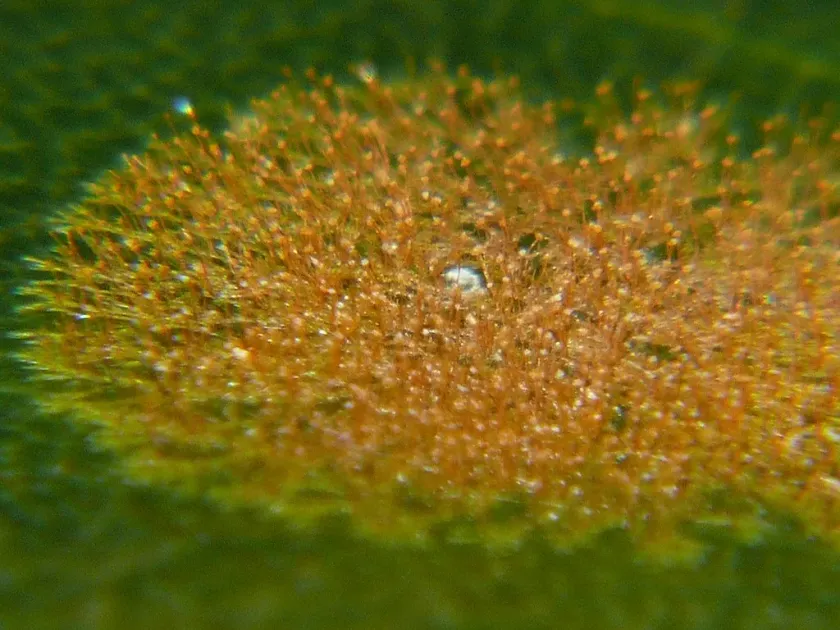
Description
Symptoms
The most visible sign of an infestation is a slimy, yellow-green to brown crust forming on the soil surface. This layer often acts as a physical barrier to water infiltration and gas exchange.
Affected seedlings exhibit stunted growth, chlorosis, and a general lack of vigor. In severe cases, the stems near the soil surface may become soft, leading to potential damping-off symptoms.
Root systems of infected plants often appear discolored, particularly the root tips, which can die due to localized hypoxia caused by the algae-induced soil compaction.
The soil itself becomes hard and non-porous when dry, reflecting the presence of a dried algal biofilm that limits the roots' ability to absorb oxygen and nutrients.
- Development of a greenish-yellow crust on the soil.
- Stunting and chlorosis of young plant tissues.
- Poor aeration due to soil crust formation.
- Browning and decay of root hairs.
Pathogen
Yellow-green algae (class Xanthophyceae) are a group of photosynthetic microorganisms that can occasionally act as pathogens or growth inhibitors in intensive crop production systems. They are distinguished by the presence of specific pigments that give them a characteristic yellow-green color.
These organisms thrive on the soil surface in greenhouse environments or in open fields with high humidity. They belong to the group of algae that can form dense mats, directly interacting with the root systems or the base of young plants.
Xanthophyceae compete with higher plants for essential mineral nutrients. Their rapid proliferation can lead to significant soil surface compaction and an imbalance in the rhizospheric microbiome.
These algae reproduce through various asexual means, allowing them to rapidly colonize areas where moisture and light availability are constant. Their metabolic byproducts can negatively influence the germination and early development of seedlings.
Under specific agricultural conditions, they can form stable populations that persist in the upper soil layers, making their eradication a complex task requiring integrated approaches.
Conditions for development
Excessive moisture is the primary driver for the growth of yellow-green algae. Frequent, shallow irrigation that keeps the top layer of soil constantly wet creates an ideal environment for them.
High nutrient availability, particularly excessive nitrogen fertilization, acts as a fuel for algal growth. When nutrients are concentrated at the surface, these algae can bloom rapidly.
Soil compaction is another critical factor. When soil pores are blocked, the lack of oxygen facilitates the dominance of algal mats, which further prevent proper soil aeration and drainage.
Optimal temperatures ranging from 15°C to 25°C, combined with adequate light, create a perfect setup for the rapid cell division of Xanthophyceae, especially in greenhouse settings.
Poor ventilation and high air humidity in plant production facilities contribute to the overall spread of algal films, which can quickly cover large planting areas.
Why it matters
The main harm caused by these algae is the physical blockage of the soil surface, which leads to root hypoxia. Without adequate oxygen, plant growth is severely restricted or arrested entirely.
Yellow-green algae consume nitrogen and other vital minerals, essentially acting as weeds that steal resources from the target crops during their most vulnerable growth stages.
The production of metabolic toxins by these algae can inhibit seed germination, leading to uneven stands and reduced overall harvest potential.
Furthermore, the physical crust interferes with temperature regulation in the topsoil, potentially leading to overheating or cooling, which adds extra stress to the crops.
In greenhouses, the presence of algal biomass promotes the development of secondary bacterial rot, as the decaying algae provide a food source for other opportunistic pathogens.
Protection
Managing soil moisture is the most effective preventative measure. Implementing deep, less frequent watering helps keep the soil surface dry, making it hostile to algae.
Regular mechanical cultivation or hoeing of the topsoil layer disrupts algal colonies, improves aeration, and helps break the crust that restricts root development.
Chemical control can be achieved through the use of copper-based fungicides or specific algaecides where permitted, which target the photosynthetic machinery of the algae.
Incorporating soil conditioners like sand, perlite, or vermiculite into the substrate improves porosity and drainage, significantly reducing the likelihood of surface colonization.
Practicing good sanitation, including steam sterilization of soil media and cleaning of greenhouse equipment, helps keep populations of Xanthophyceae below the threshold of economic damage.
Discussion
No discussions yet — be the first.