
Virgella
Virgella
Description
Symptoms
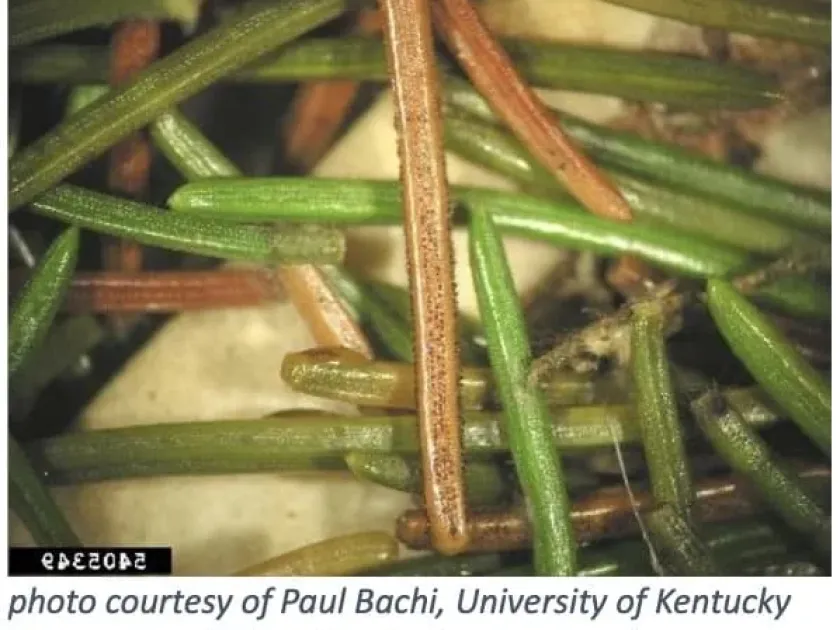
The first sign of the disease is the discoloration of needles, which turn from green to yellow-brown or reddish-brown. This color change often begins at the needle tips and gradually spreads towards the base.
Characteristic dark transverse bands become visible on infected needles, serving as a key diagnostic feature of this pathogen. Later, tiny black spots appear on the needle surface, indicating the development of fungal fruiting bodies.
In spring, elongated, glossy black structures known as hysterothecia emerge on fallen or previous year's needles. These bodies eventually split longitudinally to release spores into the air, spreading the infection.
Needle drop occurs prematurely, resulting in significant thinning of the crown, especially in the lower branches. In severe cases, the tree takes on a sparse, umbrella-like appearance with only current-year needles remaining at the very tips.
Persistent infection weakens the tree, leading to stunted shoot growth and reduced vitality. If left untreated, the tree becomes increasingly susceptible to environmental stress and secondary attacks from other pathogens or pests.
Pathogen
The causative agent of this disease is the ascomycete fungus Lophodermium pinastri. It is a specialized pathogen that primarily targets pine species, particularly Pinus sylvestris, posing a risk to forest nurseries.
The fungus functions as both a parasite on living needles and a saprotroph on shed needles. This dual lifestyle allows it to persist and overwinter in leaf litter, ensuring a steady supply of inoculum for new infections.
The life cycle includes both conidial and sexual spore stages. Spores are primarily dispersed by wind and splashing rain, allowing the disease to travel across forest stands during favorable weather conditions.
The fungus invades needle tissue through the stomata. Once inside, the mycelium colonizes the intercellular spaces, secreting enzymes that destroy plant cells, which eventually leads to the characteristic necrosis.
Due to its high evolutionary adaptability, the fungus can thrive in various climates. Its ability to complete its cycle in both living and dead tissues makes it a resilient and persistent forest pathogen.
Conditions for development
High relative humidity is the most critical environmental factor for the development and spread of Virgella. Frequent mists, dew, and persistent rain during late summer create perfect conditions for spore germination.
Densely planted nurseries with poor air circulation are highly susceptible to outbreaks. When moisture remains trapped within the canopy, the chances of the fungus penetrating the pine needles increase significantly.
Shaded environments, particularly in the lower levels of a forest stand, reduce the tree's overall vigor and provide the cool, damp microclimate that the pathogen prefers for optimal growth.
Poorly drained soils or low-lying areas where cold air and humidity settle create hotspots for infection. Improper agricultural practices, such as excessive seeding rates, further exacerbate the risk of a widespread outbreak.
Unusually warm and wet autumn weather prolongs the infection window. This extended period of activity allows the fungus to establish itself more effectively in the needles before the dormancy period begins.
Why it matters
Virgella is particularly devastating for pine seedlings in nurseries and young forest plantations. Severe infection can lead to mass seedling mortality within one or two growing seasons, causing significant financial loss.
The primary impact of the disease is the severe reduction of the tree's photosynthetic area due to premature needle shedding. This directly translates to lower height growth and reduced diameter increment over time.
Trees weakened by the fungal infection have lowered natural defenses, making them prime targets for secondary invaders like bark beetles. This often leads to the death of trees that might have otherwise survived the fungal stress.
In ornamental landscaping, Virgella degrades the aesthetic value of pine trees by causing unsightly browning and crown thinning, often rendering them unusable in high-end park or garden settings.
The disease disrupts natural forest succession and impedes reforestation efforts. Large-scale outbreaks can necessitate costly replanting programs and ongoing maintenance to keep the forest stand healthy.
Protection
Sanitation is the cornerstone of disease management. Removing and destroying infected fallen needles helps to break the disease cycle and significantly reduces the amount of inoculum present in the environment.
Maintaining proper spacing in nurseries is essential to ensure adequate airflow and prevent humidity buildup. Regular weeding and maintaining healthy, vigorous seedlings can significantly enhance their natural resistance.
Fungicide applications are effective when timed correctly with spore release, typically in late summer and early autumn. Copper-based products or systemic fungicides are standard choices for protecting young trees.
Providing proper tree nutrition and ensuring well-drained soil helps maintain tree health. A healthy tree is more capable of compartmentalizing infections and resisting damage from fungal pathogens.
Early detection through regular field inspections is vital. If an outbreak is identified early, targeted fungicide treatments and the immediate isolation of infected zones can prevent the disease from spreading throughout the entire plantation.
Discussion
No discussions yet — be the first.