
Vibrissea truncorum
Vibrissea truncorum
Description
Pathogen
Vibrissea truncorum is an ascomycete fungus well-known in mycology for its preference for submerged or waterlogged wood. It acts as a primary saprotroph within aquatic forest environments.
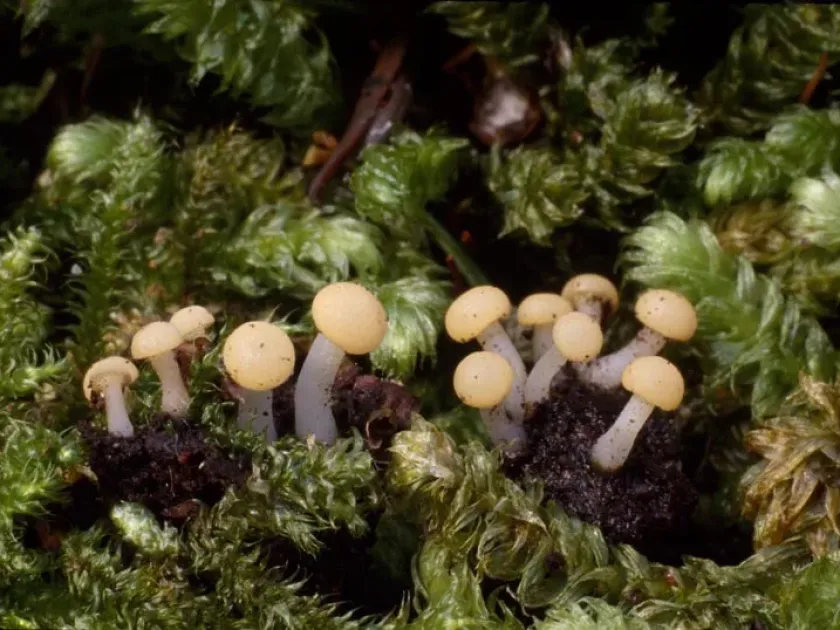
The fungus produces small, distinctive clavate (club-shaped) apothecia, typically displaying vibrant yellow or orange hues. These fruiting bodies are the main indicator of the presence of the fungal colony.
The mycelial network deeply penetrates the host substrate, secreting extracellular enzymes to degrade complex woody polymers. This biological process is essential for nutrient cycling in stream-side habitats.
While often mistaken for a pathogen due to its effect on wood, it does not attack living, healthy plants. Its ecological role is strictly limited to the decomposition of dead woody debris.
Taxonomically, the species is classified within the family Vibrisseaceae. Its unique biology allows it to thrive in anaerobic or low-oxygen environments where terrestrial fungi cannot survive.
Conditions for development
The development of Vibrissea truncorum is strictly dependent on moisture availability. It is almost exclusively found in riparian zones, wetlands, or directly on submerged timber in woodland streams.
Temperature fluctuations in temperate zones dictate the seasonality of its reproduction. Optimal conditions for the maturation of its fruit bodies are typically found during cool, wet periods of the year.
Acidic environments, which are common in many forest ecosystems, support the growth of this fungus. High pH levels or overly arid conditions significantly inhibit the spread of its spores.
The fungus relies on water currents as the primary vector for spore dispersal. By moving through the water column, the spores colonize new pieces of driftwood or fallen branches.
Substrate stability is also a factor; the fungus thrives on timber that remains stationary in water for extended periods, allowing the mycelium to fully establish itself within the organic matrix.
Discussion
No discussions yet — be the first.