
Vezdaea aestivalis
Vezdaea aestivalis
Description
Symptoms
The primary sign of its presence is the appearance of minute, pinpoint-like fungal structures visible mainly upon close inspection.
Areas colonized by Vezdaea aestivalis may show slight discoloration of the underlying moss or bark, indicating biological activity.
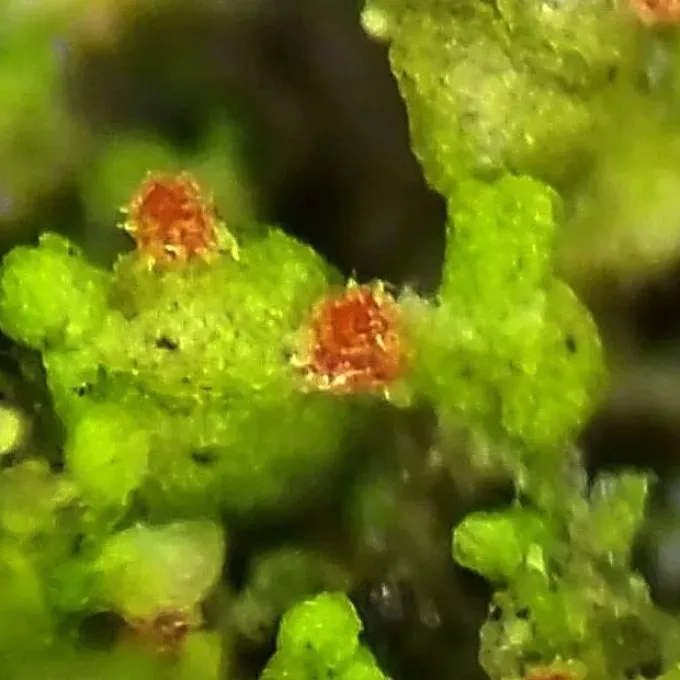
Magnified observation reveals the specific morphology of the spore-bearing disks characteristic of the genus Vezdaea.
The fungus often presents as a granular or dusty layer covering the surface of dead plant tissues or old wood.
Identifying this species in the field can be challenging due to the extremely small size of its reproductive organs.
Pathogen
Vezdaea aestivalis is a rare species of lichenized or lichenicolous fungus characterized by its complex biological interaction with the environment.
Unlike aggressive phytopathogens, it typically acts as a saprotroph or a facultative commensal on the surface of mosses and bark.
The fungus produces microscopic, distinctive apothecia, which are the main structures for reproduction and dispersal in this species.
Its life cycle is closely linked to the presence of specific biological substrates that provide the necessary nutrients and humidity.
The biological nature of this fungus allows it to thrive in diverse microclimates, often appearing as a thin, textured film on substrates.
Conditions for development
Consistent high humidity and moist substrates are the most critical factors for the development and survival of this fungus.
It prefers shaded environments where air circulation is restricted, allowing moisture to persist on the surfaces for extended periods.
Moderate temperatures during the growing season facilitate the active sporulation and colonization of new substrates.
The fungus requires organic substrates like moss or decaying organic matter to establish its mycelial network effectively.
Sheltered microclimates, such as the northern side of tree trunks, provide the optimal stability for its long-term growth.
Why it matters
The species does not cause direct economic damage to crops and is not considered a significant agricultural pathogen.
Its presence on tree trunks is primarily aesthetic, although excessive growth might slightly interfere with the bark surface gas exchange.
In neglected orchards, it can be an indicator of high humidity and poor air circulation, which are undesirable conditions for tree health.
The accumulation of such organisms may create small micro-habitats for potential orchard pests to overwinter.
Overall, the harm caused is negligible, and it is usually viewed as part of the natural epiphytic community of a garden.
Protection
Effective management focuses on improving the environmental conditions within the orchard rather than chemical eradication.
Pruning the canopy is essential to improve airflow and sunlight penetration, which naturally dries the bark and suppresses fungal growth.
Physical removal of old, loose bark and moss from trunks eliminates the primary habitat for the fungus.
Applying traditional lime washes to the trunk can alter the surface pH, creating an environment inhospitable for lichenized fungi.
Maintaining proper garden hygiene ensures that humidity levels remain within the optimal range for plant growth rather than fungal colonization.
Discussion
No discussions yet — be the first.