
Reed rust
Uromyces lineolatus
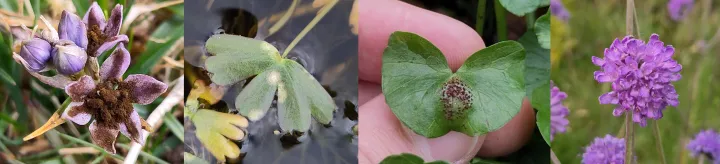
Description
Symptoms
The most visible symptom is the appearance of elongated, rust-colored pustules on the surface of the reed leaves and stems.
As the spores mature, the epidermis of the host plant ruptures, releasing a characteristic rusty dust that easily spreads to surrounding plants.
Infected areas often show signs of necrosis, with the tissue around the pustules turning yellow and eventually drying out completely.
The structural integrity of the reeds is severely compromised, leading to premature wilting and weakening of the stems.
Black pustules may appear later in the season as the fungus shifts its lifecycle phase to produce overwintering spores.
Pathogen
The causative agent of this disease is the specialized fungus Uromyces lineolatus, which belongs to the Basidiomycota division.
This pathogen exhibits a heteroecious life cycle, meaning it requires different host plants to complete all stages of its development.
The fungus produces various types of spores, with urediniospores being primarily responsible for the rapid spread of the disease during the growing season.
The mycelium grows within the plant tissues, extracting nutrients and disrupting the internal structure of the reed stalks and leaves.
Survival through winter is achieved via teliospores that persist on dead plant debris, awaiting favorable conditions for germination the following year.
Conditions for development
High humidity and prolonged periods of leaf wetness are the primary requirements for the infection process of Uromyces lineolatus.
The optimal temperature range for the development of this fungus lies between 18 and 24 degrees Celsius, typical for late spring and summer months.
Dense, overgrown reed beds with poor air circulation create a localized microclimate that significantly facilitates the transmission of spores.
Frequent rainfall or persistent fog enhances the viability of spores on the surface of the plants, increasing the rate of new infections.
Plants under physiological stress or those damaged by insect feeding are generally more susceptible to successful pathogen colonization.
Why it matters
Reed rust significantly reduces the quality of the reed crop, making it unsuitable for traditional uses such as thatching or wickerwork.
The disease impairs the plant's ability to perform photosynthesis, leading to stunted growth and reduced vigor throughout the season.
Severe infestations can lead to the widespread collapse of reed stands, impacting the local ecosystem that relies on them for habitat.
The accumulation of weakened plant biomass can alter the decomposition processes in aquatic environments where these reeds grow.
Overall, the infection reduces the long-term survival rates of reed stands by limiting the energy reserves stored in the rhizomes for winter.
Protection
Sanitation is the most effective management strategy, which includes removing and destroying infected plant debris before the next growing season.
Promoting better air circulation within reed stands through controlled harvesting can help reduce the humidity levels favoring fungal growth.
Monitoring reed health on a regular basis helps in identifying early signs of infection, allowing for localized control measures.
While chemical fungicides are an option, their application near water bodies must be handled with caution to prevent environmental contamination.
Maintaining optimal water levels and preventing overcrowding are key preventive measures to strengthen the resistance of reed populations.
Discussion
No discussions yet — be the first.