
Gladiolus rust
Uromyces gladioli
Description
Symptoms
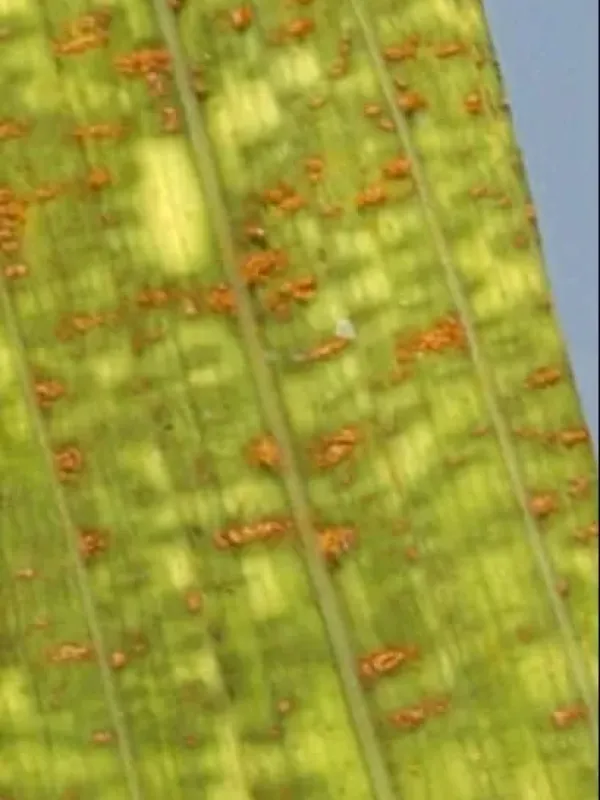
The first symptoms appear as small, chlorotic spots on leaves and stems during early summer. These spots soon develop into raised, rust-colored pustules containing fungal spores.
When the pustules mature, they rupture, releasing a reddish-brown powder consisting of masses of urediniospores. This powder is easily spread to healthy tissues and neighboring plants.
Severe infections cause premature yellowing, curling, and drying of the foliage. The plant loses its photosynthetic efficiency, which significantly stunts the development of the corm.
Flower stalks may become twisted or distorted if the rust infection is heavy. Blossoms often fail to open properly or wither prematurely, destroying the aesthetic value of the plant.
Regular monitoring of the lower leaves is crucial, as this is where the primary infection sites usually manifest. Detecting these rust-colored spots early is the key to preventing a widespread outbreak.
Pathogen
The causative agent of the disease is the fungus Uromyces gladioli, a specialized basidiomycete pathogen. It acts as an obligate parasite, primarily attacking plants of the Iridaceae family.
The fungus survives in the soil and on plant debris as teliospores, which are highly resistant to adverse winter conditions. During the growing season, it spreads via urediniospores carried by wind, rain splashes, or insects.
The infection enters the plant tissue through stomata. Once inside, the mycelium spreads through the intercellular spaces, absorbing nutrients and disrupting the plant's physiological processes.
The biological cycle is heavily dependent on environmental conditions. In humid weather, the pathogen produces numerous spores that break through the epidermis, creating visible pustules for further dispersal.
Because it is a highly specialized pathogen, Uromyces gladioli can cause rapid epidemics in commercial gladiolus fields and home gardens if left unmanaged.
Conditions for development
High humidity and frequent rainfall are the primary drivers of gladiolus rust. Moisture on the foliage provides the necessary environment for the germination of fungal spores.
Optimal temperatures for the fungus range from +18°C to +24°C. Under these conditions, the incubation period is significantly shortened, allowing the disease to spread rapidly.
Crowded plantings that lack adequate airflow are highly susceptible. Stagnant air allows humidity levels to remain high within the foliage, promoting rapid fungal growth.
Excessive nitrogen fertilization encourages lush, soft growth, which is more easily penetrated by fungal hyphae. Balanced nutrition is essential to maintain plant resistance.
Poor crop rotation increases the inoculum potential in the soil. Planting gladioli in the same spot for consecutive years significantly elevates the risk of infection from overwintering spores.
Why it matters
The main impact is the loss of decorative value, rendering the flowers unsuitable for floral arrangements or landscaping. A severe outbreak can lead to significant yield losses.
By damaging the foliage, the disease restricts nutrient storage in the corm. This results in small, weak corms that have poor vigor and low survival rates during winter storage.
Infected plants are more prone to secondary infections, such as Fusarium wilt or bacterial soft rot. Weakened plants often fail to survive storage and rot before the next planting season.
Economic losses are compounded by the costs of fungicide applications and the disposal of destroyed plants. Preventing the disease is much more cost-effective than managing an established infection.
For breeders, the disease is particularly harmful, as it can lead to the loss of precious varieties that might be especially sensitive to Uromyces gladioli.
Protection
The cornerstone of management is the immediate removal and destruction of infected plants. Thoroughly cleaning up all plant debris at the end of the season prevents the fungus from overwintering.
Effective control involves applying copper-based fungicides or systemic triazole-based products. Sprays should be applied at the first sign of symptoms, repeating as recommended by the label.
Space plants adequately to ensure good air circulation. Avoid overhead watering, as wet leaves are the primary gateway for fungal infection; prioritize drip or base irrigation instead.
Corm treatment (disinfection) before planting is essential to eliminate pathogens carried on the bulb surface. This proactive step provides a clean start for the new season.
- Follow strict crop rotation (at least 3-4 years).
- Select disease-resistant gladiolus varieties.
- Keep the planting area free of weeds that may host the fungus.
Discussion
No discussions yet — be the first.