
Geranium rust
Uromyces geranii
Description
Symptoms
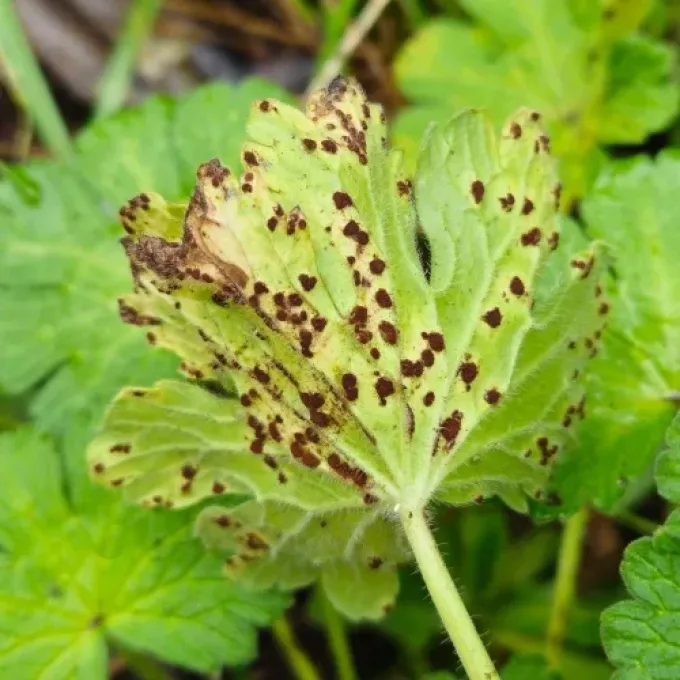
The first visual sign consists of small chlorotic spots on the upper side of the leaf blade. Over time, the epidermis on the underside of the leaf ruptures, revealing rusty-brown or reddish-brown pustules (sori).
Affected leaves begin to yellow and curl prematurely. In cases of heavy infestation, mass leaf drop is observed, which drastically reduces the intensity of photosynthesis and weakens the entire plant.
On stems, the infection may appear as elongated pustules. In advanced cases, the affected areas of the stem darken, and one may observe deformities or stunted growth of the shoots.
In high humidity conditions, a characteristic powdery coating consisting of masses of spores may appear around the pustules. This is a primary indicator that the plant has become an active source of infection for neighboring specimens.
- Yellowing and deformation of leaf blades.
- Rusty-brown pustules on the underside of leaves.
- Premature dropping of infected foliage.
- Stunted growth and general plant weakening.
Pathogen
The causative agent of this disease is the specialized basidial fungus Uromyces geranii. It is a highly specialized parasite that primarily targets wild and cultivated species of the Geraniaceae family.
This is a fungal disease categorized as rust, which manifests through the development of distinct spore pustules on the plant's vegetative parts. The fungus completes several stages in its life cycle, ensuring survival under various environmental conditions.
The infection persists in the soil and on plant debris as overwintering spores. In spring, under favorable conditions, these spores germinate and infect young stems and leaves through stomata or minor tissue wounds.
The pathogen grows within the host tissue, forming a mycelium that extracts nutrients from plant cells. This process leads to the gradual exhaustion of the geranium and a noticeable decline in its overall health and vitality.
The life cycle of the fungus includes the formation of uredinia and teliospores. These stages are the most visible to the grower, as they mark the creation of mass spore clusters on the foliage.
Conditions for development
The development of the fungus is favored by moderate temperatures combined with high humidity. Spore dispersal is most active during prolonged periods of rain or heavy overhead irrigation.
Dense plantings create a microclimate with poor ventilation, which is a critical factor for the onset of an epidemic. Stagnant air prevents leaves from drying quickly after dew or rainfall.
Lack of proper pruning and sanitation also facilitates the accumulation of infectious material. Spores are easily carried by wind, splashing raindrops, or when handling plants with contaminated tools.
Improper fertilization, particularly excessive nitrogen, reduces the natural resistance of geraniums. Plants with overgrown, succulent tissues become more accessible targets for fungal mycelium penetration.
Seasonal fluctuations in temperature, characterized by cool nights and warm days, often trigger the formation of surface moisture, which is essential for spore germination on the leaves.
Why it matters
The damage caused by rust lies in the disruption of the geranium's physiological processes. The loss of significant leaf mass deprives the plant of the energy required for flowering and winter preparation.
Metabolic processes and the plant's water balance are compromised. This makes the geranium susceptible to secondary infections and pest attacks, which frequently target already weakened specimens.
If the disease is not managed, the plant may die completely during the season or lose its ornamental value, which is unacceptable for commercial nurseries and professional gardeners.
The infection tends to accumulate in the soil. Without intervention, geraniums will suffer more severe damage each year, turning from an ornamental highlight into a persistent fungal disease reservoir.
The economic impact involves costs related to fungicide application, loss of nursery stock, and the labor required to restore the health of the collection following a disease outbreak.
Protection
Prevention is the primary approach: purchase only healthy plant material and maintain proper spacing between plants to ensure sufficient air circulation.
Regular removal and destruction of infected leaves and stems are essential. Ensure that infected debris is not added to compost piles, as spores can remain viable.
The use of systemic and contact fungicides is effective during the early stages of the disease. It is recommended to use copper-based products or specialized fungicides designed to combat rust fungi.
Watering should be performed strictly at the base of the plant to avoid wetting the leaves. This minimizes the risk of spore spread and creates a less favorable environment for their germination.
Maintaining good cultural practices, including the application of potassium and phosphorus fertilizers, helps strengthen the geranium's immune system. Healthy, robust plants exhibit increased resistance to Uromyces geranii.
Discussion
No discussions yet — be the first.