
Milkweed rust
Uromyces asclepiadis
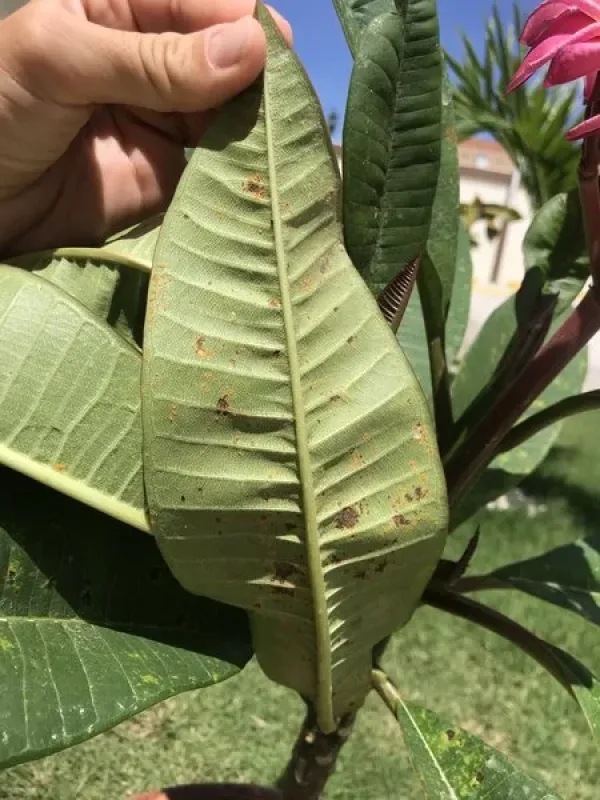
Description
Symptoms
The most visible symptom of milkweed rust is the development of circular to irregular spots on the leaves, which quickly progress into erumpent, powdery pustules.
These pustules typically exhibit a rusty-orange to dark brown coloration, which is the characteristic visual marker for this type of fungal pathogen.
Initial infection might appear as small chlorotic flecks on the upper leaf surface, which later correspond to the sporulating structures on the underside of the leaf.
Severe infestations cause extensive yellowing (chlorosis), leaf curling, and premature defoliation, which severely compromises the physiological status of the plant.
In cases of heavy infection, the fungus can also colonize stems, leading to stunted growth, twisting, and in extreme cases, the death of individual stems or entire plants.
Pathogen
Milkweed rust is caused by the fungus Uromyces asclepiadis, an obligate parasite specifically targeting plants in the Asclepias genus. This fungus is a member of the Basidiomycota phylum.
The pathogen utilizes a complex life cycle, producing various types of spores that allow it to survive diverse environmental conditions and spread efficiently between host plants.
Infection begins when spores land on the leaves and germinate, penetrating the host tissue through stomata. The fungal mycelium then develops within the intercellular spaces, absorbing nutrients from the plant cells.
The fungus produces pustules on the leaf surface, which eventually rupture the epidermis to release clouds of urediniospores, ready for secondary infection cycles.
Because the fungus is highly host-specific, it poses a localized but significant risk primarily to milkweed populations, often impacting both wild and cultivated stands.
Conditions for development
The development of Uromyces asclepiadis is heavily dependent on moisture. High humidity, frequent rainfall, or heavy morning dews provide the necessary surface wetness for spore germination.
Optimal temperatures for the fungus range from 18°C to 24°C, which are often observed during the peak growing season, making it the most active period for disease progression.
Dense plantings, which limit airflow and create a humid microclimate within the leaf canopy, are particularly susceptible to rapid disease expansion.
The disease spreads primarily through windborne spores and rain splash, allowing the pathogen to move quickly throughout a garden or field under favorable weather conditions.
Infected plant debris serves as the primary overwintering site for the fungus, harboring spores that will re-infect new growth the following spring.
Why it matters
The primary harm caused by milkweed rust is the reduction in photosynthetic capacity, as the fungus damages large areas of leaf tissue and depletes the plant's nutrient reserves.
By weakening the plant, the rust fungus increases vulnerability to other environmental stressors, including drought and insect infestations, which can further reduce plant longevity.
For conservationists and gardeners, the disease is problematic as it diminishes the overall beauty and ecological health of the milkweed plants that are essential for pollinators.
In commercial settings, high levels of rust can lead to significantly reduced biomass production and loss of overall plant vigor.
Severe or recurring infection year after year can lead to a gradual decline in the vigor of established perennial milkweed beds.
Protection
The most effective management strategy involves cultural controls, specifically the sanitation of the garden by removing and destroying all infected plant materials at the end of the season.
Proper spacing during planting is crucial to encourage better airflow and faster drying of foliage, which effectively discourages fungal spore germination.
Selecting healthy seeds or nursery stock helps prevent the introduction of the pathogen into new areas, as contaminated plant material is a common source of infection.
If chemical intervention is necessary, targeted fungicide applications during the early stages of symptom appearance can help manage the spread of the fungus.
- Avoid overhead irrigation to keep leaves dry.
- Remove weeds to prevent competition and improve air circulation.
- Apply balanced nutrients to boost natural plant immunity.
Discussion
No discussions yet — be the first.