
Fern rust
Uredinopsis pteridis
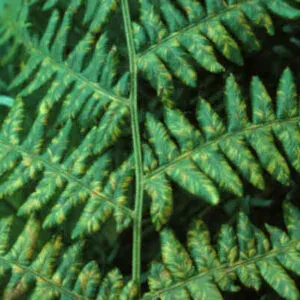
Description
Symptoms
The first observable signs include small, chlorotic (yellowish) spots appearing on the undersides of the fronds during the early stages of infection.
As the disease progresses, these spots develop into raised, rusty-brown or orange pustules containing massive amounts of fungal spores.
The affected fronds start to curl, wither, and show signs of necrosis, leading to a significant decline in the aesthetic appeal of the plant.
A powdery dust, consisting of millions of microscopic spores, can be seen on the foliage, which is a diagnostic feature of rust diseases.
In severe cases, the infestation spreads to the stalks (stipes), eventually causing the entire frond to collapse and die prematurely.
Pathogen
The disease is caused by the fungal pathogen Uredinopsis pteridis, which is an obligate parasite specifically adapted to infest various fern species.
This fungus completes a complex life cycle, often involving different spore stages and sometimes needing an alternate host to survive the winter or complete reproduction.
The mycelium of the pathogen colonizes the intercellular spaces of the fern leaves, extracting nutrients and causing significant stress to the host organism.
Spores are produced in specialized structures known as uredinia and aecia, which erupt through the plant epidermis to release the pathogen into the environment.
Dissemination occurs primarily via wind and water splashes, making the pathogen highly effective at colonizing new host plants within a short distance.
Conditions for development
The development of Uredinopsis pteridis is strongly favored by high relative humidity and prolonged periods of leaf wetness, which are essential for spore germination.
Warm and humid weather conditions accelerate the incubation period of the fungus, leading to rapid disease spread during the growing season.
Poor airflow, often caused by overcrowding plants or dense foliage, creates a microenvironment conducive to fungal growth and spore accumulation.
Shaded and poorly ventilated areas in gardens or greenhouses are hotspots for rust outbreaks because these conditions prevent the leaves from drying out quickly.
Improper irrigation practices, such as overhead watering, create the surface moisture required by the fungus to penetrate the fern tissues.
Why it matters
The rust disease severely impairs the photosynthetic efficiency of the fern, resulting in stunted growth and a general lack of plant vigor.
Severe infestations lead to the premature loss of fronds, which depletes the plant's energy reserves and makes it susceptible to environmental stress.
Fern rust significantly reduces the marketability and ornamental value of ferns, making them unsuitable for both residential landscaping and floral use.
If left unmanaged, the fungus can decimate entire fern collections, spreading rapidly from plant to plant through windblown spores.
The damage caused by the pathogen also creates entry points for secondary bacterial or fungal infections, often complicating the overall health of the specimen.
Protection
Sanitation is the most effective preventive measure; all infected fronds should be carefully removed and destroyed to reduce the inoculum levels.
Proper spacing between plants and regular pruning will improve air circulation, helping to keep the foliage dry and less hospitable to the fungus.
Applying copper-based fungicides or systemic chemical treatments can help control the spread of the disease when symptoms first become visible.
Avoid overhead irrigation and focus on watering at the base of the plant to keep the fronds dry, which significantly inhibits spore germination.
Selecting resistant cultivars and maintaining overall plant health through balanced fertilization can help increase the natural resistance of the ferns.
Discussion
No discussions yet — be the first.