
Umbelopsidaceae
Umbelopsidaceae
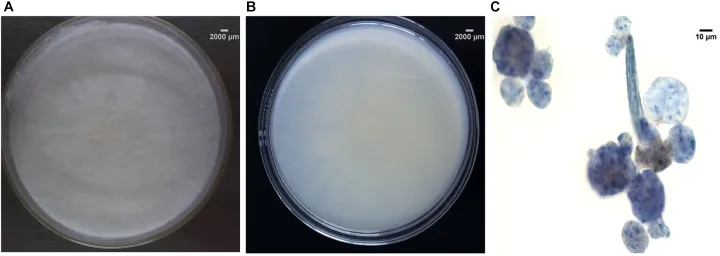
Description
Pathogen
The Umbelopsidaceae family consists of soil-borne fungi that were previously classified within the Mucorales order. These microscopic organisms possess a well-developed mycelium capable of aggressive growth under moisture-rich conditions.
The primary pathogen of interest is Umbelopsis ramanniana, which is widely distributed across agricultural and forest soils. While it functions primarily as a saprotroph, it can act as a pathogen under specific environmental stressors.
The life cycle involves the rapid production of sporangiospores, which facilitate effective dispersal through irrigation water, wind, and contaminated soil particles across fields.
These fungal structures exhibit high resilience to adverse weather conditions. Through the formation of specialized resting spores, the pathogen can survive in soil for extended periods even without a host plant present.
The biological role of Umbelopsidaceae involves the decomposition of organic matter, but in monoculture agricultural systems, this activity often shifts to colonizing crop root systems.
Conditions for development
The proliferation of Umbelopsidaceae is highly dependent on high soil moisture levels. Poorly drained fields or excessive irrigation create the perfect anaerobic environment for fungal colonization.
The fungus prefers acidic soil conditions where its competitive ability against beneficial soil microflora is at its peak. This acidity promotes the development of fungal colonies near the plant root zone.
Temperature plays a crucial role in development, with an optimal range between +15°C and +25°C. During these temperatures, the mycelium spreads rapidly, often targeting young and vulnerable seedlings.
Lack of crop rotation and the accumulation of crop residues significantly increase the inoculum potential of the soil, making subsequent crops more susceptible to infection.
Mechanical transfer is a major factor in distribution. Contaminated farming equipment, tools, and even nursery trays often act as vectors for spreading the pathogen across healthy field zones.
Why it matters
The primary harm caused by Umbelopsidaceae is the destruction of root systems in young plants. The fungus colonizes the root tissue, causing rot that prevents water and nutrient uptake.
Infected plants show clear signs of distress, including stunted growth, wilting during peak sunlight, and yellowing foliage. Eventually, the root structure degrades, leading to plant death.
Damping-off of seedlings is a common observation in greenhouse production. This can lead to total crop failure if the infection is not identified and managed in the early developmental stages.
The impairment of the root system leaves the plant highly vulnerable to secondary pathogens, including various bacteria and other opportunistic fungi, which often complicate recovery.
Economic losses are significant, especially in high-density planting environments where the fungus can sweep through large areas of seedlings within a few days under humid conditions.
Protection
Effective management of Umbelopsidaceae requires strict moisture control. Improving field drainage and optimizing irrigation scheduling are the first lines of defense for any agricultural operation.
Seed treatment with systemic fungicides is highly recommended, especially in regions with a history of soil-borne fungal issues, to protect the emerging root system.
Implementing a proper crop rotation strategy helps to break the pathogen's life cycle by changing the environment in the rhizosphere, which makes it harder for the fungus to persist.
Sanitation is vital. Removing diseased plant debris immediately after harvest reduces the inoculum load for the upcoming growing season and limits the fungus's ability to overwinter.
- Utilizing disease-resistant crop varieties.
- Applying balanced fertilization to boost plant immunity.
- Regular disinfection of greenhouse structures and equipment.
- Monitoring soil pH levels to maintain an environment less favorable for fungi.
Discussion
No discussions yet — be the first.