
Tyromyces chioneus
Tyromyces chioneus
Description
Symptoms
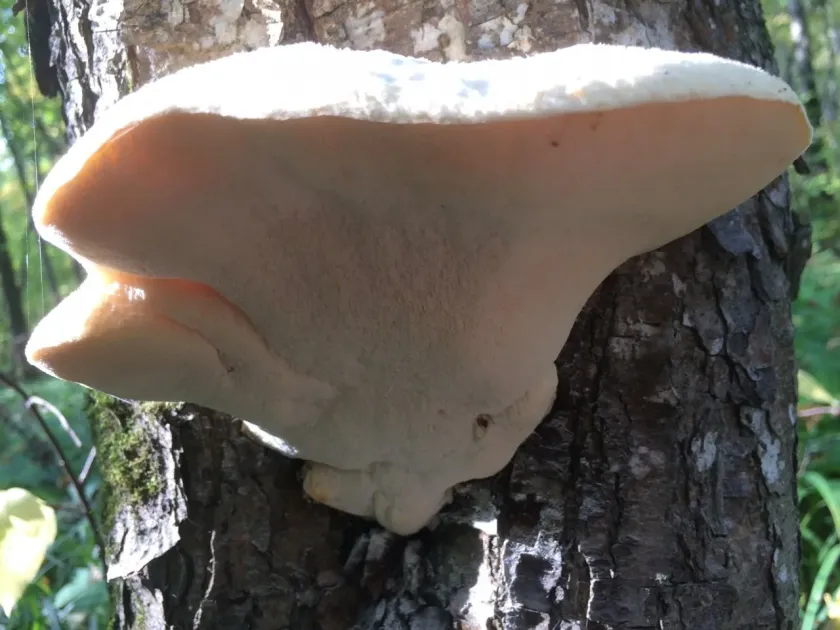
Tyromyces chioneus appears on the trunks and branches of trees as annual, fleshy, and soft fruiting bodies. They are typically white or cream-colored, making them stand out against dark bark.
The caps are often semicircular or shelf-like, with a velvet-like or slightly hairy surface. As the fungus matures or dries out, the texture becomes stiffer and the color can turn yellowish.
The internal tissue of the fungus becomes brittle and powdery when dry, which is a distinguishing feature of this species. Observing these structures is key to identifying the infestation early.
The wood itself undergoes significant changes, exhibiting signs of white rot. The infected areas lose their density and structural integrity, becoming light-colored and spongy over time.
In later stages of the disease, the bark surrounding the fungal growth often cracks and peels away, revealing the decaying wood underneath which is highly susceptible to mechanical damage.
Pathogen
The pathogen responsible is Tyromyces chioneus, a basidiomycete fungus known as a saprotrophic parasite that specifically targets the wood of deciduous trees.
The fungus functions by secreting specialized enzymes that decompose cellulose and lignin, the primary structural components of tree wood. This activity leads to the softening of the interior wood mass.
Reproduction occurs via basidiospores that are dispersed by wind and rain. These spores enter the tree through open wounds caused by pruning, storms, or physical damage to the bark.
Once the spores germinate, the mycelium penetrates deep into the vascular tissue, slowly colonizing the trunk and branches. This internal growth is what eventually leads to the formation of the external fruiting bodies.
While the fruit bodies are generally annual, the mycelium remains active within the tree for several years, continuing to break down the wood as long as moisture and nutrients are available.
Conditions for development
The infection thrives in environments with high humidity and poor ventilation. Trees located in dense or shaded areas are more prone to successful spore colonization.
Physical damage is a primary entry point; failure to seal pruning wounds or bark injuries leaves the tree vulnerable to fungal invasion during the growing season.
Trees that are already stressed due to drought, harsh winter conditions, or nutrient deficiencies exhibit reduced immunity, making it easier for the fungus to establish a foothold.
Mild to warm temperatures, combined with consistent rainfall, create an ideal climate for the rapid development of the mycelium and the subsequent emergence of fruiting bodies.
Proximity to decaying logs or other infected trees increases the spore load in the air, significantly raising the probability of infection in otherwise healthy specimens.
Why it matters
The primary danger posed by Tyromyces chioneus is the severe degradation of the tree's structural integrity. Wood affected by white rot loses its strength, becoming a hazard.
This weakening often leads to the sudden breakage of large limbs or even the collapse of the entire tree under the stress of high winds or heavy snowfall.
The fungus interferes with the tree's internal transport system, hindering the flow of water and nutrients from the roots to the canopy, which leads to branch dieback and reduced yield.
Long-term infestation results in the gradual decline of the tree's health, making it an unsightly and dangerous fixture in the orchard or landscape.
- Loss of structural safety of garden trees.
- Premature leaf drop and branch death.
- Increased vulnerability to secondary pests and pathogens.
Protection
The most important control measure is proper wound management. All pruning cuts must be treated with high-quality wound paint or fungicides to prevent spore entry.
Prompt removal and destruction of any fruiting bodies are necessary. Infected wood should be removed with a margin of healthy tissue and burned to eliminate the source of spores.
Regular maintenance, including the removal of dead or dying branches, helps keep the tree canopy open, improving ventilation and reducing moisture buildup.
For trees that have been severely compromised, removal and stump extraction are recommended. This prevents the fungus from spreading to neighboring healthy trees in the garden.
Preventative applications of copper-based fungicides can be used during the dormant season to lower the overall spore pressure in the environment.
Discussion
No discussions yet — be the first.