
Tylopilus
Tylopilus
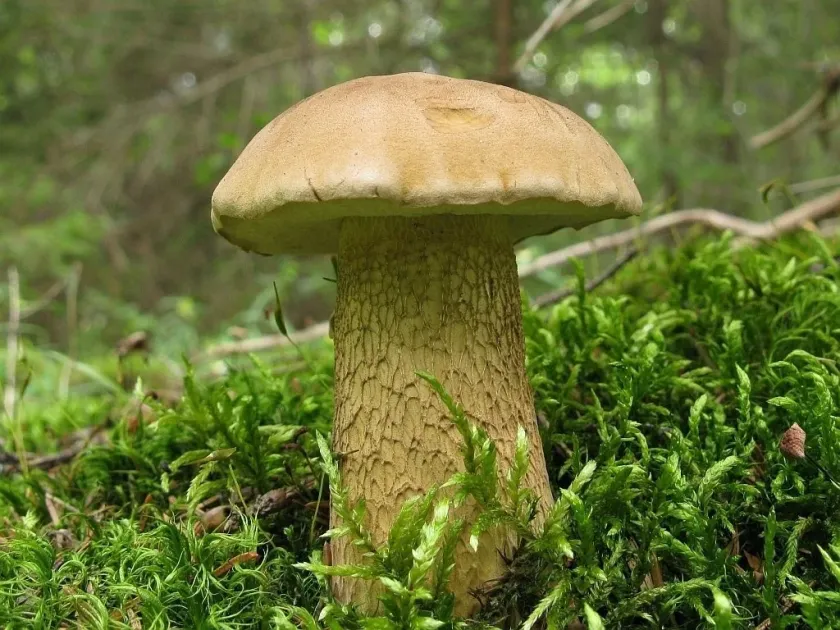
Description
Pathogen
The genus Tylopilus consists of mushroom species that act as mycorrhizal partners rather than plant pathogens. These fungi form symbiotic relationships with the roots of various forest tree species.
The most famous representative, Tylopilus felleus (bitter bolete), is often mistaken for a harmful disease by amateur observers due to its growth near the base of tree trunks.
Biologically, these fungi function as helpers for trees. They extend the root surface area, enabling the plant to absorb more nutrients and water from the soil matrix.
Tylopilus species do not infect living plant tissue, nor do they produce enzymes that break down cellulose or cause tissue necrosis or rot.
In agronomic terms, there is no biological evidence suggesting that Tylopilus is a cause of disease or a vector for plant infections in any cultivated crop.
Conditions for development
Tylopilus development is strictly dependent on the presence of woody hosts in forest-like environments. They thrive in acidic soils rich in humus and decomposed plant material.
These fungi prefer shaded areas where soil moisture is consistent throughout the growing season, preventing the mycelium from drying out.
Temperature range is a critical factor for the production of basidiocarps, with most species requiring moderate temperatures between 15°C and 23°C.
The spread of the fungus is mediated by the release of microscopic spores, which require specific tree root signals to germinate and form new mycorrhizal associations.
Changes in soil pH due to excessive use of mineral fertilizers or fungicides can disrupt the delicate balance required for Tylopilus colonization.
Why it matters
There is zero harm caused by Tylopilus to agricultural crops. They are ecologically beneficial organisms that contribute to soil health and long-term tree vitality.
The only negative aspect of the genus, particularly the bitter bolete, is its intense bitterness, which makes it inedible and undesirable for culinary consumption.
Farmers and foresters do not need to implement any control measures or protective treatments, as the fungus does not threaten crop yield or plant health.
It acts as a beneficial component of forest biodiversity, assisting in the recycling of nutrients within the ecosystem rather than depleting plant resources.
No protection or prevention protocols exist for this genus, as it is classified as a non-pathogenic inhabitant of the forest floor.
Discussion
No discussions yet — be the first.