
Truffle fungi
Tuberaceae
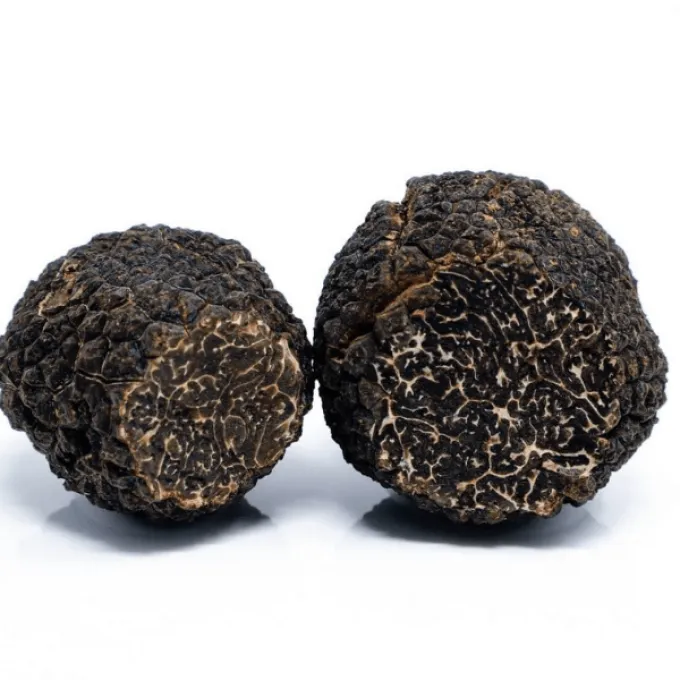
Description
Pathogen
The Tuberaceae family belongs to the Ascomycota division. In an agronomic context, they are not plant pathogens but rather essential symbiotic organisms that establish mycorrhizal relationships with host trees.
These fungi form ectomycorrhizae, where fungal hyphae penetrate the intercellular spaces of roots to form the Hartig net, significantly increasing the root's absorptive surface area.
The fungal mycelium spreads throughout the soil, effectively replacing root hairs and facilitating the uptake of water and mineral nutrients in exchange for host-produced carbohydrates.
Their biological life cycle is strictly dependent on symbiotic associations with specific tree species, such as oak, hazel, or beech, which serve as the primary carbon source for the fungi.
Reproduction occurs through the formation of hypogeous fruiting bodies, known as ascocarps, which contain spores dispersed by soil-dwelling animals and invertebrates.
Conditions for development
Tuberaceae species require precise soil and environmental conditions, typically favoring well-aerated, calcareous soils with a neutral or slightly alkaline pH.
Proper moisture management is critical; while consistent hydration is necessary for mycelial activity, waterlogging leads to rapid decay and inhibits the formation of fruiting bodies.
Soil temperatures must remain within an optimal range to sustain the metabolic activity of the fungus throughout the host tree's growing season.
These fungi thrive in moderately fertile soils, as high levels of organic matter or excessive fertilization can promote competitive microflora that displaces the truffle mycelium.
The stability of the soil ecosystem is paramount, and any drastic changes in chemical composition or disturbance can negatively impact the symbiosis.
Why it matters
While truffle fungi are beneficial in natural forests, their presence in nursery operations can be problematic for seedling development and management.
Heavy colonization by mycorrhizae may divert significant energy resources from the host plant, potentially slowing the shoot growth of young saplings during the establishment phase.
Alterations to the rhizosphere community can impact the overall physiological state of the plant, potentially changing its sensitivity to other soil-borne diseases.
High density of fungal networks in nursery containers can interfere with standard horticultural practices, such as root pruning and transplanting processes.
In cases where specific seedling growth protocols are required, unintended mycorrhizal infection may complicate the standardization of plant material for commercial sale.
Protection
To control or suppress excessive fungal colonization, targeted fungicides that act upon ascomycetes are utilized in intensive nursery management.
Adjusting soil pH by acidification is a highly effective method to inhibit the growth and activity of Tuberaceae species that prefer alkaline conditions.
Cultivating seedlings in sterile substrates within closed or protected environments effectively prevents unwanted mycorrhizal contamination from the outset.
Rigorous phytosanitary protocols regarding nursery stock prevent the unintentional transfer and establishment of truffle spores in non-target agricultural plots.
Deep mechanical cultivation or soil turnover can physically disrupt established mycelial networks, significantly limiting the spread and development of the symbiotic fungi.
Discussion
No discussions yet — be the first.