
Truffle
Tuber
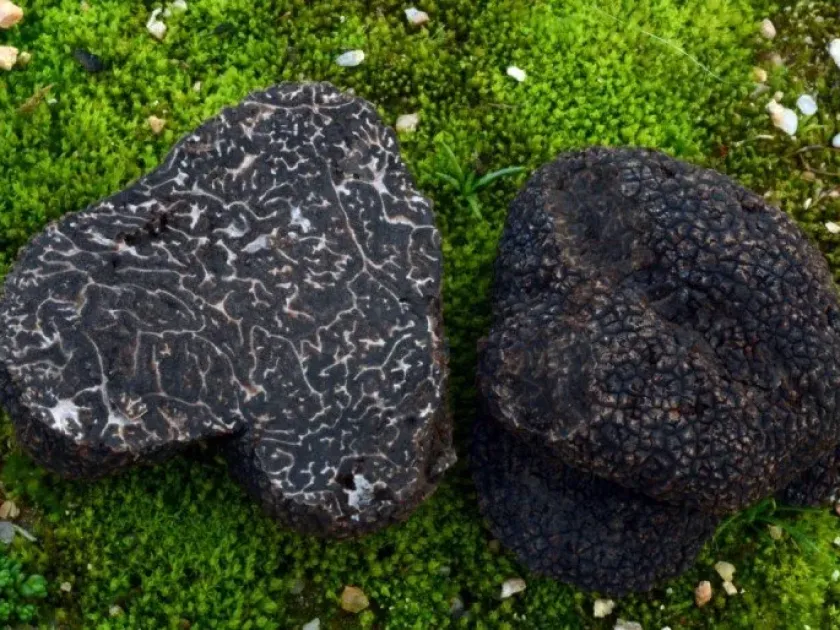
Description
Symptoms
The most visible sign of truffle-related stress is the creation of a "burn" zone (le brûlé) surrounding the tree base. In this area, herbaceous vegetation is largely absent or completely suppressed by the fungal activity.
Host plants show signs of chlorosis, where leaves turn yellow and lose their turgor. Premature senescence and shedding of leaves are common indicators of the stress imposed on the root system.
Growth reduction is another critical sign. The terminal shoots of trees show significantly less annual elongation, and the overall crown density decreases as the tree attempts to conserve resources.
The root system appears darkened and brittle upon inspection, often covered with a dense, white, felt-like fungal mat. The fine root hair layer is typically destroyed, preventing effective uptake of nutrients.
In mature trees, the symptoms manifest as progressive dieback of the upper branches. This decline is often mistaken for drought stress or general forest decline, masking the underlying fungal cause.
Pathogen
Truffle (Tuber) is a genus of ascomycete fungi that are primarily known for their symbiotic mycorrhizal relationships. However, in specific agronomic contexts, certain species can behave as pathogens, disrupting the plant's nutrient uptake and causing physiological stress.
The pathogen spreads through its extensive mycelial network in the soil, which infiltrates the rhizosphere. Unlike beneficial symbionts, aggressive truffle strains can overwhelm the host plant's root system, leading to a state of depletion.
The mechanism of injury involves the secretion of secondary metabolites that alter the soil chemistry around the roots. This process often restricts the host's access to water and essential minerals, effectively starving the plant.
The biology of the fungus includes the production of large amounts of mycelium that physically encase the fine absorbing rootlets. This prevents natural mycorrhizal colonization by beneficial fungi that are essential for tree development.
During its life cycle, the fungus consumes the energy reserves of the tree, which are intended for growth and fruit production. This parasitic-like drain causes a gradual decline in the vigor of the affected plants.
Conditions for development
Truffles thrive in alkaline, calcium-rich soils with a high pH (typically 7.5 to 8.5). These conditions are essential for the fungal mycelium to grow rapidly and exert pressure on host plant roots.
Moderate to high moisture levels in the soil during the growing season promote active expansion of the mycelial network. Excessive water retention in the soil can exacerbate the fungal impact on the root tissues.
Agricultural mismanagement, such as improper fertilization, can disrupt the natural equilibrium. Excess nitrogen can weaken the plant's resistance, making it more vulnerable to colonization by aggressive Tuber strains.
The thermal regime of the soil also plays a role; optimal fungal activity occurs at temperatures between 20°C and 25°C. Lower temperatures tend to slow down the fungal metabolism, whereas warmer conditions increase its impact.
High planting density in orchards or plantations allows for rapid transmission of spores between trees. Close proximity of root systems facilitates the spread of the fungus throughout the entire plot.
Why it matters
The primary harm caused by truffles as pathogens is the reduced productivity and vitality of valuable forest trees and shrub species. This leads to long-term economic losses in silviculture and nursery operations.
The suppression of secondary plant species within the "burn zone" decreases biodiversity and ecological stability of the site. The altered soil chemistry can prevent the re-establishment of healthy vegetation.
Susceptibility to secondary pathogens is a major risk for trees stressed by Tuber activity. Plants that are already weakened by fungal interference are significantly less capable of defending against bark beetles or root rot.
The persistent nature of the fungus in the soil renders the infected area unsuitable for further agricultural use for long periods. The mycelium can remain viable in the soil for years, complicating restoration efforts.
Economic damage is exacerbated by the costs associated with the removal of infected plants and the long-term sterilization or remediation of the soil to prevent further spread of the pathogen.
Protection
Prevention is the most effective management strategy. Conducting thorough soil testing for the presence of Tuber spores before establishing new plantations is critical to avoid long-term issues.
Fungicidal treatments, particularly those using copper-based compounds, can help manage the mycelial expansion. These treatments must be applied carefully to target the fungus without harming the tree's health.
Adjusting soil pH by applying acidifying fertilizers can create a hostile environment for the fungus, effectively slowing its growth and mitigating its impact on the host roots.
Sanitation practices, including the removal of dead or heavily infested trees along with their root systems, are essential to stop the spread of spores to healthy parts of the plantation.
- Strict quarantine regulations to prevent the movement of contaminated soil or plants.
- Monitoring of the rhizosphere for early detection of mycelial colonization.
- Using resilient or tolerant cultivars to minimize the impact of the infection.
Discussion
No discussions yet — be the first.