
Tubakia leaf spot
Tubakia
Description
Symptoms
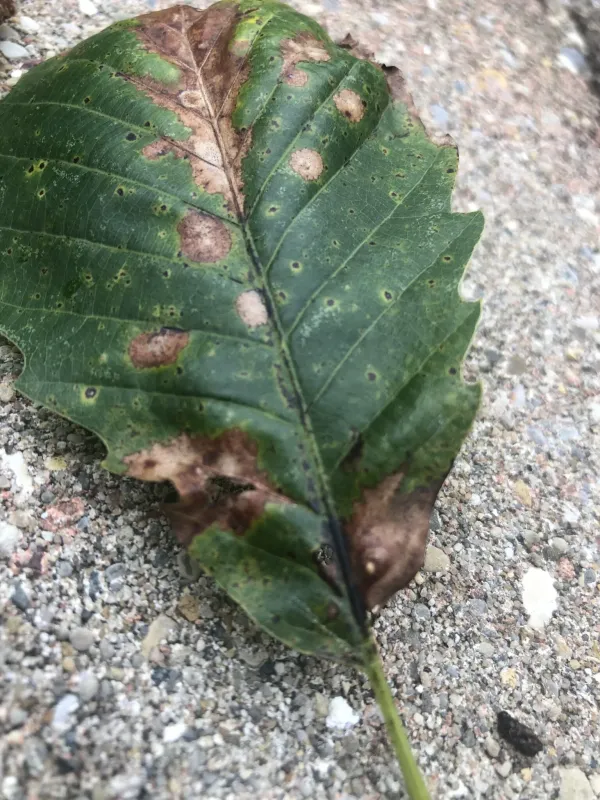
The disease is characterized by the appearance of irregular, brown, or reddish-brown spots on the leaf blades, often appearing mid-to-late summer.
These spots frequently exhibit a dark margin and can vary in shape and size depending on the specific host plant and environmental conditions.
A distinctive feature of Tubakia infection is the formation of tiny, black, pimple-like fruiting bodies (pycnidia) on the underside of the leaf spots.
Severe infections may lead to premature leaf yellowing, browning, and significant leaf drop, which can thin the canopy of the affected tree.
In some cases, the infection can cause twig dieback and the death of buds, significantly affecting the overall health and vigor of the tree.
Pathogen
Tubakia leaf spot is a fungal disease caused by various species of the genus Tubakia, with Tubakia dryina being the most frequently identified pathogen.
This fungus survives through the winter in fallen leaves and on infected twigs, serving as a primary source of inoculum for the next growing season.
The life cycle involves the production of conidia that are dispersed by water splashes during rainfall, infecting new leaves and succulent shoots.
It acts as a facultative parasite, often waiting for the host plant to become stressed before causing severe damage to the foliage.
The biology of Tubakia is complex, as it can infect a wide range of broad-leaved tree species, including oaks, maples, and chestnuts.
Conditions for development
Warm and humid weather conditions provide the perfect environment for Tubakia fungi to germinate and colonize host tissues.
Periods of frequent rainfall or overhead irrigation facilitate the movement of fungal spores from the leaf litter to the lower branches.
Poor air circulation within the tree canopy, resulting from dense planting or lack of pruning, increases the risk of infection.
Trees that are already stressed due to drought, soil compaction, or nutrient deficiencies are significantly more susceptible to the disease.
The accumulation of uncleaned plant debris under the tree is the primary factor driving the annual recurrence of the disease in residential landscapes.
Why it matters
While often considered a cosmetic issue, persistent Tubakia infections can lead to a long-term decline in tree vitality and growth.
The premature loss of leaves limits the tree's ability to produce energy through photosynthesis, weakening its defenses against other stressors.
Repeated annual defoliation cycles can lead to branch dieback, reducing the structural integrity and aesthetic value of the tree over time.
In commercial nurseries, the presence of this fungus can render stock unsellable, leading to substantial economic losses for growers.
Weakened trees become more prone to secondary infestations by opportunistic pests, further jeopardizing the health of the host plant.
Protection
Sanitation is the most critical control measure; rake and dispose of all fallen leaves and debris to remove the primary source of infection.
Pruning out infected branches and improving the overall airflow within the canopy helps to create a less favorable environment for the fungus.
Applying protective fungicides containing copper or other recommended active ingredients can help prevent infections during the early growing season.
Maintaining tree vigor through proper watering, mulching, and fertilization is essential for helping the plant resist fungal attacks.
Regular monitoring of the garden is advised to detect early symptoms, allowing for timely intervention before the disease becomes widespread.
Discussion
No discussions yet — be the first.