
Trypethelium
Trypethelium
Description
Symptoms
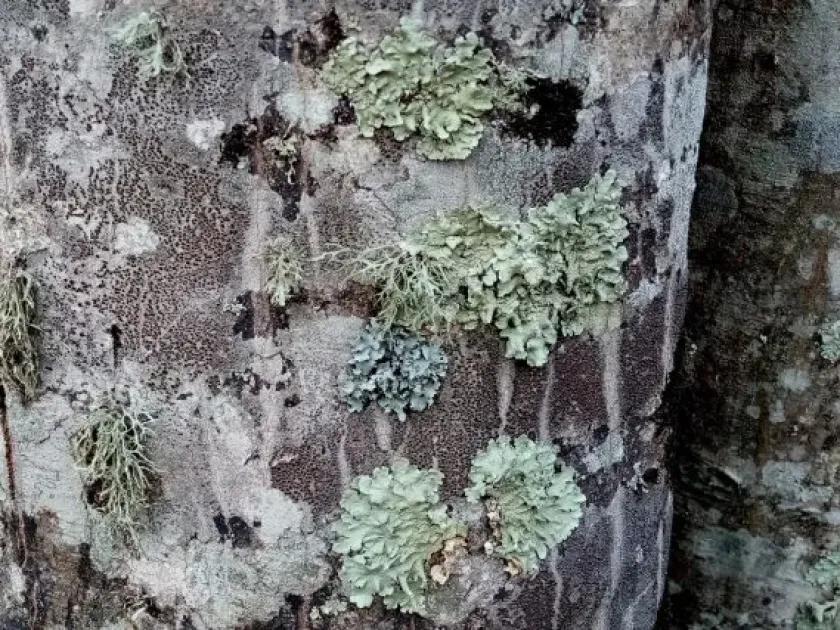
Trypethelium is a genus of lichenized fungi that form crustose growths on the bark of trees. These growths are visually characterized by small, slightly raised patches or bumps that often exhibit yellow, orange, or reddish pigments.
A distinctive diagnostic feature is the presence of numerous small black dots, known as apothecia, which are embedded within the lichen thallus. These structures are often aggregated into stroma, giving the affected bark a rough, granular texture.
Unlike invasive fungal pathogens that cause rapid tissue decay, Trypethelium colonizes the outer bark layers. While it does not kill the tree instantly, its presence is a clear indicator of the bark's surface condition and environmental humidity.
Infections are most commonly identified on trunks and branches in high-humidity environments. Over time, these lichen colonies can expand significantly, covering large portions of the tree bark.
It is important to differentiate Trypethelium from pathogenic fungi that cause rot or wood necrosis. Trypethelium acts primarily as an epiphyte, yet its excessive growth suggests an imbalance in the tree's bark environment.
Pathogen
Biologically, Trypethelium belongs to the order Trypetheliales. These organisms represent a symbiotic relationship between fungi and algae, where the bark serves merely as a structural substrate for attachment.
This type of infestation is classified as an epiphytic growth. While the fungus does not penetrate deep into the cambium, its dense thallus creates a physical barrier that restricts the tree's natural bark functions.
Dispersal is primarily achieved through spores, which are spread by wind or rain splash. Once a spore lands on a suitable bark surface, it germinates to form a new thallus, provided there is enough moisture to establish the symbiosis.
The primary physiological impact on the plant is the obstruction of lenticels, the small pores required for bark respiration. This restriction hinders oxygen exchange, potentially stressing the tree's outer tissues.
This organism is highly specialized to specific bark types and is predominantly found in tropical and subtropical regions where environmental conditions allow for continuous vegetative growth throughout the year.
Conditions for development
The primary factor for the development of Trypethelium is high relative humidity. Consequently, mass propagation is frequently observed in overcrowded orchards where airflow through the canopy is restricted.
Stable moisture levels, combined with diffused sunlight, create an ideal environment for lichen colony expansion. While these organisms can withstand brief dry spells, they require regular hydration to maintain active growth.
Trees with weakened immune systems or poor nutritional status are more susceptible to colonization. A healthy, rapidly growing tree often sheds older bark, which makes it harder for slow-growing lichens to establish permanently.
The lack of proper maintenance, such as regular trunk cleaning or pruning, provides a favorable microclimate for spore attachment and the development of mature lichen thalli.
Geographically, Trypethelium prevalence is closely tied to regions with consistent, warm, and humid climates, where seasonal dormancy for the lichen is largely absent.
Why it matters
The main danger posed by this lichen is the creation of a microhabitat for other pests. The dense layer of Trypethelium provides shelter for scale insects, mites, and other sap-sucking pests, protecting them from predators and pesticides.
By clogging lenticels, the lichen restricts bark respiration. This obstruction leads to the premature aging of the bark and may contribute to cracking, which in turn creates entry points for more aggressive, secondary pathogens.
In commercial orchards, high levels of lichen coverage can diminish the aesthetic value of nursery stock and indicate poor orchard management. Such trees often show signs of stunted growth compared to cleaner counterparts.
While the lichen does not directly extract plant juices, the indirect physiological stress it imposes can reduce the tree's overall vigor and tolerance to winter or drought-related stressors.
In certain instances, excessive lichen growth retains moisture, creating a damp environment that promotes the growth of secondary bark diseases, including various types of canker, which can significantly shorten a tree's lifespan.
Protection
The primary control method involves mechanical cleaning of trunks and main branches to remove dead bark and lichen colonies. This procedure is most effective when performed during the dormant season using stiff brushes or scrapers.
Applying a white lime wash, often mixed with copper-based compounds, is a traditional and effective preventative measure. This treatment raises the pH of the bark surface, making it inhospitable for lichen spores.
Proper pruning is essential for maintaining an open canopy structure, which ensures adequate light penetration and improves airflow. Reduced humidity within the canopy significantly inhibits lichen establishment.
Fungicidal treatments, particularly those based on copper, can be applied in early spring to eliminate spores and prevent the colonization of young bark by epiphytes.
- Thinning out dense canopy areas to increase air circulation.
- Regular fertilization to maintain the tree's health and vigorous growth.
- Sanitary pruning to remove branches heavily infested with lichen.
- Frequent inspections of the bark to identify and treat early stages of infection.
Discussion
No discussions yet — be the first.