
Truncatella
Truncatella
Description
Symptoms
Characteristic symptoms include the appearance of localized necrotic spots on leaves, which often expand and darken over time.
Small, pinhead-sized black dots, known as pycnidia, frequently appear within the lesions, serving as indicators of the fungal reproductive stage.
On stems and woody branches, the infection often manifests as sunken cankers that may crack the bark and girdle the affected area.
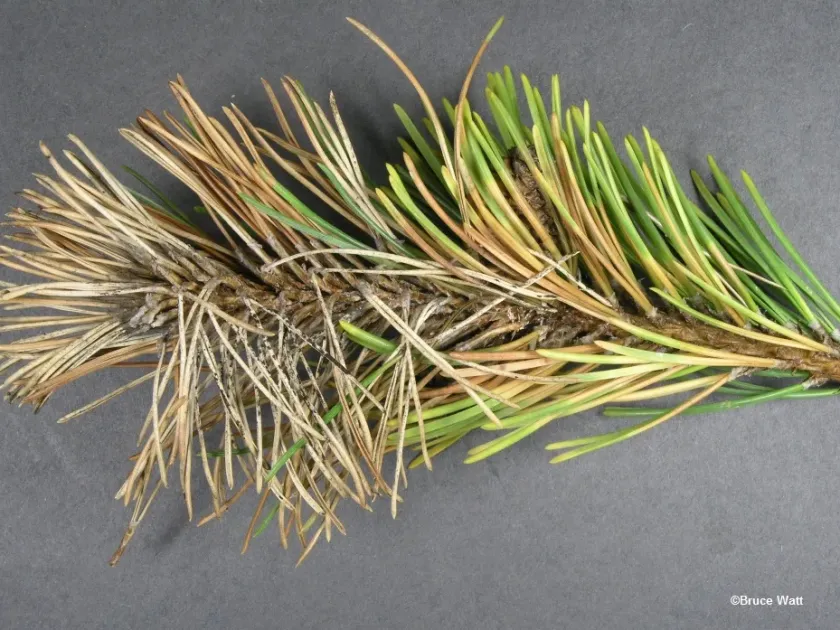
Foliage affected by the pathogen typically exhibits yellowing, chlorosis, and premature senescence, culminating in early leaf drop.
In fruits, the infection creates depressed, dark-colored pits that can eventually become covered in a mass of dark fungal spores.
Pathogen
The disease is caused by fungi of the genus Truncatella (most notably Truncatella hartigii), which belongs to the class of deuteromycetes.
This pathogen acts as a facultative parasite, frequently affecting ornamental shrubs, fruit trees, and various agricultural crops.
The fungus survives as dormant mycelium in infected plant tissue or as spores within pycnidia on dead plant debris.
Dissemination occurs primarily through conidia, which are splashed by rain or irrigation water onto healthy tissue, and dispersed by wind currents.
It colonizes plant tissues by producing enzymes that break down cell walls, leading to tissue necrosis and weakening of the host plant.
Conditions for development
High humidity and moisture are the most critical factors for the rapid spread and germination of Truncatella spores.
Temperatures ranging from 18°C to 25°C provide the optimal environment for the pathogen to thrive and colonize new tissues.
Poor ventilation within dense canopies or greenhouses creates stagnant air pockets that significantly increase the likelihood of infection.
Plants under physiological stress due to drought, nutritional deficiencies, or root damage are far more susceptible to colonization.
Wounding of the plant surface through pruning, insect damage, or environmental factors provides entry points for the fungal mycelium.
Why it matters
The primary impact of Truncatella is the systemic weakening of the host, which reduces the plant's overall growth potential and vigor.
Reduced photosynthetic capacity resulting from leaf loss causes stunted fruit development and decreased overall agricultural yield.
Severe infestations can lead to limb dieback or the death of entire plants, especially when the pathogen infects the vascular or cambial tissues.
Commercial producers face heavy losses due to the unsightly nature of infected leaves and fruit, rendering the product unmarketable.
The persistence of the pathogen in the soil or plant debris necessitates long-term management strategies to prevent recurring outbreaks.
Protection
Effective management begins with rigorous sanitation, including the removal and destruction of all symptomatic plant parts by burning or deep burial.
Implement proper spacing and pruning techniques to improve airflow and reduce humidity levels within the plant canopy.
Apply protective fungicides, such as copper-based sprays, before the onset of favorable weather conditions for the fungus.
Disinfect all pruning tools using appropriate solutions to ensure that the fungus is not mechanically transmitted between healthy plants.
- Maintenance of balanced soil fertility.
- Regular inspection for early signs of lesions.
- Avoidance of overhead irrigation to keep foliage dry.
- Strategic application of systemic fungicides.
Discussion
No discussions yet — be the first.