
Sulphur knight
Tricholoma sulphureum
Description
Symptoms
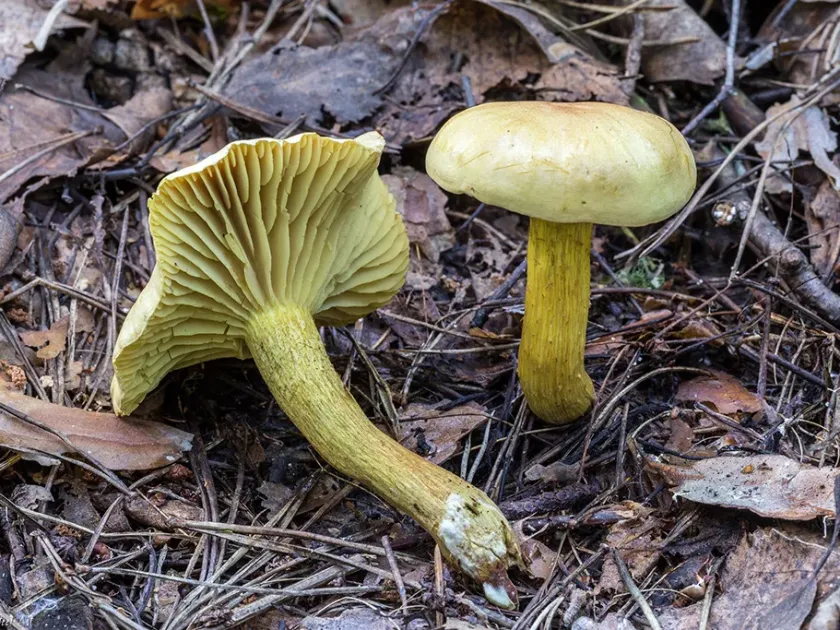
The primary symptom is the appearance of sulphur-yellow mushrooms emerging near the base of trees. These fruit bodies indicate an established presence of the mycelium.
Root systems infected by the fungus show whitish mycelial threads that invade the bark and cambium layers. This structural damage inhibits the transport of water and nutrients.
Plants affected by the fungus exhibit signs of stress, including chlorosis of the leaves and stunted growth. The overall vigor of the plant declines over several growing seasons.
The distinct chemical odor emitted from the soil in the root zone is a reliable diagnostic sign. It becomes significantly more intense after rainfall.
In advanced cases, trees suffer from crown dieback, starting from the tips of the branches. This leads to progressive defoliation and eventually tree death.
Pathogen
The pathogen is the fungus Tricholoma sulphureum, belonging to the Tricholomataceae family. While primarily a saprotroph, in agricultural and forestry contexts, it can act as a pathogen affecting weakened root systems.
Biologically, it is a basidiomycete fungus that develops mycelial mats in soil or on decaying organic matter. It is characterized by a rapid growth rate under favorable moisture conditions.
A specific feature of this fungus is its strong, pungent odor, often compared to acetylene or coal gas. This helps agronomists detect its presence in the soil even before the appearance of fruit bodies.
The life cycle involves the production of basidiospores during the autumn months. These spores are dispersed by wind, allowing the fungus to colonize new areas of a garden or nursery.
The fungus is highly resilient and can remain dormant in the soil for several years if the nutritional substrate remains available for its hyphae.
Conditions for development
Ideal conditions for growth include high humidity and temperatures between 15 and 20 degrees Celsius. The fungus thrives in shaded, moist environments typical of forests and dense orchards.
An abundance of woody debris, leaf litter, or poorly composted material provides the necessary nutrients for the proliferation of Tricholoma sulphureum.
Soil compaction and poor aeration promote the development of the fungal mat. These conditions hinder root respiration and make trees more susceptible to invasion.
The period of most active growth and spore dispersal is late summer and autumn. Damp weather during this window accelerates the colonization process.
Physical injury to the root system, such as from excavation or deep tillage, provides easy access for the fungus to establish itself within the plant tissue.
Why it matters
The main harm caused is the degradation of the root system, which disrupts the tree's physiological processes. This leads to lower productivity and structural instability of the plant.
The fungus competes with beneficial mycorrhizal fungi, essentially robbing the host tree of essential nutrients that these symbiotic organisms usually provide.
In nurseries, the presence of the pathogen leads to increased seedling mortality, causing significant financial losses for producers.
Metabolites released by the fungus can negatively alter soil microflora, making it difficult for the affected area to support healthy plant growth for subsequent seasons.
The aesthetic value of ornamental trees is severely compromised by the infection, often requiring the complete removal of specimens to prevent spread.
Protection
Effective management begins with strict sanitation, including the removal of all dead wood, stumps, and excessive organic debris from the site.
Soil aeration and the improvement of drainage systems are crucial to prevent the moist conditions that favor the fungus. Proper site preparation is essential.
The use of biological control agents, particularly Trichoderma-based products, helps to suppress the growth of Tricholoma sulphureum in the soil rhizosphere.
- Regular removal of fungal fruit bodies;
- Soil pH adjustment via liming;
- Maintaining tree vitality through proper nutrition;
- Disinfection of tools used in the garden.
In cases of severe infestation, chemical soil sterilization or solarization may be required to clear the area of the pathogen's mycelium and spores.
Discussion
No discussions yet — be the first.