
Pine mushroom
Tricholoma caligatum
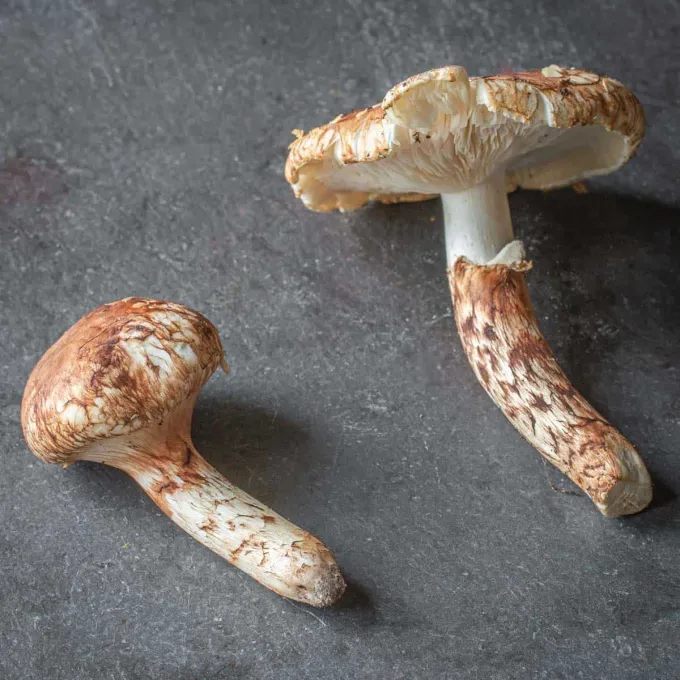
Description
Pathogen
Tricholoma caligatum, commonly known as the Pine mushroom or matsutake, is not a plant disease or an agricultural pathogen. It is a highly valued edible fungus species.
This fungus establishes a beneficial mycorrhizal relationship with the root systems of trees, primarily pine and spruce. It assists trees in nutrient uptake rather than attacking or damaging plant tissues.
The morphology of the fungus is characterized by a thick, scaly cap and a distinct ring on the stipe, which led to the specific epithet caligatum, meaning booted.
From an agricultural standpoint, it is strictly a forest-dwelling organism. It does not infect field crops, vegetables, or fruit-bearing trees, as it requires specific forest soil conditions.
Since it is a symbiotic partner, its ecological role is beneficial for forest health. It poses no threat to agricultural productivity or plant physiology in commercial growing environments.
Conditions for development
The development of Tricholoma caligatum depends on specific host trees and undisturbed forest floor conditions. The mycelium thrives in nutrient-poor, well-drained acidic soils.
Environmental factors such as high humidity and stable autumn temperatures are essential for the formation of the mushroom's fruiting bodies.
The species requires protection from extreme temperature fluctuations and excessive soil disturbance, making it very sensitive to land development and intensive farming.
Mycelial growth is slow and occurs deep within the soil profile, often spreading through the roots of host trees. This symbiotic association is crucial for the fungus's lifecycle.
The introduction of synthetic fertilizers, particularly nitrogen-based compounds, significantly inhibits the growth of these fungi, confirming their incompatibility with intensive agricultural practices.
Discussion
No discussions yet — be the first.